
Bird · GBIF taxon 2496990
Common Pauraque
Nyctidromus albicollisAlso known as Pauraque, White-throated Pauraque
Common Pauraques spend daylight hours resting seamlessly against dead leaf litter on woodland floors, relying on their intricate brown and grey plumage for camouflage. At dusk, they take flight along forest edges and rural roads, sallying upward to snag beetles and moths mid-air before landing back on the ground. Their distinctive, whistle-like call often echoes through warm Neotropical nights, signaling active nocturnal foraging.
NocturnalCamouflagedAerial Insectivore
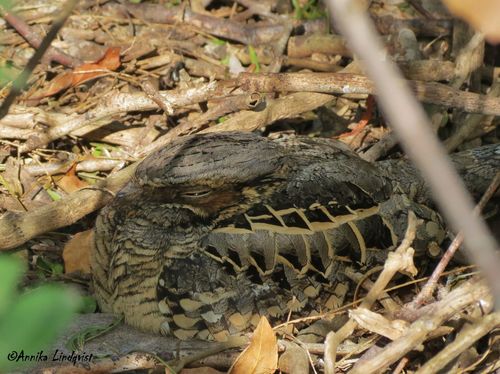
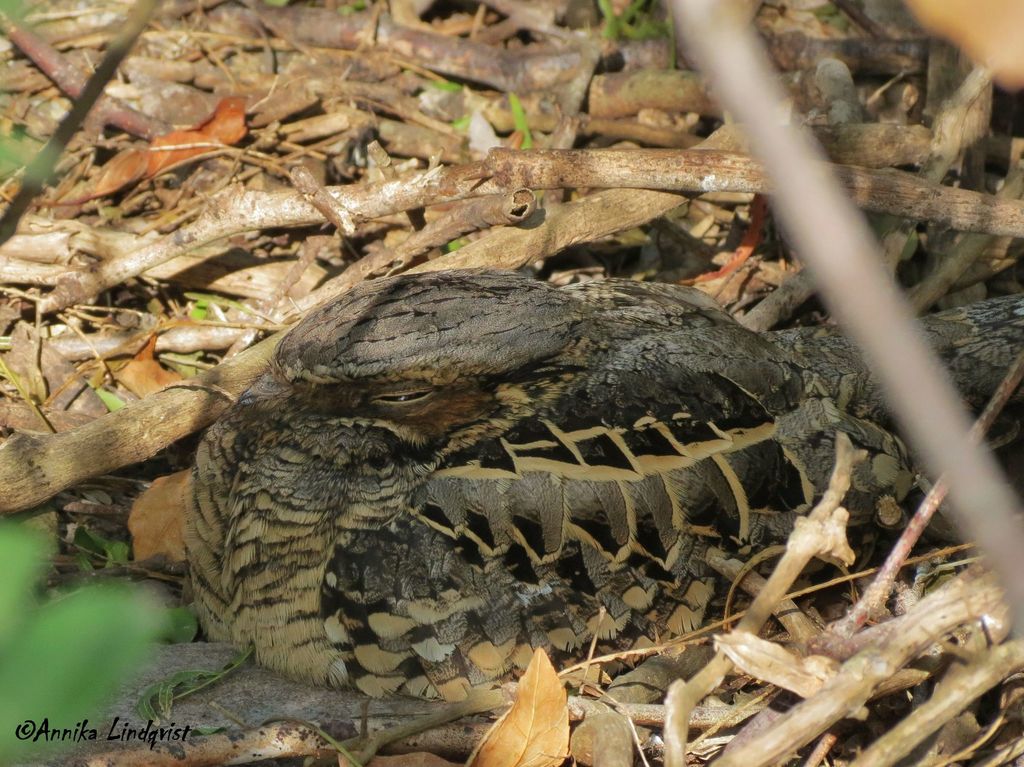
—observations
—countries
—peak records
Least ConcernConservation statusIUCN Red List categoriesLCNTVUENCREWEXLeast ConcernRed List categories, explained →
Diet & prey
- Moths
- Beetles
- Winged ants
Predators
- Snakes
- Owls
- Feral cats
ThreatsHabitat loss, vehicle strikes on rural roads, feral predators
HabitatsOpen woodlands, tropical scrublands, pastures, forest edges
Life span5–8 years
Classification
- FamilyCaprimulgidae
- SpeciesNyctidromus albicollis
Range data is not available yet.
Interaction riskLow
- Low
- Moderate
- High
- Very high
- Why interaction risk is low
- Safe to observe at a normal distance.
Responsible observation
- Night Spotting: Look for brilliant orange eyeshine along dirt roads and trails after dusk.
- Listening: Listen for their loud, whistling call echoing across clearings on warm nights.
- Respect Roosting Sites: Give ground-resting birds plenty of space to avoid flushing them.
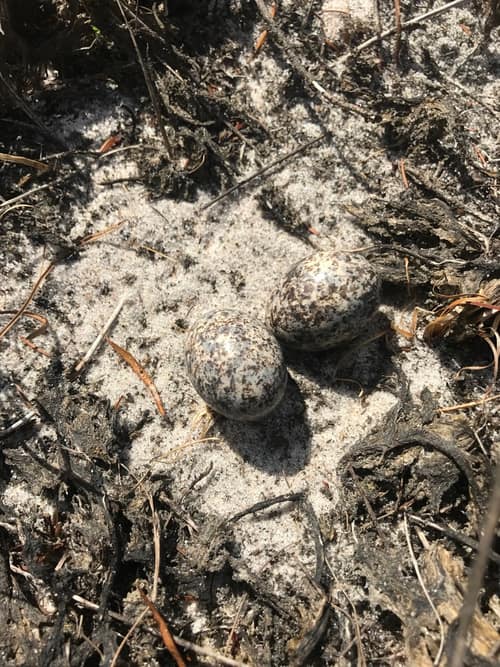
Close Relative (c) Pete Diamond, some rights reserved (CC BY), uploaded by Pete Diamond · cc-by Image unavailable
Family Member 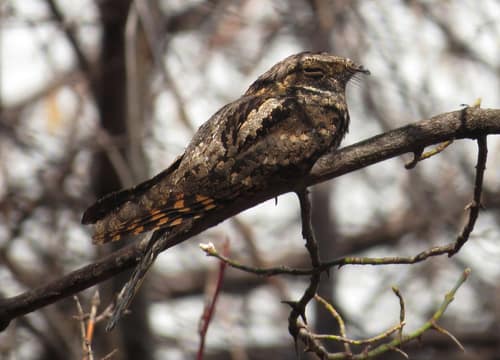
Family Member (c) Paul Prior, some rights reserved (CC BY), uploaded by Paul Prior · cc-by
Help improve the field guideSomething wrong?
Checking your Fauna account…Report a name, category, or profile issue for review.