
Bird
Nechisar Nightjar
Caprimulgus solalaAlso known as Nechisar Plains Nightjar
Known originally to science from only a single salvaged wing discovered in 1990 on the Nechisar Plains of southern Ethiopia, this enigmatic nightjar ranks among Africa's most elusive birds. Like its relatives, it relies on exquisitely mottled plumage to vanish into bare ground and scrub by day, hunting nocturnal flying insects by night on silent wings. Sporadic subsequent sightings suggest a precarious existence tied to open grassy bushland, where heavy livestock grazing and habitat degradation present persistent challenges.
NocturnalCamouflagedEndemic
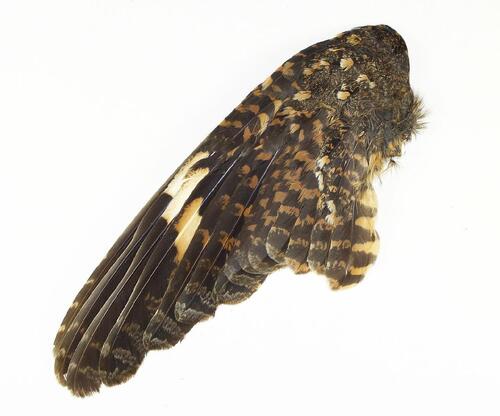
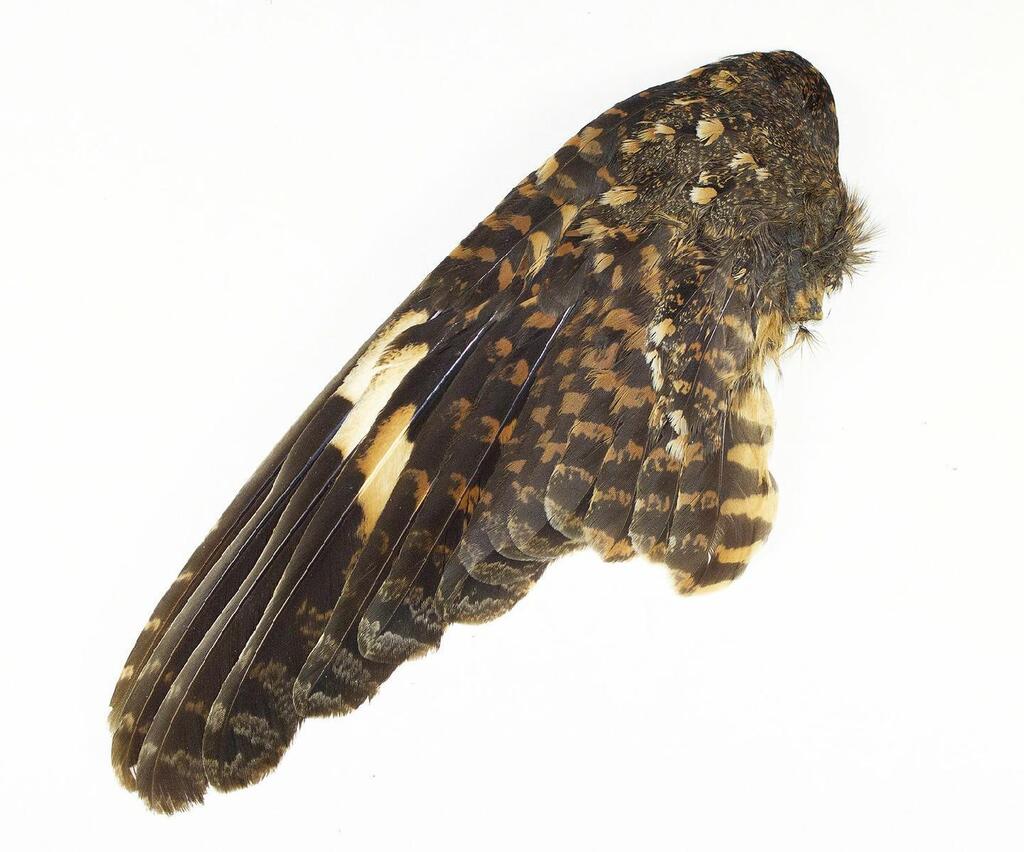
—observations
—countries
—peak records
VulnerableConservation statusIUCN Red List categoriesLCNTVUENCREWEXVulnerableRed List categories, explained →
Diet & preyMoths, Beetles, Winged Termites
Predators
- Barn Owl
- Black-backed Jackal
- Serval
ThreatsOvergrazing by domestic livestock, grassland degradation, and agricultural expansion
HabitatsSemi-arid savanna, open grassland, and low Acacia scrub
Life span5–8 years
Classification
- FamilyCaprimulgidae
- SpeciesCaprimulgus solala
Range data is not available yet.
Interaction riskLow
- Low
- Moderate
- High
- Very high
- Why interaction risk is low
- Harmless and safe to observe from a distance.
- What to notice
- Look for a medium-large nightjar with heavily mottled, reddish-buff wing covert patches and prominent white wing spots.
- Support conservation
- Maintain strict distance and refrain from playing call playbacks, as excessive disturbance can displace nesting birds.
Responsible observation
- Observation Timing: Scan open savanna tracks during dusk and dawn using a red-tinted flashlight to spot eye-shine.
- Minimize Disturbance: Avoid driving off-road in Nechisar National Park to prevent damaging fragile ground-nesting sites.
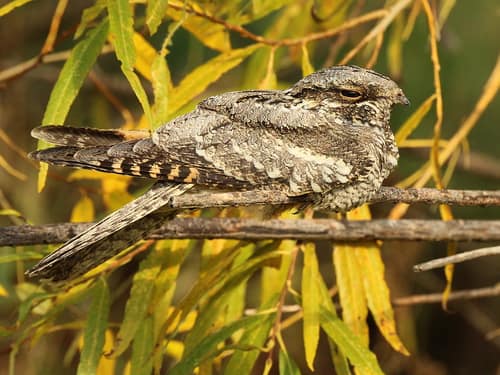
Same Genus (c) Andrew Bazdyrev, some rights reserved (CC BY), uploaded by Andrew Bazdyrev · cc-by
Close Relative (c) abotto, some rights reserved (CC BY) · cc-by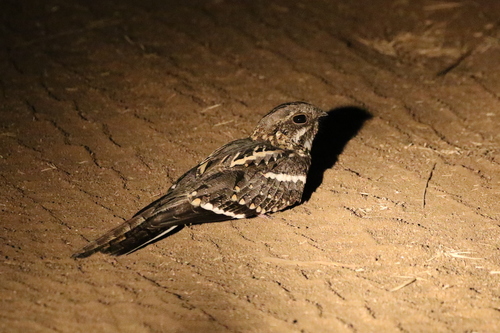
Close Relative no rights reserved · cc0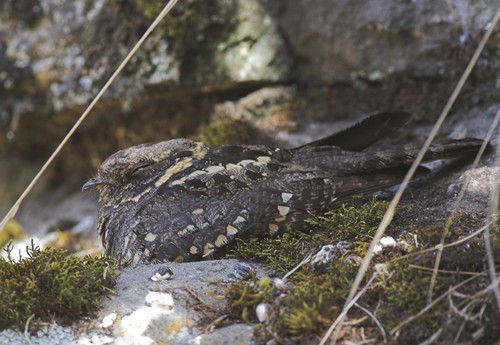
Close Relative (c) Allan Drewitt, some rights reserved (CC BY) · cc-by
Help improve the field guideSomething wrong?
Checking your Fauna account…Report a name, category, or profile issue for review.