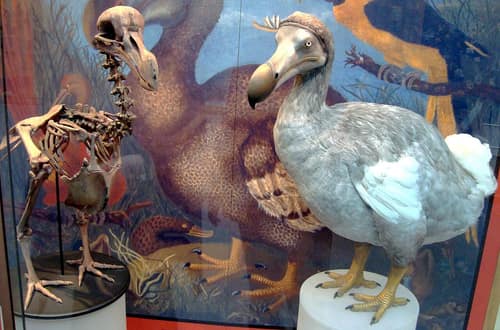
Dodo
Raphus cucullatusAlso known as Mauritius Dodo
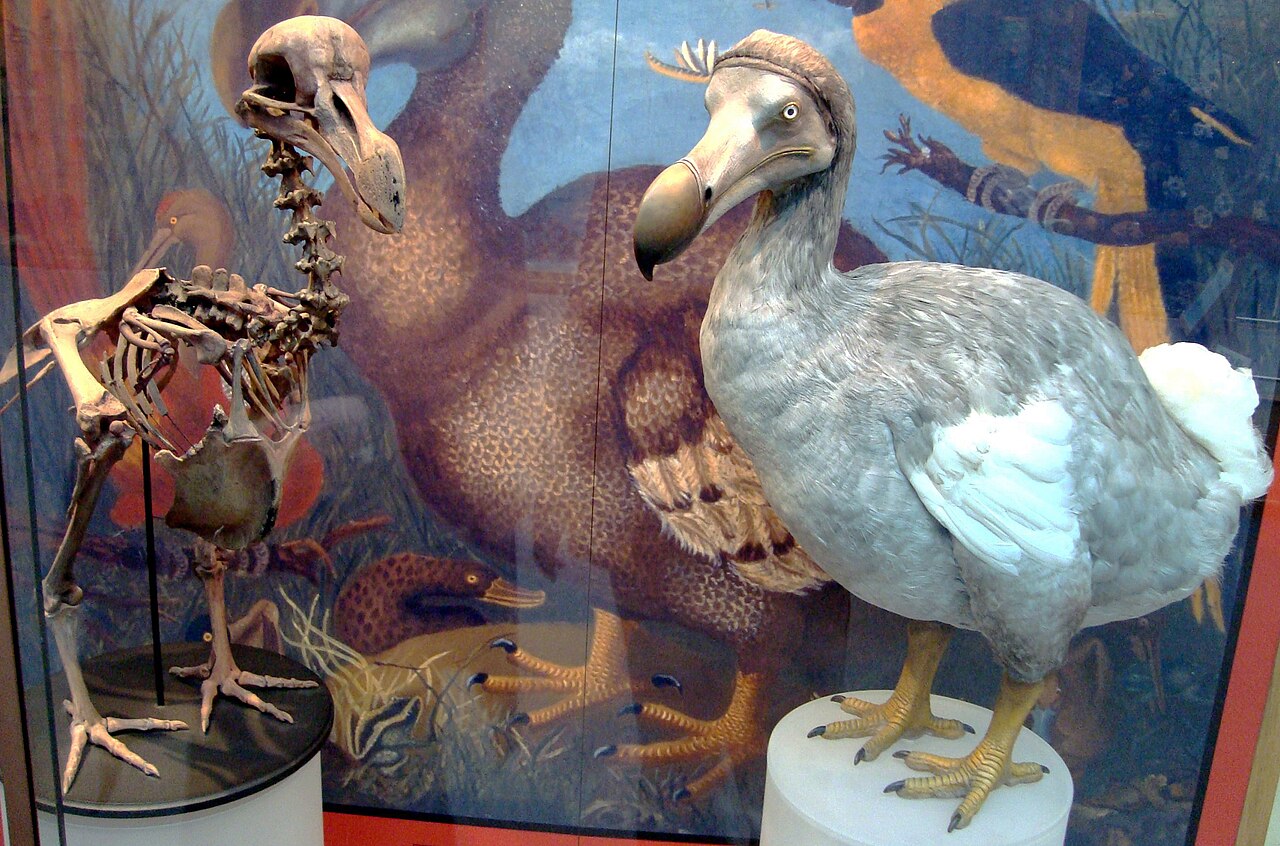
Dodos evolved in complete isolation on the island of Mauritius without native mammalian predators, leading to flightlessness, stout legs, and a fearless demeanor toward novel visitors. Breeding pairs nested directly on the ground in dense undergrowth, laying a single large egg that both parents likely defended using their heavy, hooked beaks. Histological evidence indicates they underwent dynamic seasonal molts and fat cycles, storing energy to survive harsh cyclonic winters before human arrival and introduced invasive species rapidly drove them to extinction in the seventeenth century.

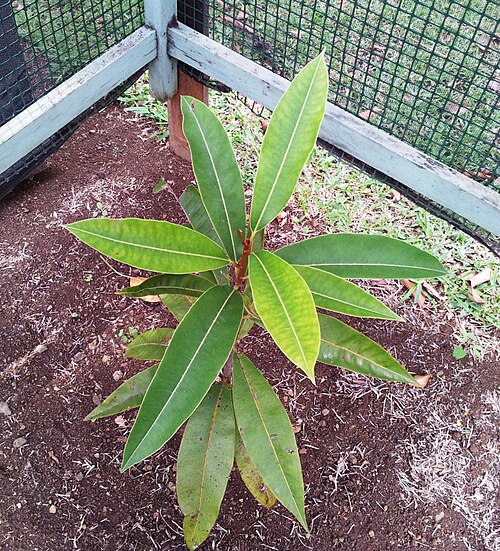
- Tambalacoque fruit
- Fallen forest fruit
- Hard-shelled palm nuts
- Human
- Feral pig
- Crab-eating macaque
- OrderColumbiformes
- FamilyColumbidae
- GenusRaphus
- SpeciesRaphus cucullatus
- Low
- Moderate
- High
- Very high
- Why interaction risk is low
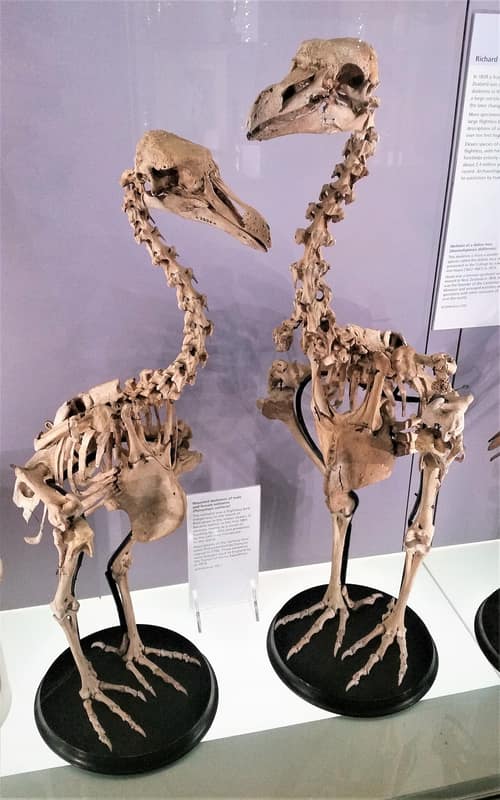
- Extinct species; known only from subfossil remains, museum specimens, and historical accounts.
- Museum Collections: Observe subfossil skeletons and preserved tissue fragments at major natural history institutions.
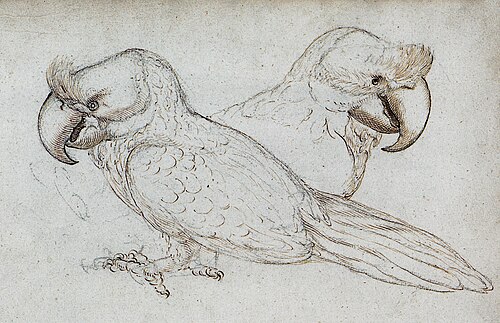
- Historical Archive: Review seventeenth-century Dutch mariner logbooks and sketches for firsthand behavioral accounts.
Found in Collections
Urban Dwellers
Dodo is found in this collection. Identify it in Fauna to fill this slot and continue your progress.
Report a name, category, or profile issue for review.