
Bird
Pied Imperial Pigeon
Ducula bicolorAlso known as Nutmeg Pigeon, Pied Imperial-Pigeon, White Nutmeg Pigeon
Pied imperial pigeons are striking coastal canopy frugivores that travel in energetic flocks across open ocean stretches between offshore islands and mainland feeding grounds. Their specialized wide gapes allow them to swallow large tropical fruits and nutmegs whole, playing an essential role as seed dispersers for insular rainforest ecosystems. At dusk, hundreds often gather in mangrove roosts, filling the humid canopy with low, resonant cooing calls.
Canopy DwellerFrugivoreCoastal
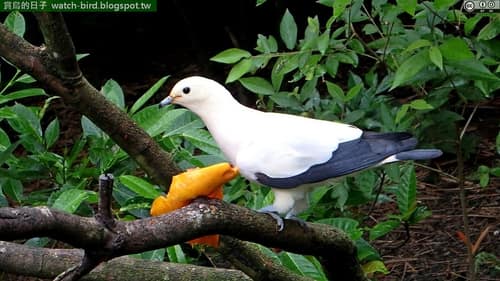
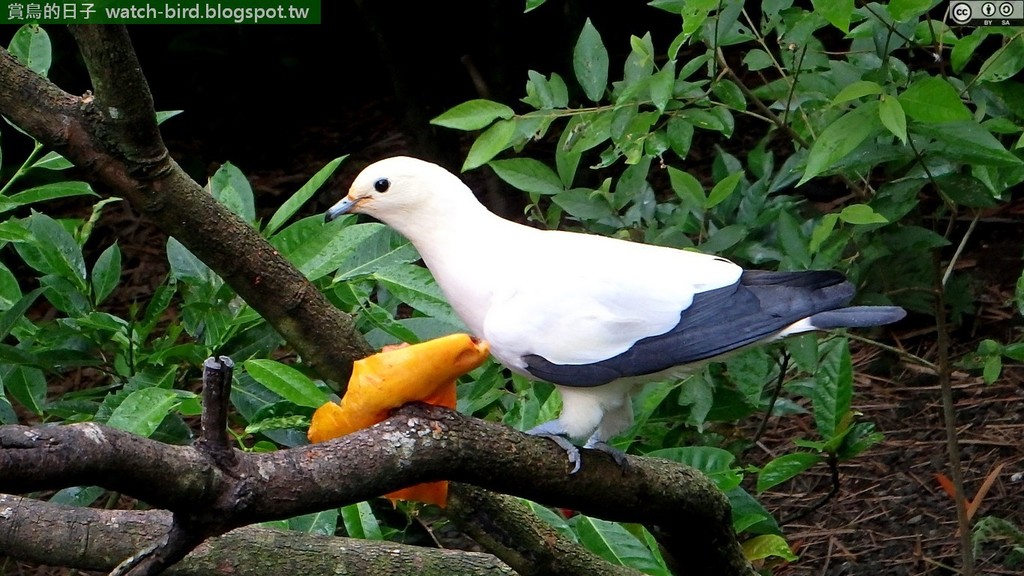
—observations
—countries
—peak records
Least ConcernConservation statusIUCN Red List categoriesLCNTVUENCREWEXLeast ConcernRed List categories, explained →
Diet & preyWild Figs, Wild Nutmegs, Palm Fruits
Predators
- White-bellied Sea-Eagle
- Brahminy Kite
- Reticulated Python
ThreatsHunting pressure in some island regions and coastal habitat clearance
HabitatsCoastal forests, mangroves, island woodlands, coconut plantations, and scrub
Life span10–15 years
Classification
- FamilyColumbidae
- SpeciesDucula bicolor
Range data is not available yet.
Interaction riskLow
- Low
- Moderate
- High
- Very high
- Why interaction risk is low
- Safe to observe at a normal distance.
Responsible observation
- Viewing Time: Watch coastal treetops and offshore flyways during early morning and late afternoon.
- Acoustic Cues: Listen for deep, booming, resonant 'coo-hoo' calls echoing from dense mangrove canopies.
- Field Etiquette: Use binoculars from boat margins or boardwalks to avoid flushing roosting flocks.
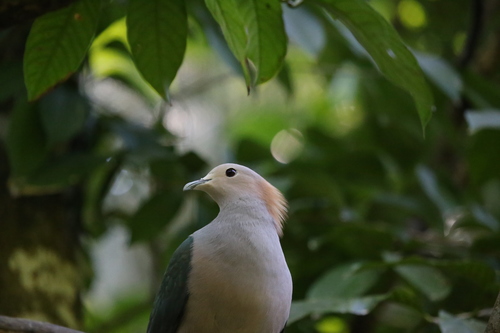
Same Genus (c) cuatrok77, some rights reserved (CC BY-SA) · cc-by-sa
Predator JJ Harrison / CC BY-SA 3.0 · cc-by-sa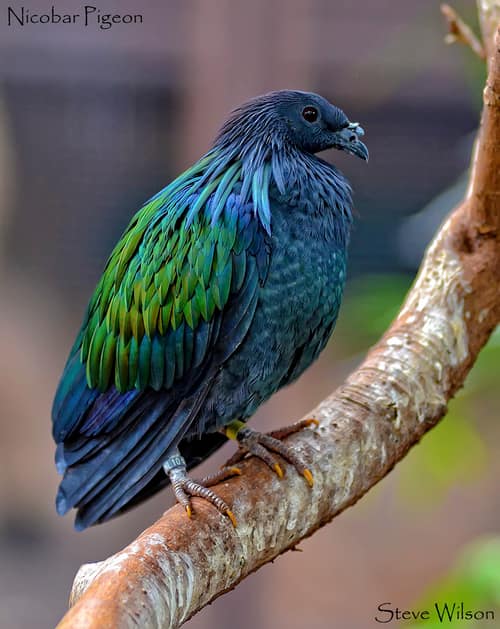
Neighbor "Nicobar Pigeon Portrait" by Steve Wilson - over 10 million views Thanks !! is licensed under CC BY 2.0. To view a copy of this license, visit https://creativecommons.org/licenses/by/2.0/. · cc-by Image unavailable
Close Relative
Help improve the field guideSomething wrong?
Checking your Fauna account…Report a name, category, or profile issue for review.