
Bird
Passenger Pigeon
Ectopistes migratoriusAlso known as Wild Pigeon, Passenger Dove, Wood Pigeon
Passenger pigeons once congregated in nomadic flocks numbering in the billions, darkening North American skies for days at a time as they traveled between communal roosts. Highly social breeders, millions packed into dense nesting colonies across eastern deciduous forests where branches regularly snapped under their collective weight. Relentless commercial overharvesting and extensive forest clearing in the nineteenth century triggered a catastrophic decline, culminating in the death of the last individual in 1914.
ColonialMigratory
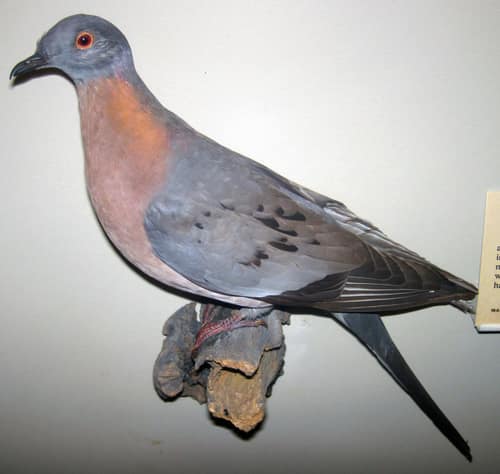
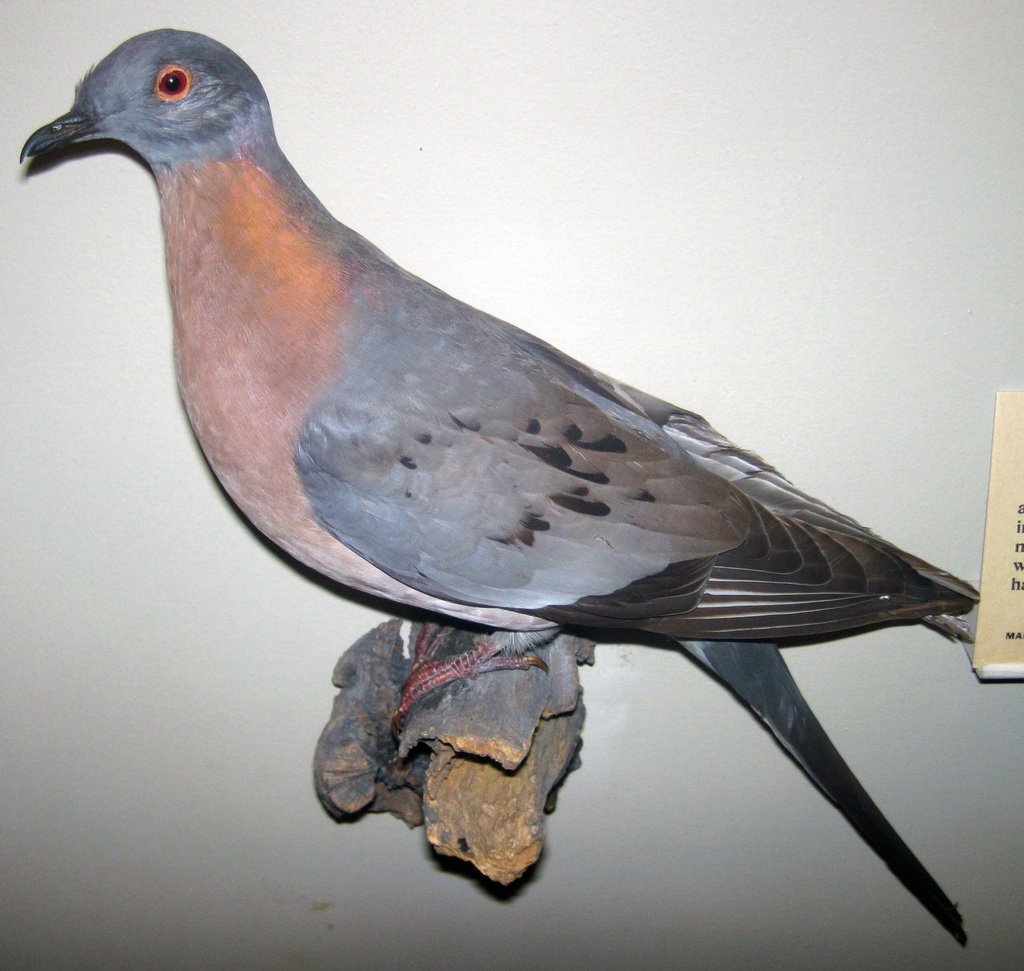
—observations
—countries
—peak records
ExtinctConservation statusIUCN Red List categoriesLCNTVUENCREWEXExtinctRed List categories, explained →
Diet & preyBeechnuts, Oak acorns, American chestnuts
Predators
- Humans
- Cooper's Hawk
- Great Horned Owl
ThreatsCommercial market hunting, habitat destruction, and social breeding collapse
HabitatsDeciduous and mixed forests of eastern North America
Life span10–15 years in the wild; up to 29 years in captivity
Classification
- FamilyColumbidae
- SpeciesEctopistes migratorius
Range data is not available yet.
Interaction riskLow
- Low
- Moderate
- High
- Very high
- Why interaction risk is low
- Extinct since 1914; preserved museum specimens pose no hazard to observers.
Responsible observation
- Museum Viewing: Examine taxidermy mounts under indirect lighting to see subtle iridescent neck feathers.
- Historical Archives: Consult nineteenth-century naturalists' field logs to appreciate their sheer flock scale.
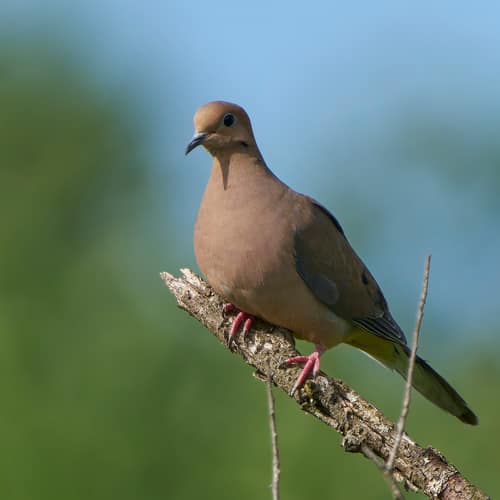
Look-alike (c) Paul Danese, some rights reserved (CC BY-SA) · cc-by-sa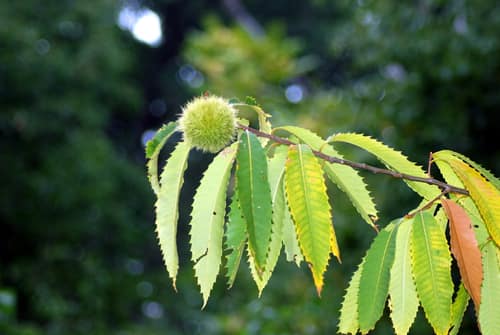
Food Source (c) Bob MacInnes, some rights reserved (CC BY) · cc-by
Food Source (c) Douglas Goldman, some rights reserved (CC BY-SA), uploaded by Douglas Goldman · cc-by-sa
Close Relative (c) Esteban Poveda, some rights reserved (CC BY), uploaded by Esteban Poveda · cc-by
Help improve the field guideSomething wrong?
Checking your Fauna account…Report a name, category, or profile issue for review.