
Bird · GBIF taxon 2495688
African Collared-Dove
Streptopelia roseogriseaAlso known as Rose-grey Dove, African Ring Dove
African collared-doves thrive across the dry Sahel belt and Arabian Peninsula by flocking to scarce water sources each morning. Their rhythmic three-note cooing echoes through acacia scrublands where pairs forage for fallen seeds on dusty, open ground. They are widely considered the wild ancestors of the domesticated Barbary dove, kept and bred by humans for centuries.
GranivoreArid RegionsVocal
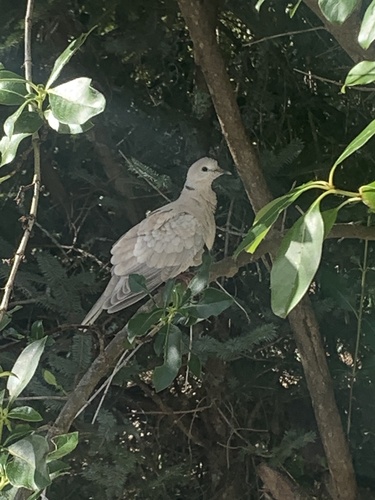
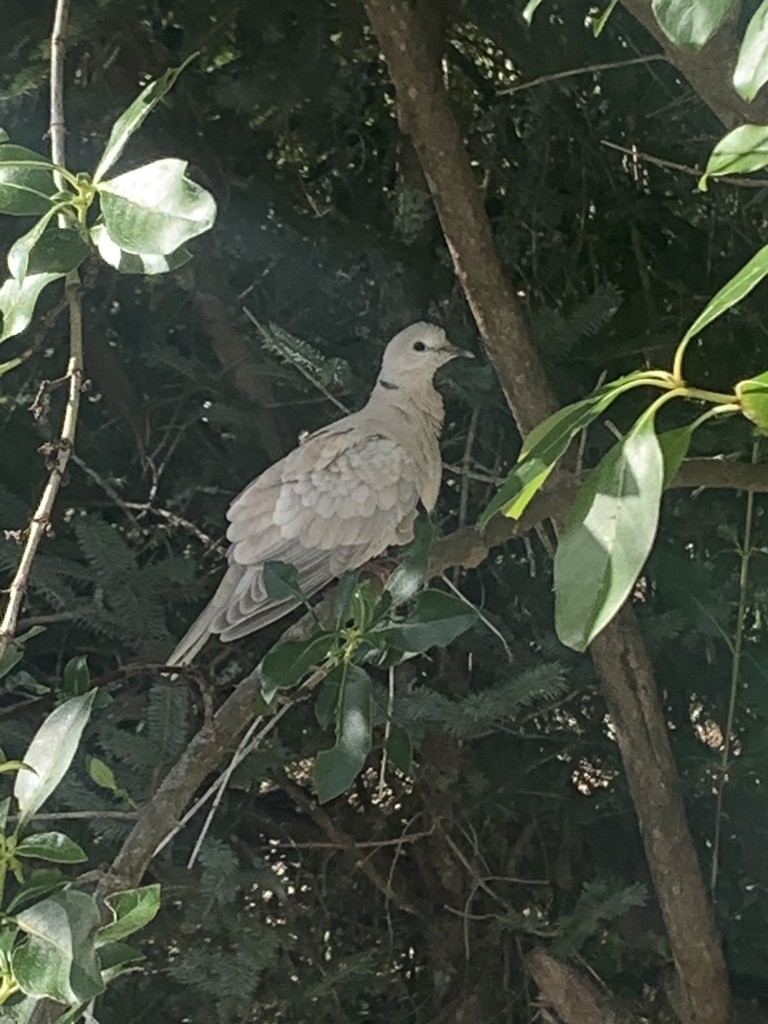
Licensed reference(c) Charlotte Sutton, some rights reserved (CC BY) · cc-by
—observations
—countries
—peak records
Least ConcernConservation statusIUCN Red List categoriesLCNTVUENCREWEXLeast ConcernRed List categories, explained →
Diet & prey
- Grass Seeds
- Grain Crops
- Acacia Seeds
Predators
- Falcons
- Hawks
- Feral Cats
ThreatsExtended droughts, habitat desertification, and localized hunting at water points
HabitatsArid scrubland, dry savanna, semi-desert, and agricultural fields near water sources
Life span10–14 years
Classification
- FamilyColumbidae
- SpeciesStreptopelia roseogrisea
Range data is not available yet.
Interaction riskLow
- Low
- Moderate
- High
- Very high
- Why interaction risk is low
- Safe to observe at a normal distance.
Responsible observation
- Listening for Calls: Listen for its persistent three-note soft cooing around oasis vegetation early in the day.
- Observing at Water: Position yourself near desert water holes early in the morning when large flocks arrive to drink.
- Ground Spotting: Scan open gravel patches or dry farm fields where pairs gather to glean spilled seeds.
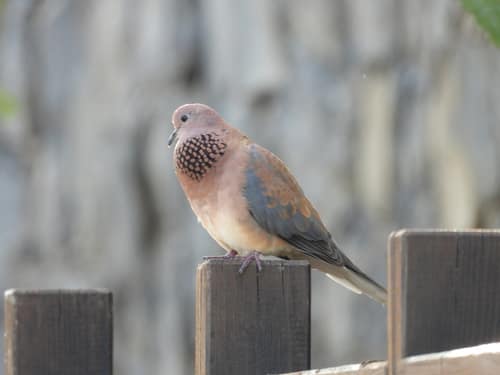
Competitor (c) Marcelo Cabrera, some rights reserved (CC BY), uploaded by Marcelo Cabrera · cc-by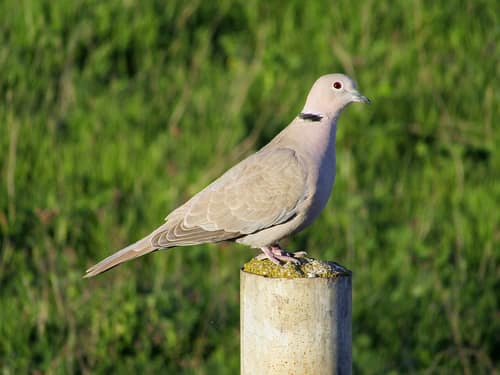
Close Relative stevem4560 / CC BY 4.0 · cc-by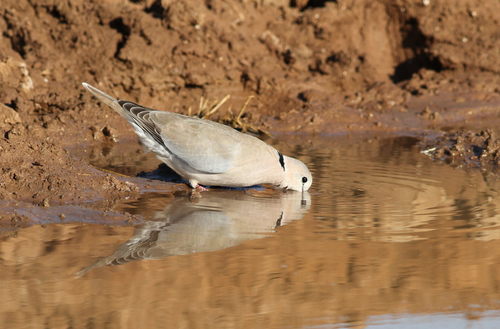
Close Relative (c) Derek Keats, some rights reserved (CC BY) · cc-by
Help improve the field guideSomething wrong?
Checking your Fauna account…Report a name, category, or profile issue for review.