
Bird · GBIF taxon 2495471
Stock Dove
Columba oenasAlso known as Stock Pigeon
Stock doves thrive in mature woodlands and farmland, filling the air during spring with a deep, rhythmic cooing sound. Unlike many related pigeons, they nest inside tree hollows, old woodpecker holes, or rabbit burrows, laying pairs of smooth white eggs. They forage on open ground for fallen seeds and acorns, often joining mixed flocks with wood pigeons after the harvest.
Hole NesterGranivorePalearctic
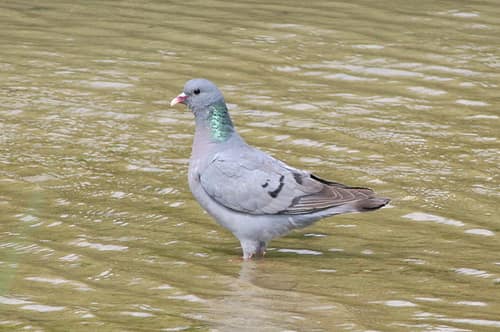
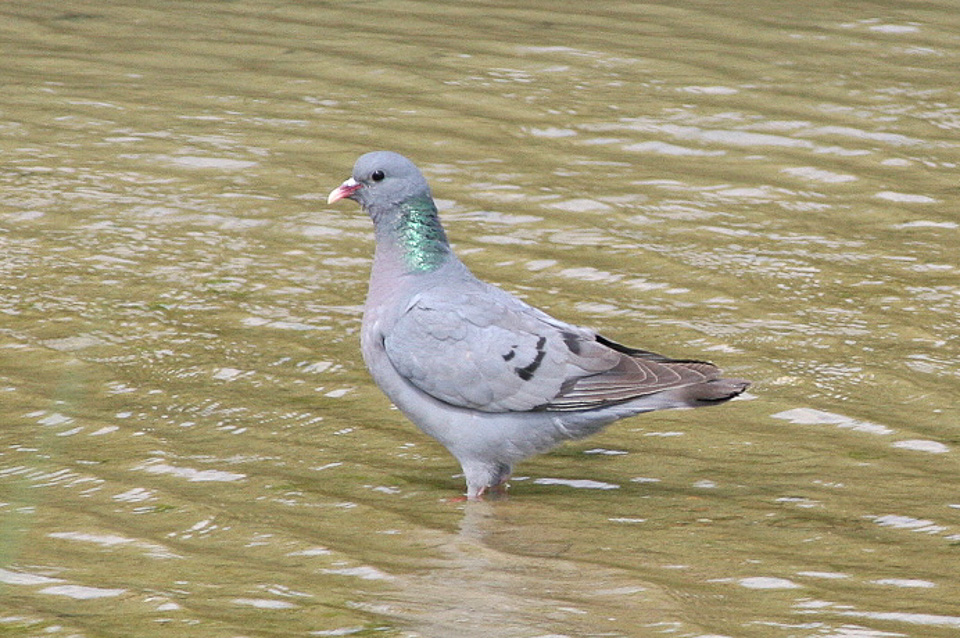
—observations
—countries
—peak records
Least ConcernConservation statusIUCN Red List categoriesLCNTVUENCREWEXLeast ConcernRed List categories, explained →
Diet & prey
- Cereal Grains
- Weed Seeds
- Acorns
Predators
- Peregrine Falcon
- Eurasian Sparrowhawk
- Northern Goshawk
ThreatsLoss of cavity trees, modern forestry practices, pesticide use
HabitatsDeciduous woodland, farmland edges, mature parks, river valleys
Life span3–5 years in wild
Size / weightNot available
Classification
- FamilyColumbidae
- SpeciesColumba oenas
Range data is not available yet.
Interaction riskLow
- Low
- Moderate
- High
- Very high
- Why interaction risk is low
- Safe to observe at a normal distance.
Responsible observation
- Identification: Look for the iridescent green neck patch, dark eye, and lack of white wing bars.
- Observation: Listen for the deep, repeated two-syllable call echoing through old woodlands in early spring.
- Field Signs: Scan open stubble fields in autumn where small flocks gather alongside wood pigeons.
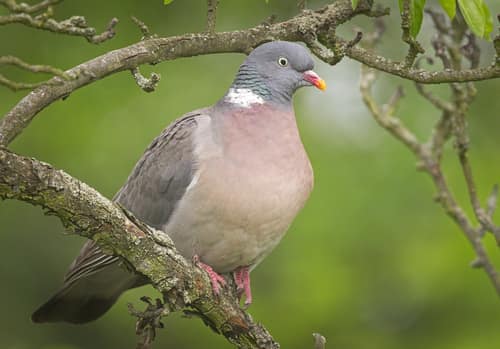
Close Relative (c) hedera.baltica, some rights reserved (CC BY-SA) · cc-by-sa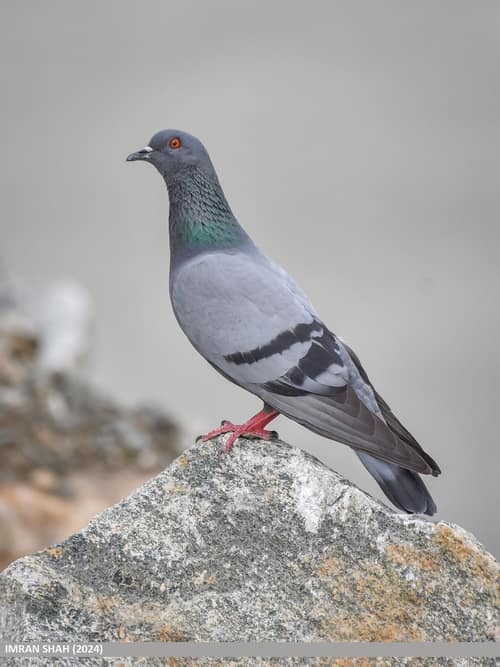
Genus Relative (c) Birds of Gilgit-Baltistan, some rights reserved (CC BY-SA) · cc-by-sa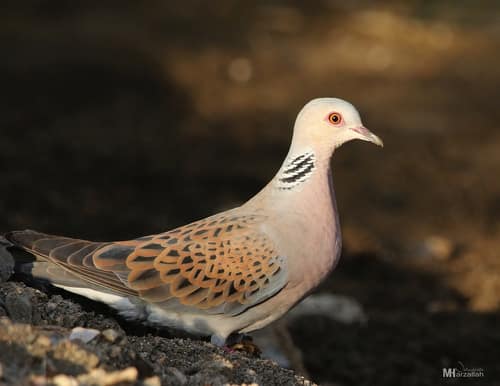
Family Member (c) Mourad Harzallah, some rights reserved (CC BY), uploaded by Mourad Harzallah · cc-by
Help improve the field guideSomething wrong?
Checking your Fauna account…Report a name, category, or profile issue for review.