
Bird · GBIF taxon 2495165
Greater Rhea
Rhea americanaAlso known as Common Rhea, American Rhea, Grey Rhea, Ñandú
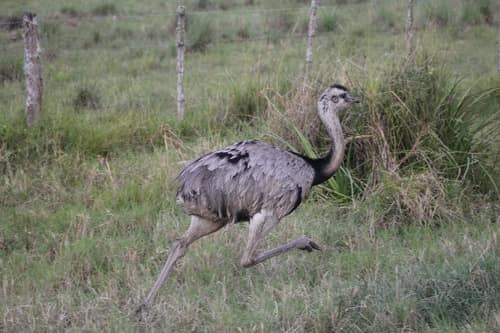
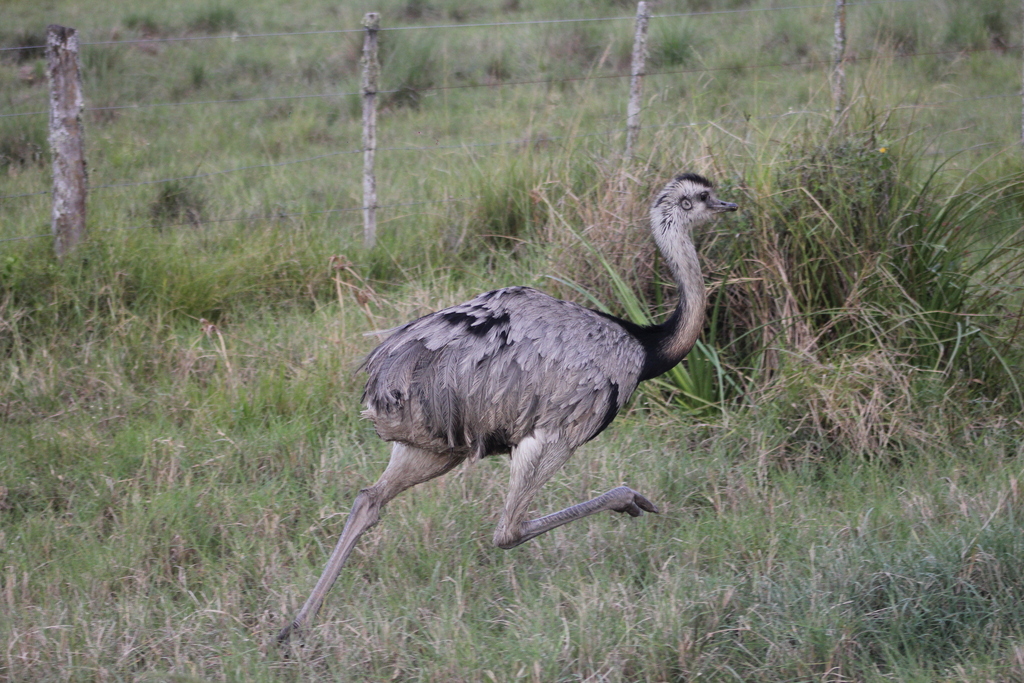
Greater rheas stride across South American grasslands in loose flocks, using their large wings like rudders to maneuver at top speeds during rapid escapes. Males form harems during the breeding season, then take sole responsibility for building nests, incubating dozens of eggs from multiple females, and aggressively defending the hatched chicks. Though flightless, their swift running abilities and keen eyesight allow them to thrive alongside native megafauna and livestock.
FlightlessGrasslandSocial
 1 / 7
1 / 7—observations
—countries
—peak records
Near ThreatenedConservation statusIUCN Red List categoriesLCNTVUENCREWEXNear ThreatenedRed List categories, explained →
Diet & prey
- Grass Leaves and Seeds
- Insects
- Small Reptiles
Predators
- Puma
- Jaguar
- Maned Wolf
ThreatsHabitat loss, egg collection, hunting for meat and skin, agricultural expansion
HabitatsGrasslands, savannas, shrublands, grassy wetlands, agricultural fields
Life span10–15 years in the wild
Size / weightNot available
Classification
- OrderRheiformes
- FamilyRheidae
- GenusRhea
- SpeciesRhea americana
Range data is not available yet.
Interaction riskLow
- Low
- Moderate
- High
- Very high
- Why interaction risk is low
- Males guarding nests or chicks may kick forcefully if approached; observe from a safe distance.
- Why it is dangerous
- Brooding males possess sharp claws and powerful legs capable of delivering severe kicking strikes when defending nests.
- How to recognize a risky encounter
- Identify males by their dark chest patches and aggressive posture around large ground nests.
- What to do
- Back away slowly if a rhea lowers its head or spreads its wings in a threat display.
- What to notice
- Look for a massive, grey-brown flightless bird with long legs, a slender neck, and loose shaggy plumage.
- Support conservation
- Observe from a distance using optics and refrain from approaching active communal nests or brooding males.
Responsible observation
- Give Breeding Males Space: Males protecting eggs or chicks can become territorial and charge intruders.
- Scan Open Grasslands: Look for their long necks standing above tall grasses in savannas and pastures.
- Keep Distance from Flocks: Observe foraging groups through binoculars to avoid triggering a herd stampede.
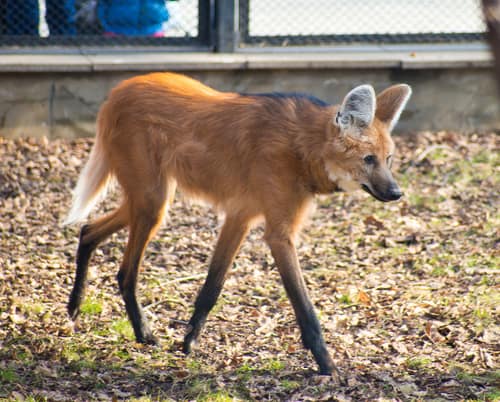
Co-habitat Species (c) Rigelus, some rights reserved (CC BY-SA) · cc-by-sa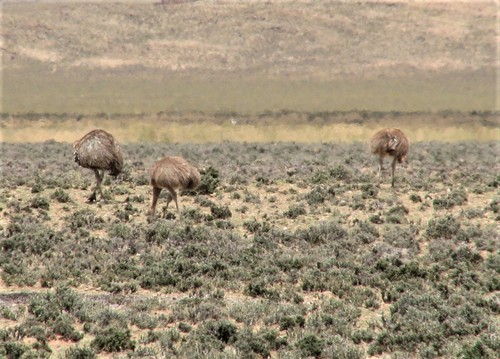
Close Relative (c) Peter L Achuff, some rights reserved (CC BY), uploaded by Peter L Achuff · cc-by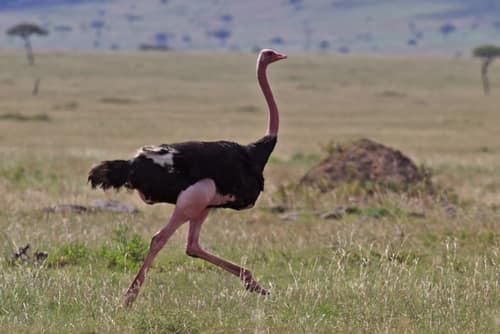
Distant Relative (c) Jan Ebr & Ivana Ebrová, some rights reserved (CC BY), uploaded by Jan Ebr & Ivana Ebrová · cc-by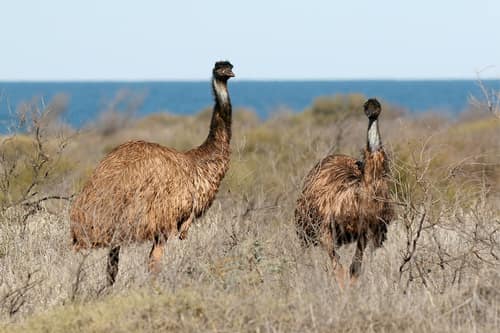
Distant Relative (c) patrickkavanagh, some rights reserved (CC BY) · cc-by
Help improve the field guideSomething wrong?
Checking your Fauna account…Report a name, category, or profile issue for review.