
Bird
Southern Brown Kiwi
Apteryx australisAlso known as Tokoeka, Common Kiwi, South Island Brown Kiwi
Southern brown kiwis probe deep forest litter and subalpine grasslands at night using sensitive nostrils located uniquely at the tip of their long bills. Unlike most birds, they rely on exceptional olfactory and auditory senses rather than vision, navigating dense undergrowth in stable, monogamous pairs. Females lay eggs that are enormous relative to their body size, requiring prolonged parental incubation in subterranean burrows.
NocturnalFlightlessGround-dwelling
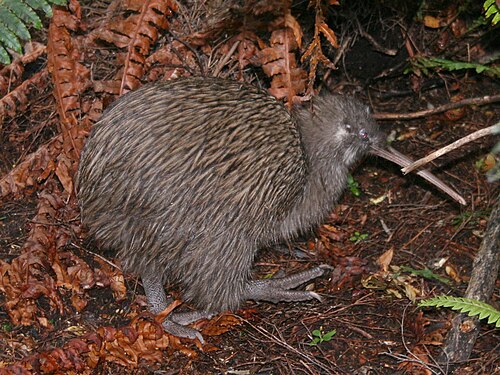
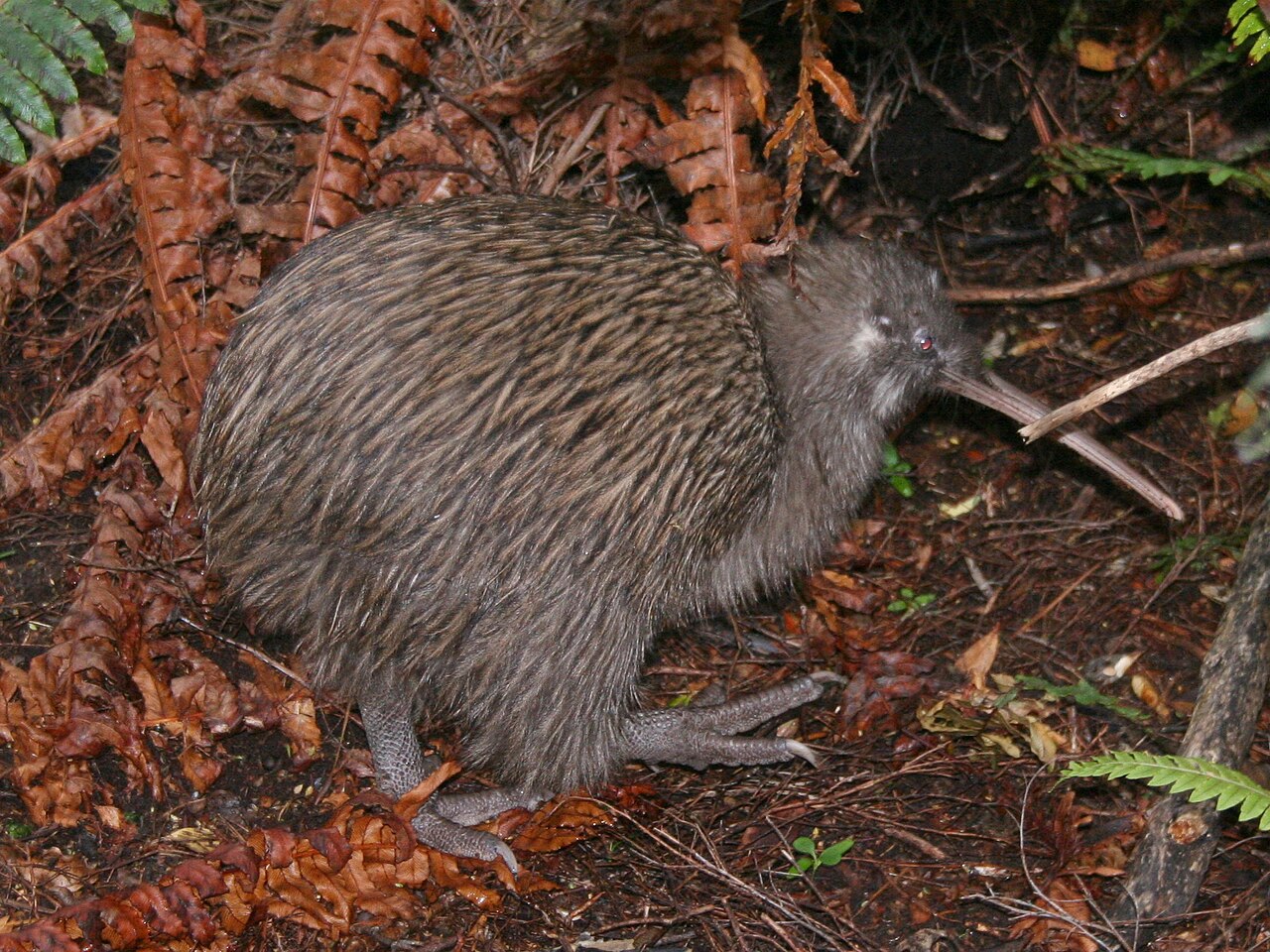
—observations
—countries
—peak records
VulnerableConservation statusIUCN Red List categoriesLCNTVUENCREWEXVulnerableRed List categories, explained →
Diet & preyEarthworm, Beetle larva, Cicada nymph
Predators
- Stoat
- Domestic dog
- Ferret
ThreatsPredation by invasive stoats, ferrets, and dogs, along with habitat degradation
HabitatsTemperate rainforests, coastal scrub, subalpine tussock grasslands
Life span30–50 years
Classification
- FamilyApterygidae
- SpeciesApteryx australis
Range data is not available yet.
Interaction riskLow
- Low
- Moderate
- High
- Very high
- Why interaction risk is low
- Capable of delivering powerful kicks with sharp claws if cornered; observe quietly from a distance.
- Why it is dangerous
- Possesses powerful legs equipped with sharp digging claws that can slash skin deeply when cornered or restrained.
- How to recognize a risky encounter
- Stout, wingless body with coarse grey-brown plumage, strong pale legs, and a long slender bill.
- What to do
- Never corner, chase, or attempt to grab a wild kiwi; maintain quiet space on marked trails.
- What to notice
- Recognized by loud, piercing whistles echoing through native podocarp forests and tussock valleys at dusk.
- Support conservation
- Remain quietly on established tracks during nocturnal searches and never disturb nesting burrow entrances.
Responsible observation
- Red Light Only: Use dim red torches on night walks to prevent disorienting their sensitive eyes.
- Keep Dogs Leashed: Strictly restrain domestic dogs near known territories, as even playful bites are fatal.
- Listen for Duets: Identify territories after dusk by listening for high whistling calls and raspy replies.

Predator (c) E. A., some rights reserved (CC BY), uploaded by E. A. · cc-by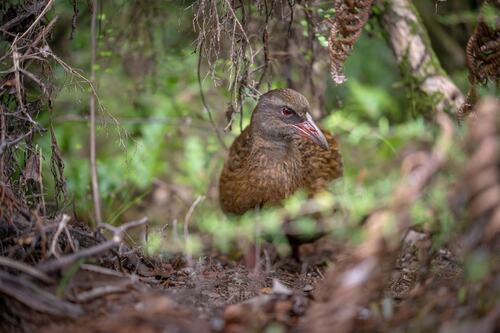
Competitor (c) Saryu Mae 前 朝琉, some rights reserved (CC BY), uploaded by Saryu Mae 前 朝琉 · cc-by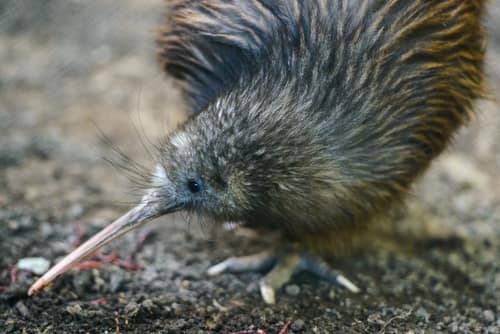
Close Relative (c) Tomáš Divilek, some rights reserved (CC BY-SA) · cc-by-sa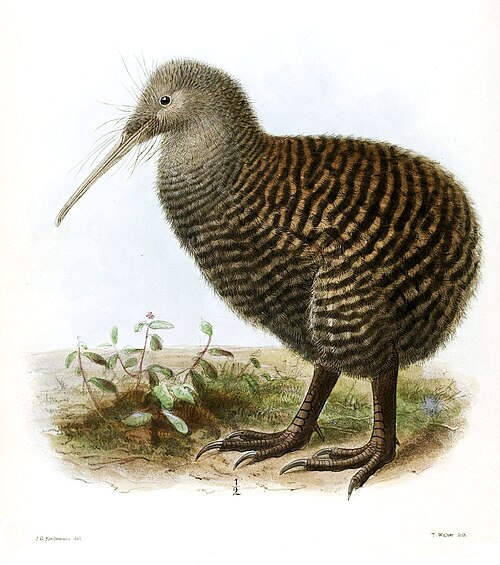
Close Relative John Gerrard Keulemans / Public domain · cc0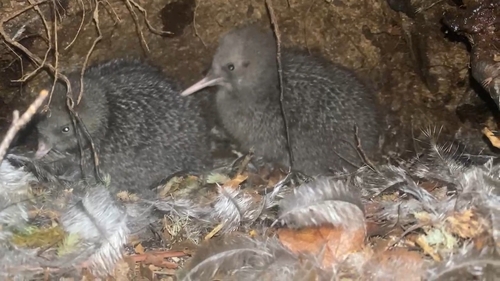
Close Relative no rights reserved, uploaded by Henry Hart · cc0
Help improve the field guideSomething wrong?
Checking your Fauna account…Report a name, category, or profile issue for review.