
Bird · GBIF taxon 2495134
Emu
Dromaius novaehollandiaeAlso known as Common Emu
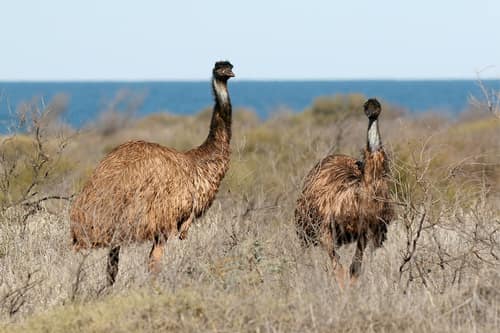
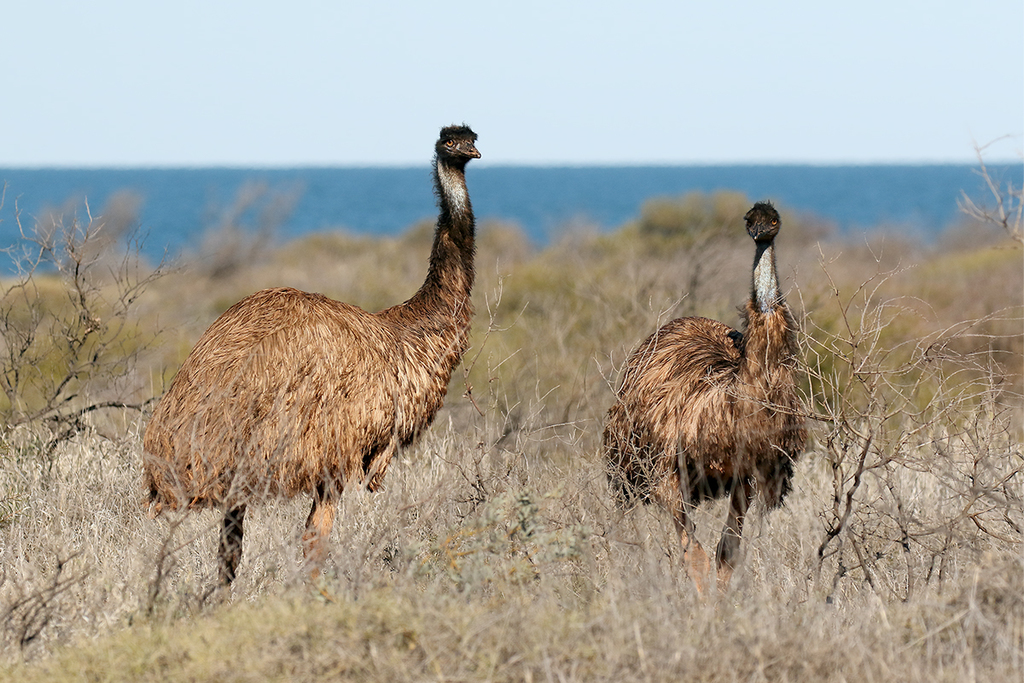
Emus stride across the open habitats of Australia on powerful, long legs capable of reaching speeds up to fifty kilometers per hour. Male emus take sole responsibility for incubating large, deep green eggs over eight weeks without eating or drinking, then brood the striped chicks for up to eighteen months. Highly inquisitive by nature, these massive ratites often approach travelers in the bush, using low booming calls produced by an inflatable neck sac to communicate.
FlightlessLarge BirdNomadic
—observations
—countries
—peak records
Least ConcernConservation statusIUCN Red List categoriesLCNTVUENCREWEXLeast ConcernRed List categories, explained →
Diet & prey
- Seeds
- Insects
- Shoots
Predators
- Dingo
- Wedge-tailed Eagle
- Feral Dog
ThreatsHabitat fragmentation, collisions with vehicles, feral predators
HabitatsSavannas, woodlands, grasslands, scrublands
Life span10–20 years in the wild
Size / weightNot available
Classification
- OrderCasuariiformes
- FamilyDromaiidae
- GenusDromaius
- SpeciesDromaius novaehollandiae
Range data is not available yet.
Interaction riskHigh
- Low
- Moderate
- High
- Very high
- Why interaction risk is high
- Powerful legs can deliver severe defensive kicks if cornered; maintain a respectful distance.
- Why it is dangerous
- Strong, long legs equipped with sharp claws can inflict severe blunt force trauma or deep lacerations during defensive kicks.
- How to recognize a risky encounter
- Stands up to two meters tall with shaggy gray-brown plumage, long unfeathered necks, and distinct three-toed feet.
- What to do
- Observe from a safe distance, avoid making sudden movements, and never attempt to corner or feed wild individuals.
Responsible observation
- Observe from Distance: Avoid approaching closely, as birds may kick defensively if they feel trapped.
- Keep Food Stored: Keep campsites tidy because curious individuals will investigate and consume unattended human food.
- Watch the Road: Drive cautiously in rural Australia during dawn and dusk when birds frequently cross highways.
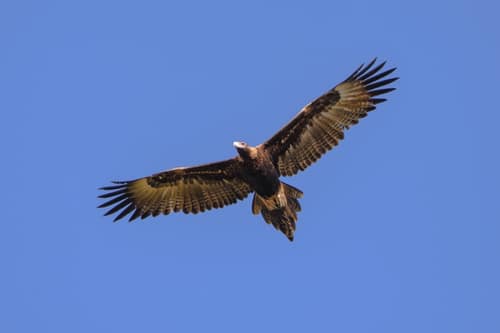
Predator (c) Mark Kriedemann, some rights reserved (CC BY), uploaded by Mark Kriedemann · cc-by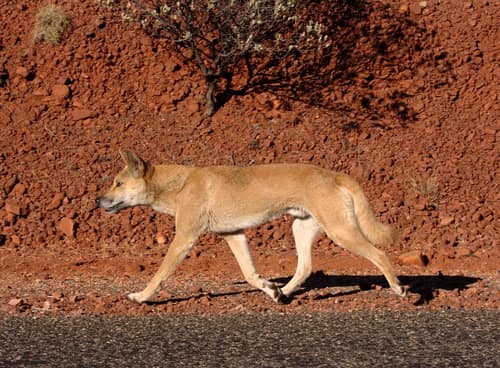
Predator Jarrod Amoore from Sydney, Australia / CC BY 2.0 · cc-by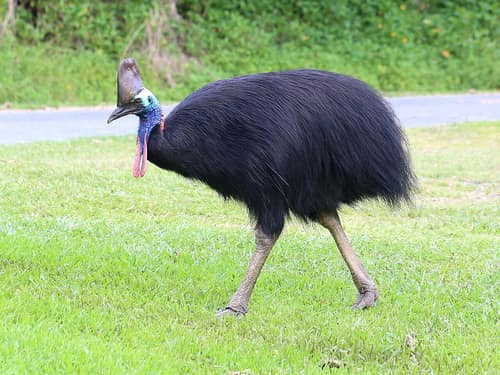
Close Relative Summerdrought / CC BY-SA 4.0 · cc-by-sa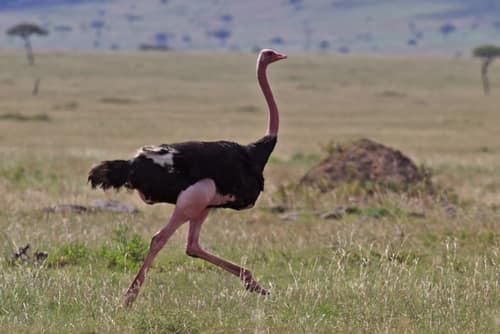
Distant Relative (c) Jan Ebr & Ivana Ebrová, some rights reserved (CC BY), uploaded by Jan Ebr & Ivana Ebrová · cc-by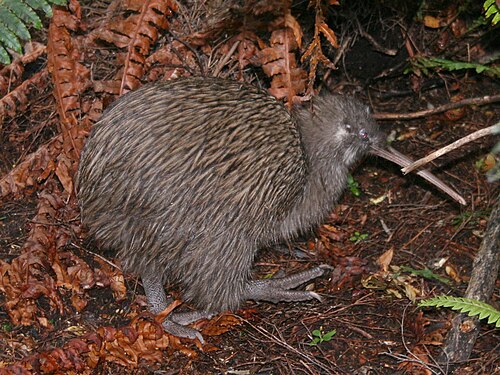
Distant Relative Glen Fergus / CC BY-SA 2.5 · cc-by-sa
Help improve the field guideSomething wrong?
Checking your Fauna account…Report a name, category, or profile issue for review.