
Bird
Brambling
Fringilla montifringillaAlso known as Cock O' The North, Mountain Finch
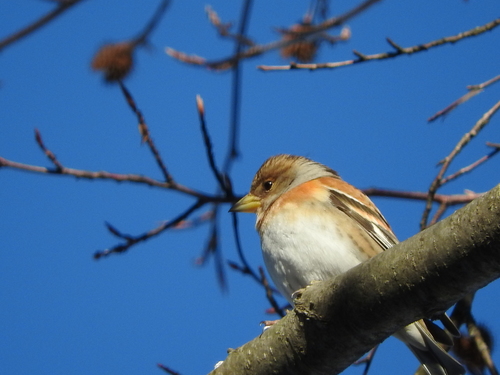
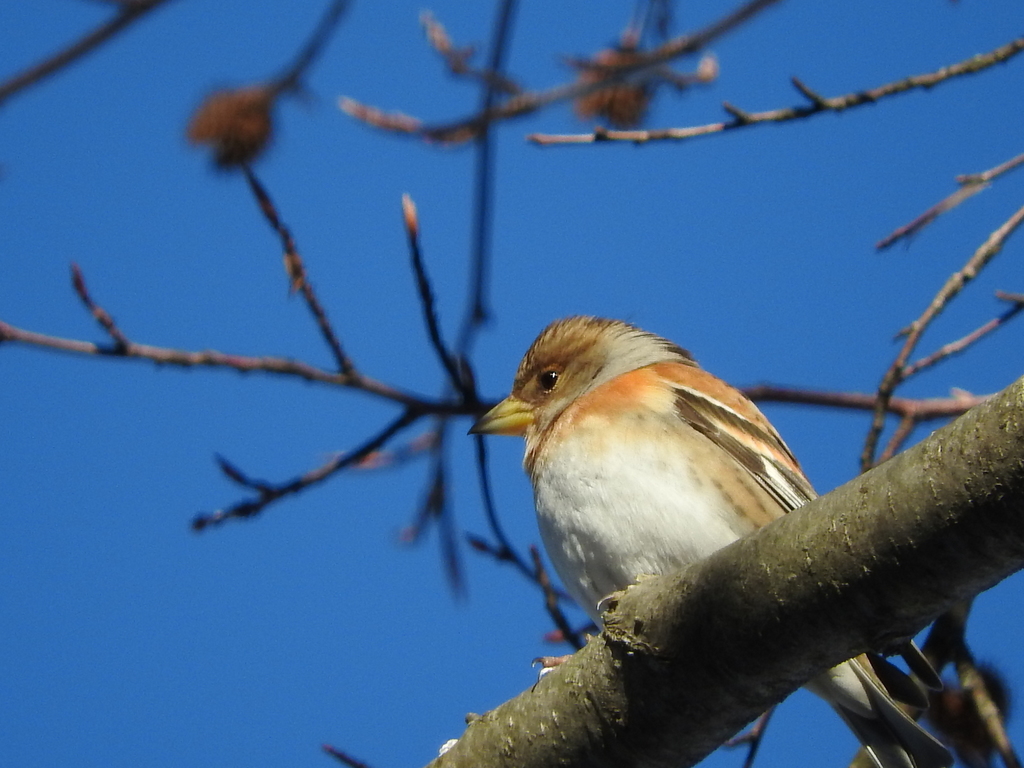
Bramblings are striking boreal finches recognizable by their warm orange shoulders, dark mottled heads, and prominent white rumps visible in flight. In winter, millions gather across temperate beech forests, forming massive swirling flocks that roost together in dense woods. During the summer breeding season, males adopt a glossy coal-black head and sing a distinctive buzzing song from northern birch treetops.
MigratorySongbirdFlocking
—observations
—countries
—peak records
Least ConcernConservation statusIUCN Red List categoriesLCNTVUENCREWEXLeast ConcernRed List categories, explained →
Diet & preyBeech seeds, Insects, Weed seeds
Predators
- Eurasian Sparrowhawk
- Domestic Cat
- Merlin
ThreatsSevere winter weather and deforestation of breeding grounds
HabitatsBoreal birch and coniferous forests, agricultural fields, woodland edge
Life span3–5 years
Classification
- FamilyFringillidae
- SpeciesFringilla montifringilla
Range data is not available yet.
Interaction riskLow
- Low
- Moderate
- High
- Very high
- Why interaction risk is low
- Safe to observe at a normal distance.
Responsible observation
- Look for white rumps: Watch for bright white rumps flashing as flocks lift off from woodland floors.
- Provide sunflower seeds: Attract visiting wintering birds by providing high-energy seed mix in bird feeders.
- Listen for nasal calls: Identify winter flocks by their distinctive, harsh rasping call in flight.
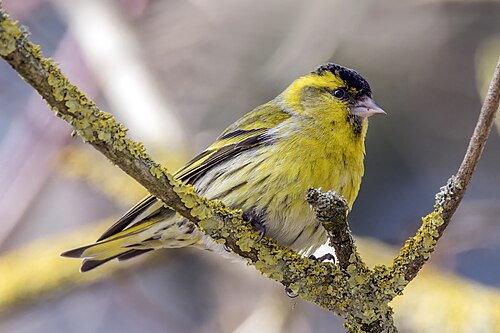
Frequent Companion Charles J. Sharp / CC BY-SA 4.0 · cc-by-sa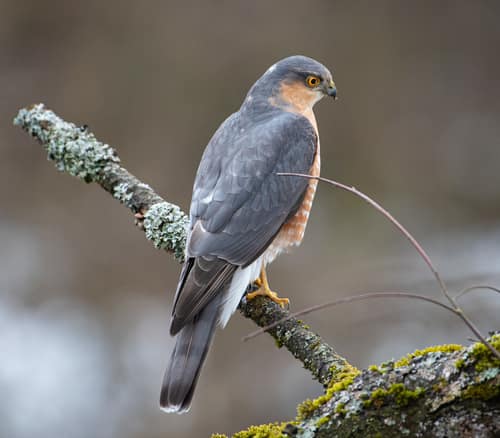
Predator (c) Stanislav Murashkin, some rights reserved (CC BY), uploaded by Stanislav Murashkin · cc-by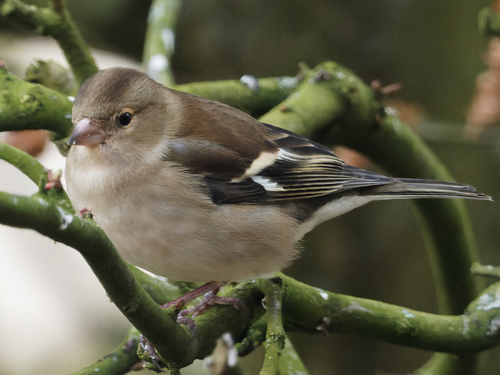
Close Relative (c) William Stephens, some rights reserved (CC BY), uploaded by William Stephens · cc-by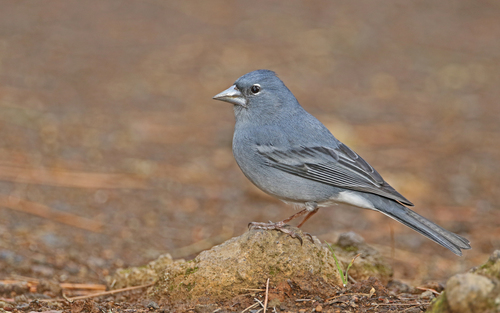
Close Relative (c) Christoph Moning, some rights reserved (CC BY), uploaded by Christoph Moning · cc-by
Help improve the field guideSomething wrong?
Checking your Fauna account…Report a name, category, or profile issue for review.