
Bird
Red-browed Finch
Neochmia temporalisAlso known as Red-browed Firetail, Sydney Waxbill, Temporal Finch
Small, active flocks of red-browed finches flit through dense undergrowth and roadside grasses, chattering with high-pitched piping whistles. Readily recognized by their bright crimson eyebrow stripe and red rump contrasting against olive-green plumage, they feed on ripe and half-ripe grass seeds in social groups of ten to twenty birds. Breeding pairs build large, untidy dome nests of woven grass stems with long side-entrance tunnels tucked securely into prickly shrubs.
SongbirdFlockingGranivore
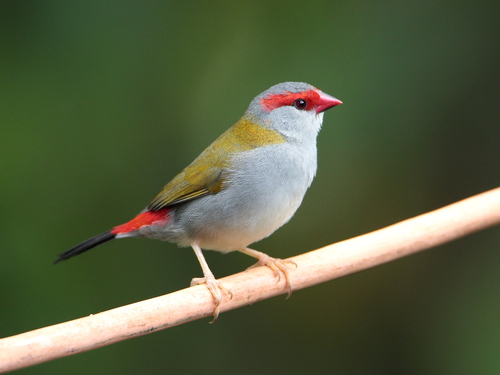
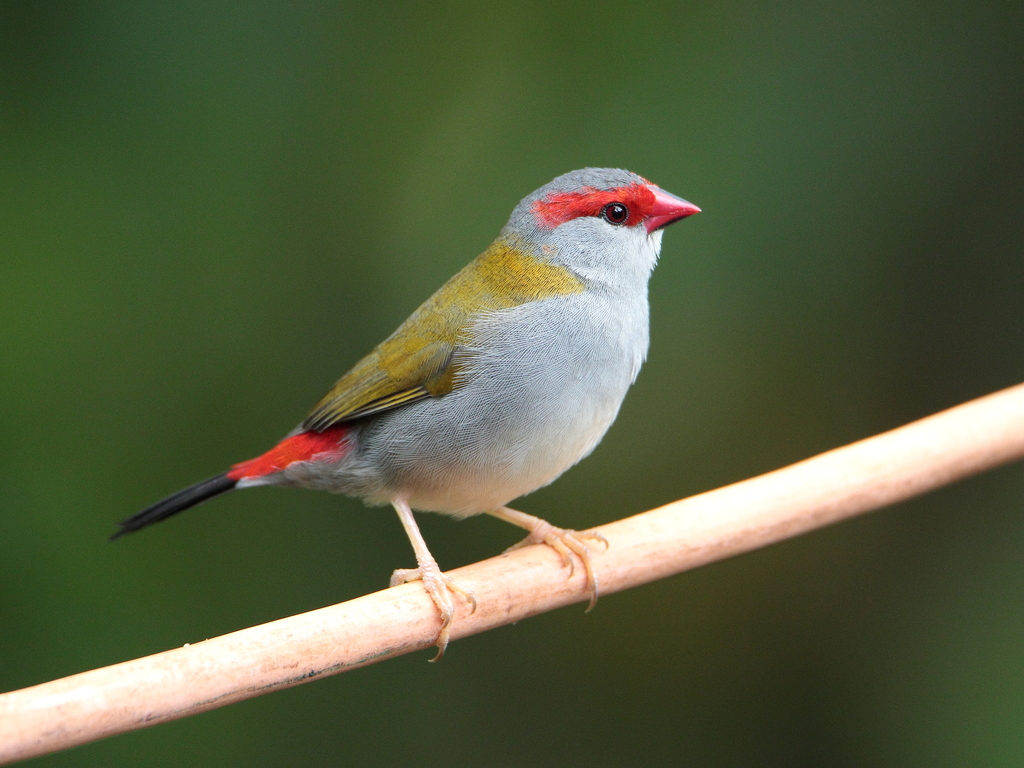
—observations
—countries
—peak records
Least ConcernConservation statusIUCN Red List categoriesLCNTVUENCREWEXLeast ConcernRed List categories, explained →
Diet & preyNative grass seeds, Invasive grass seeds, Small insects
Predators
- Feral Cat
- Collared Sparrowhawk
- Pied Currawong
ThreatsHabitat clearance, native vegetation degradation, and predation by domestic and feral cats
HabitatsTemperate forests, woodland edges, grasslands, coastal scrub, and suburban parks
Life span5–8 years
Classification
- OrderPasseriformes
- FamilyEstrildidae
- GenusNeochmia
- SpeciesNeochmia temporalis
Range data is not available yet.
Interaction riskLow
- Low
- Moderate
- High
- Very high
- Why interaction risk is low
- Safe to observe at a normal distance.
Responsible observation
- Spotting: Scan low shrubbery and roadside grasses where small feeding flocks gather on bare earth.
- Listening: Tune your ear to thin, high-pitched piping contact calls emitted while feeding.
- Binoculars: Approach slowly without sudden movements, as flock members flush together into dense bushes.
 Image unavailable
Close Relative 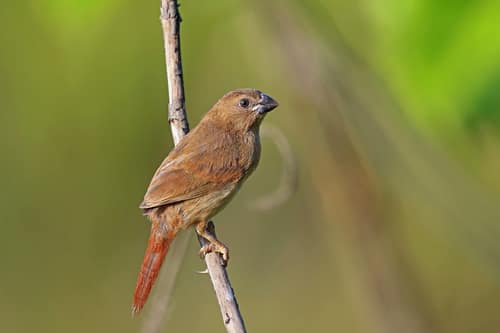
Close Relative (c) Nigel Voaden, some rights reserved (CC BY) · cc-by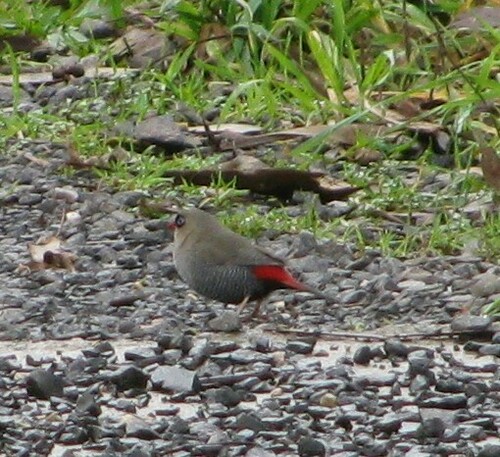
Same Family no rights reserved · cc0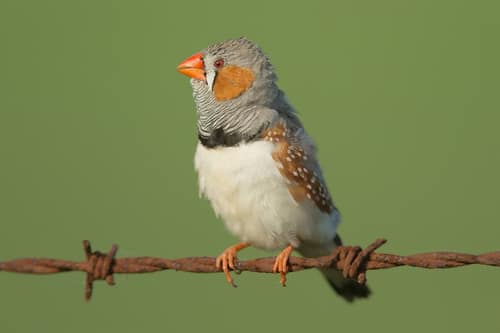
Same Family JJ Harrison (https://www.jjharrison.com.au/) / CC BY-SA 4.0 · cc-by-sa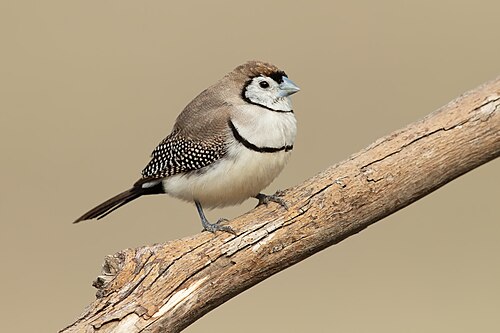
Same Family JJ Harrison (https://www.jjharrison.com.au/) / CC BY-SA 4.0 · cc-by-sa
Help improve the field guideSomething wrong?
Checking your Fauna account…Report a name, category, or profile issue for review.