
Bird · GBIF taxon 2493316
Iraq Babbler
Turdoides altirostrisAlso known as Mesopotamian Babbler
Iraq babblers are highly social, active songbirds that inhabit the dense reedbeds and riverine marshes of the Tigris and Euphrates basins. Moving in tight family groups of up to a dozen individuals, they bounce through marsh vegetation while maintaining constant contact with soft, chattering calls. Breeding groups cooperate to defend territories and raise offspring, weaving deep cup nests directly onto standing reed stalks.
SocialWetlandSongbird
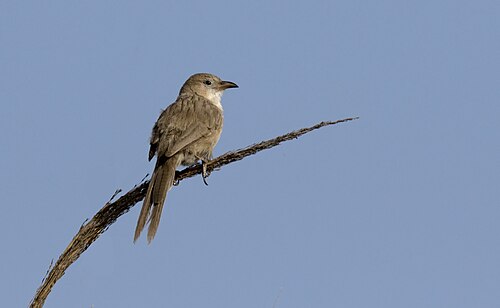
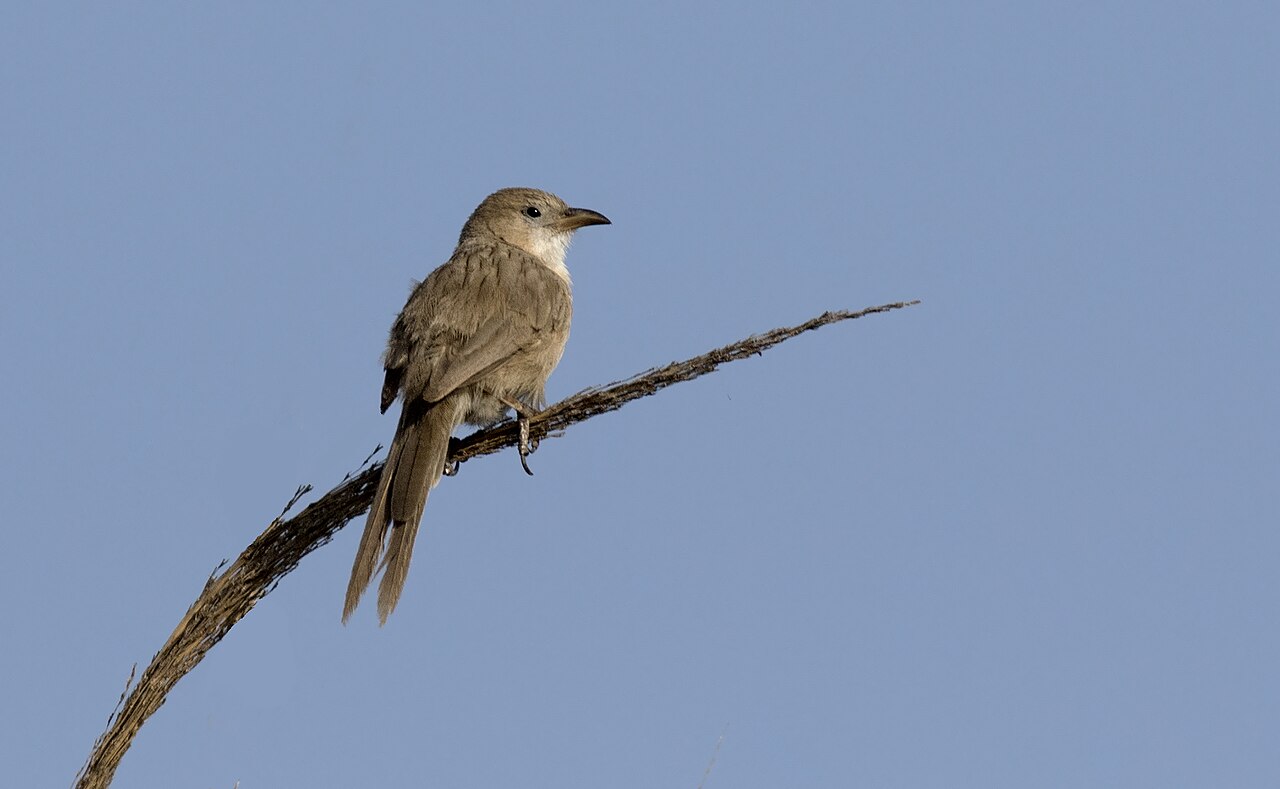
Licensed referenceZeynel Cebeci / CC BY-SA 4.0 · cc-by-sa
—observations
—countries
—peak records
Least ConcernConservation statusIUCN Red List categoriesLCNTVUENCREWEXLeast ConcernRed List categories, explained →
Diet & prey
- Grasshoppers
- Spiders
- Aquatic beetles
Predators
- Marsh harrier
- Domestic cat
- Lesser corsac fox
ThreatsWetland drainage, dam construction, and drought
HabitatsFreshwater reedbeds, marshes, riverbanks, and irrigated canal banks
Life span3–6 years
Size / weightNot available
Classification
- FamilyLeiothrichidae
- SpeciesTurdoides altirostris
Range data is not available yet.
Interaction riskLow
- Low
- Moderate
- High
- Very high
- Why interaction risk is low
- Safe to observe at a normal distance.
- What to notice
- Look for a dull rufous-brown babbler with a long graduated tail in dense wetland reeds.
- Support conservation
- Observe quietly from established dikes or watercraft to avoid damaging nesting reeds.
Responsible observation
- Listen for chatter: Follow group vocalizations to locate parties moving through thick reeds.
- Scan marsh edges: Watch canal banks and open reed pockets early in the morning.
- Keep distance: Avoid disturbing fragile nesting vegetation in wetland habitats.
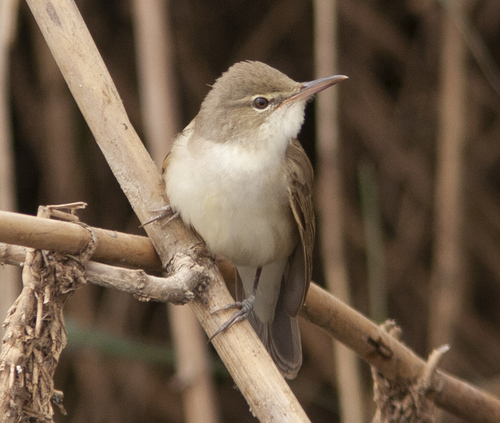
Frequent Companion no rights reserved, uploaded by Tero Linjama · cc0 Image unavailable
Close Relative Close Relative
Help improve the field guideSomething wrong?
Checking your Fauna account…Report a name, category, or profile issue for review.