
Bird
Basra Reed Warbler
Acrocephalus griseldisAlso known as Basra Reed-Warbler, Iraq Reed Warbler
Basra reed warblers weave intricate cup nests suspended between sturdy stalks in expansive marshlands across the Mesopotamian floodplain. Males deliver a raspy, deep song from elevated perches within dense vegetation before embarking on long migration routes to East Africa. Persistent loss and drainage of reed habitats in their riverine strongholds pose serious challenges to their surviving global population.
MigratorySongbirdWetland
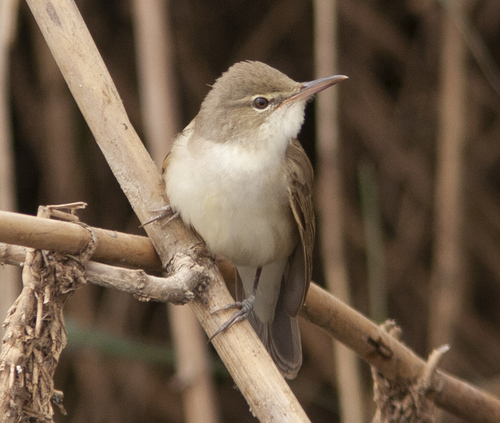
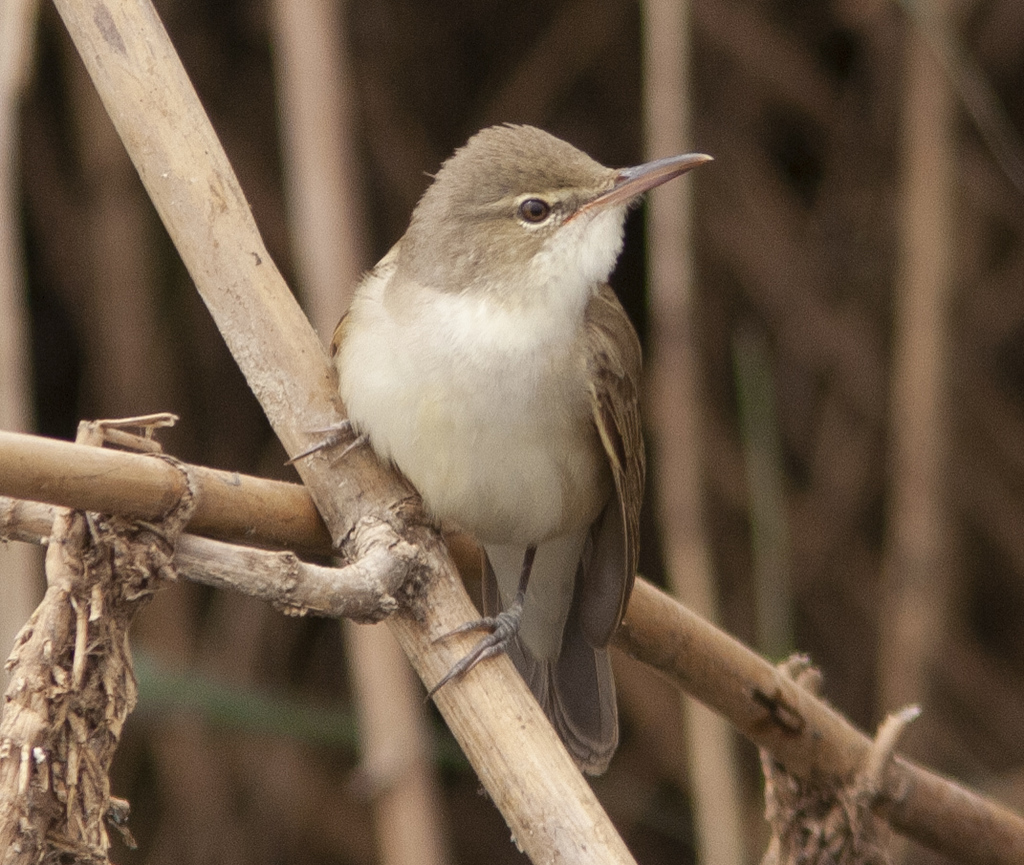
—observations
—countries
—peak records
EndangeredConservation statusIUCN Red List categoriesLCNTVUENCREWEXEndangeredRed List categories, explained →
Diet & preyInsects, Spiders, Small crustaceans
Predators
- Harriers
- Snakes
- Small mammals
ThreatsWetland drainage, river damming, habitat degradation, and climate change
HabitatsFreshwater wetlands, papyrus beds, and riverine reed marshes
Life span5–8 years
Classification
- FamilyAcrocephalidae
- SpeciesAcrocephalus griseldis
Range data is not available yet.
Interaction riskLow
- Low
- Moderate
- High
- Very high
- Why interaction risk is low
- Safe to observe at a normal distance.
- What to notice
- Recognizable by its long pointed bill, clean white underparts, and pale eye stripe while foraging low in marsh vegetation.
- Support conservation
- Avoid using playback lures during the breeding season and maintain a respectful distance from active reed beds.
Responsible observation
- Listen carefully: Identify them by their distinctive gruff call notes echoing deep inside tall reed stalks.
- Use optics: Spot birds feeding along the edges of tall vegetation early in the morning when activity peaks.
- Minimize noise: Approach breeding marshes quietly to avoid flushing nesting birds from cover.
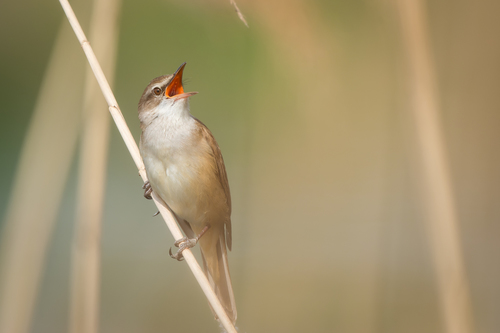
Close Relative (c) Tomas Broucek, some rights reserved (CC BY), uploaded by Tomas Broucek · cc-by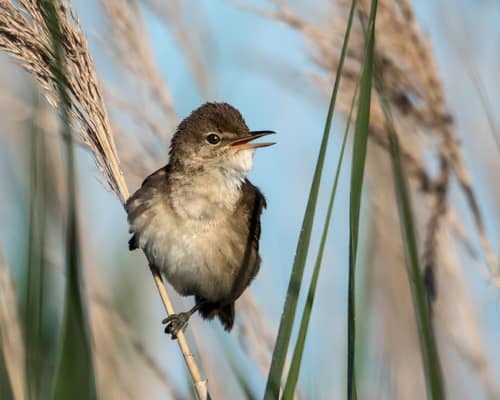
Close Relative (c) Alan Shearman, some rights reserved (CC BY) · cc-by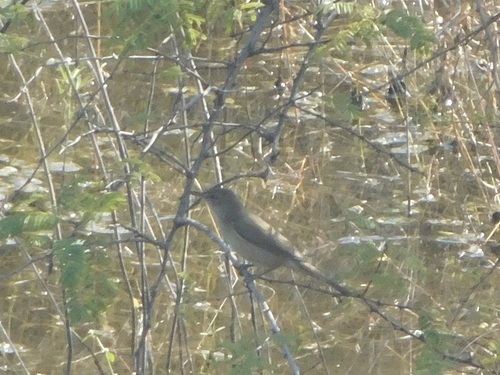
Close Relative (c) Aryan K, some rights reserved (CC BY) · cc-by
Help improve the field guideSomething wrong?
Checking your Fauna account…Report a name, category, or profile issue for review.