
Bird
Willow Warbler
Phylloscopus trochilusAlso known as Willow Wren
Willow warblers spend spring and summer flitting through damp deciduous woodlands, birch thickets, and scrublands across Europe and northern Asia. Their bright, silvery song consists of a sweet descending sequence that echoes through young canopy leaves throughout the breeding season. Every autumn, these tiny insect-eaters undertake an extraordinary migration to sub-Saharan Africa, traveling thousands of kilometers twice each year.
MigratorySongbirdInsectivore
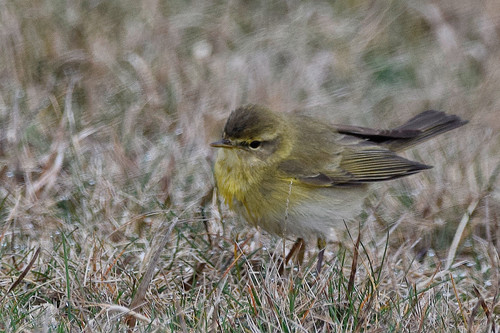
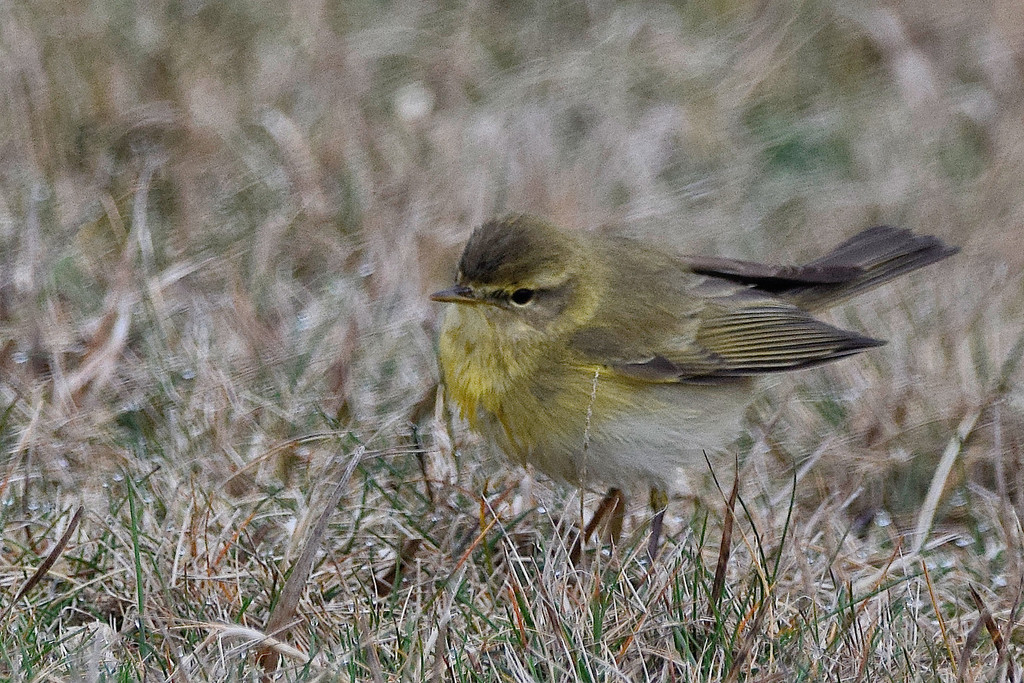
—observations
—countries
—peak records
Least ConcernConservation statusIUCN Red List categoriesLCNTVUENCREWEXLeast ConcernRed List categories, explained →
Diet & preyAphids, Caterpillars, Spiders
Predators
- Eurasian Sparrowhawk
- Domestic Cat
- Great Grey Shrike
ThreatsHabitat loss in wintering grounds, climate change affecting insect timing, migration hazards
HabitatsBirch woodlands, willow thickets, heathland scrub, damp broadleaf forests
Life span2–5 years
Classification
- OrderPasseriformes
- FamilyPhylloscopidae
- GenusPhylloscopus
- SpeciesPhylloscopus trochilus
Range data is not available yet.
Interaction riskLow
- Low
- Moderate
- High
- Very high
- Why interaction risk is low
- Safe to observe at a normal distance.
Responsible observation
- Listen for Song: Distinguish from Chiffchaff by its fluid, descending musical cadence rather than rhythmic chiff-chaffing.
- Watch Foliage: Look for small greenish birds actively gleaning insects from leaves near willow or birch trees.
- Respect Nesting Areas: Keep to paths during spring breeding as they build dome nests hidden on or near the ground.
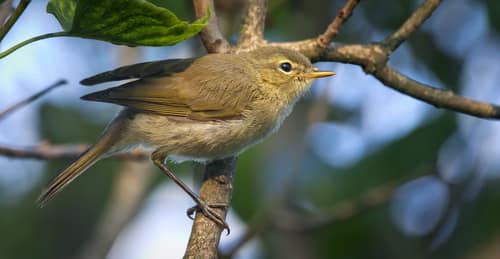
Close Relative (c) hedera.baltica, some rights reserved (CC BY-SA) · cc-by-sa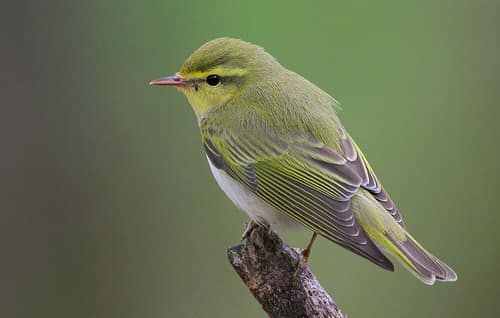
Close Relative (c) Steve Garvie, some rights reserved (CC BY-SA) · cc-by-sa
Help improve the field guideSomething wrong?
Checking your Fauna account…Report a name, category, or profile issue for review.