
Bird · GBIF taxon 2492649
Rufous-bellied Niltava
Niltava sundaraAlso known as Sundara Niltava, Rufous-bellied Flycatcher
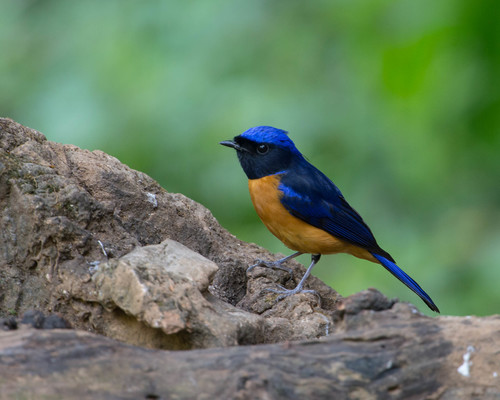
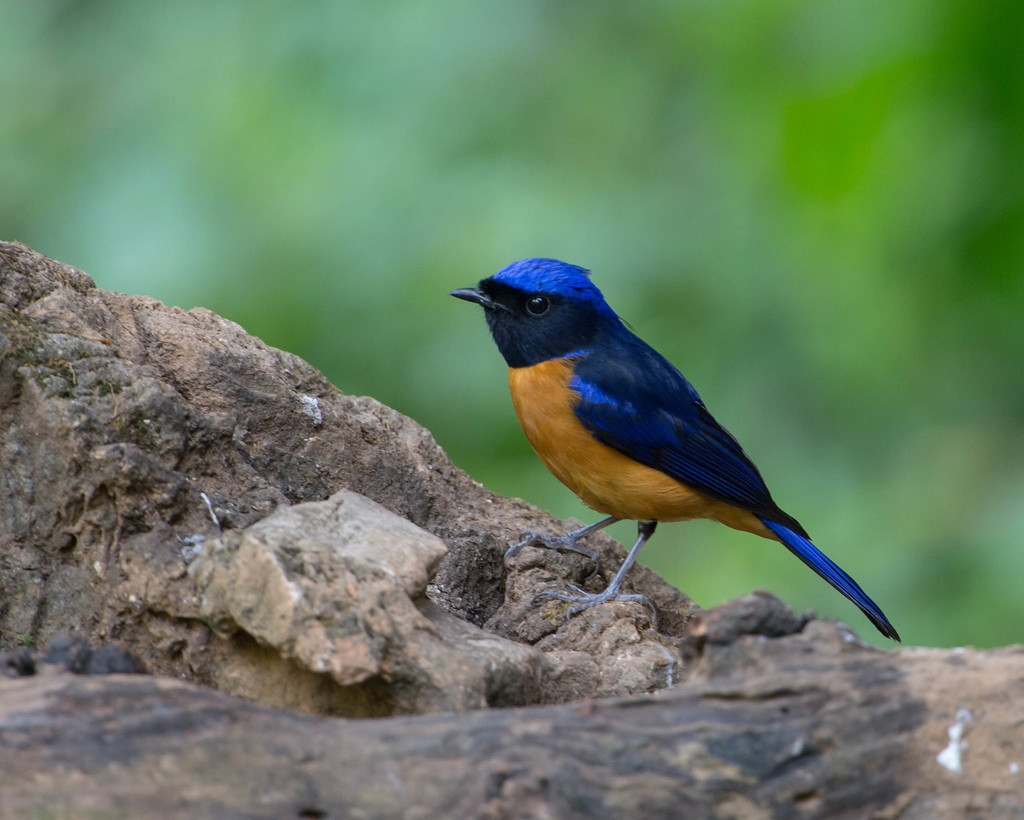
Rufous-bellied niltavas inhabit dense undergrowth and shaded gullies across Himalayan and Southeast Asian forests. Males display striking electric-blue crowns and deep orange-rufous underparts, while females sport subtle brown tones with a distinctive bright blue neck patch. They perch quietly on low branches, making sudden hawking swoops to capture passing insects before returning to cover.
VibrantInsectivoreSongbird
—observations
—countries
—peak records
Least ConcernConservation statusIUCN Red List categoriesLCNTVUENCREWEXLeast ConcernRed List categories, explained →
Diet & prey
- Beetles
- Caterpillars
- Spiders
Predators
- Sparrowhawks
- Tree snakes
- Small carnivores
ThreatsForest fragmentation and habitat degradation
HabitatsBroadleaf evergreen forests, montane thickets, and bamboo gullies
Life span3–6 years
Size / weightNot available
Classification
- OrderPasseriformes
- FamilyMuscicapidae
- GenusNiltava
- SpeciesNiltava sundara
Range data is not available yet.
Interaction riskLow
- Low
- Moderate
- High
- Very high
- Why interaction risk is low
- Safe to observe at a normal distance.
Responsible observation
- Listen for Calls: Trace high-pitched metallic whistle calls echoing through dense foliage.
- Scan the Undergrowth: Watch low perches near shaded streams where they hawk for passing insects.
- Remain Still: Stay quiet and stationary to let these shy birds venture into open view.
 Image unavailable
Close Relative Close Relative Close Relative
Help improve the field guideSomething wrong?
Checking your Fauna account…Report a name, category, or profile issue for review.