
Bird · GBIF taxon 2492608
Semicollared Flycatcher
Ficedula semitorquataAlso known as Semi-collared Flycatcher, Semicollared Pied Flycatcher
Semicollared flycatchers navigate high montane oak and beech forests across southeastern Europe and Western Asia, sallying out from exposed perches to snag flying insects mid-air. Breeding males display striking black-and-white plumage with a distinct half-collar of white extending around the sides of the neck. Natural tree cavities created by woodpeckers serve as vital nest sites where females incubate four to six pale blue eggs each spring before migrating to East Africa for the winter.
MigratoryInsectivoreWoodland
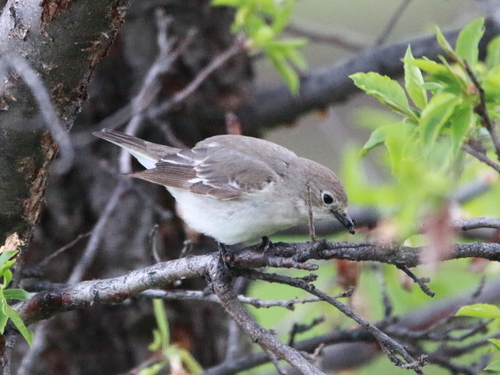
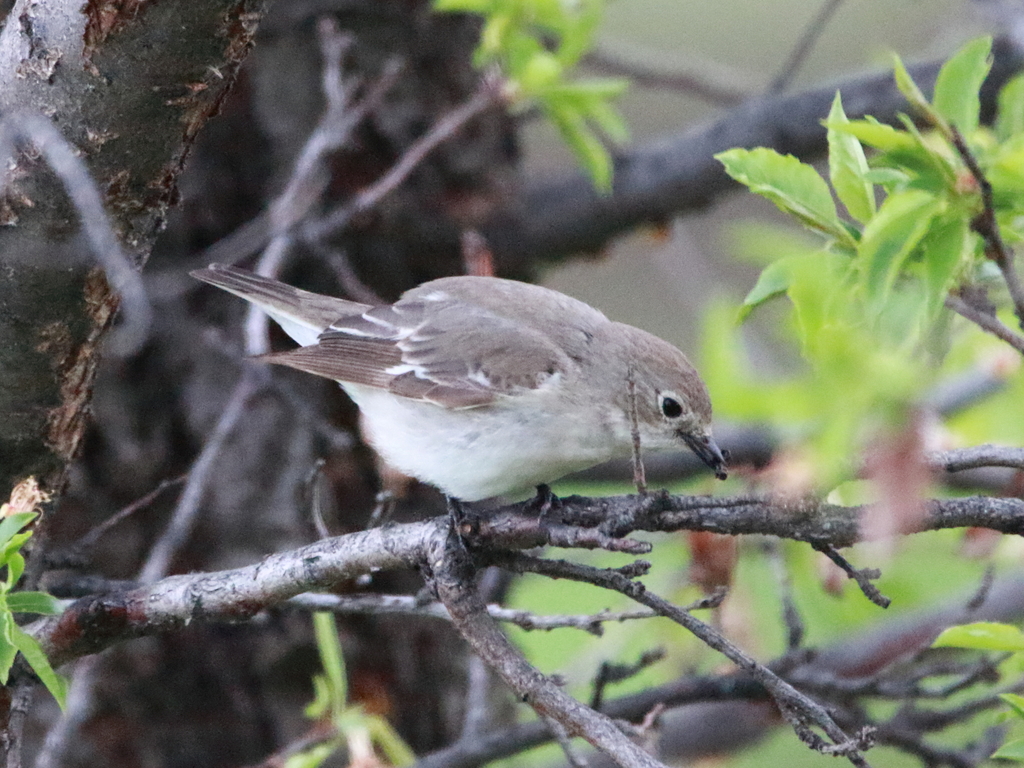 1 / 5
1 / 5—observations
—countries
—peak records
Least ConcernConservation statusIUCN Red List categoriesLCNTVUENCREWEXLeast ConcernRed List categories, explained →
Diet & prey
- Caterpillars
- Beetles
- Flies
Predators
- Eurasian Sparrowhawk
- Domestic Cat
- Owls
ThreatsDeforestation, removal of old cavity trees, and climate-induced migration shifts
HabitatsMontane deciduous forests, old-growth oak and beech woodlands, riverine trees
Life span3–6 years
Size / weightNot available
Classification
- FamilyMuscicapidae
- SpeciesFicedula semitorquata
Range data is not available yet.
Interaction riskLow
- Low
- Moderate
- High
- Very high
- Why interaction risk is low
- Safe to observe at a normal distance.
Responsible observation
- Spotting: Watch mid-story branches in mature oak or beech forests for sudden aerial sallying behavior.
- Listening: Listen for a rhythmic, squeaky song echoing from high canopy perches during spring arrival.
- Timing: Look for them on European breeding grounds between late April and early August.
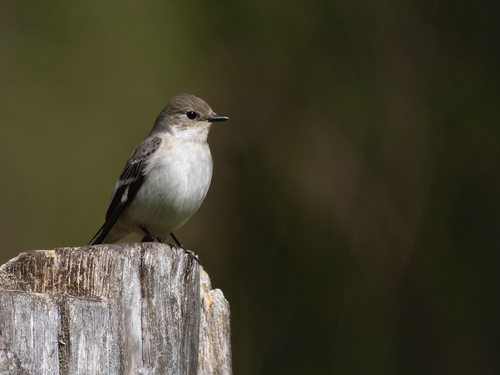
Close Relative (c) Frank Vassen, some rights reserved (CC BY) · cc-by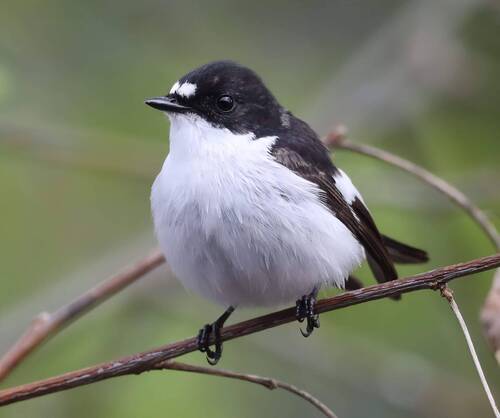
Close Relative (c) ViiruPesonen, some rights reserved (CC BY-SA) · cc-by-sa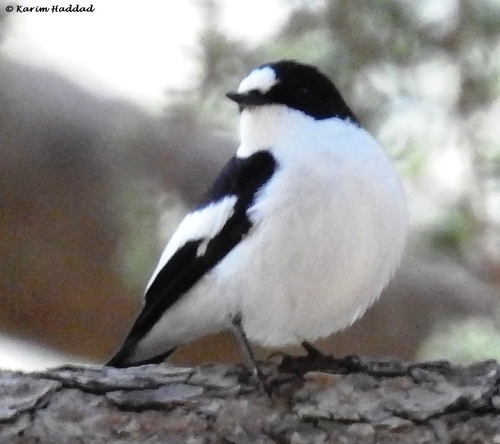
Close Relative (c) Karim Haddad, some rights reserved (CC BY), uploaded by Karim Haddad · cc-by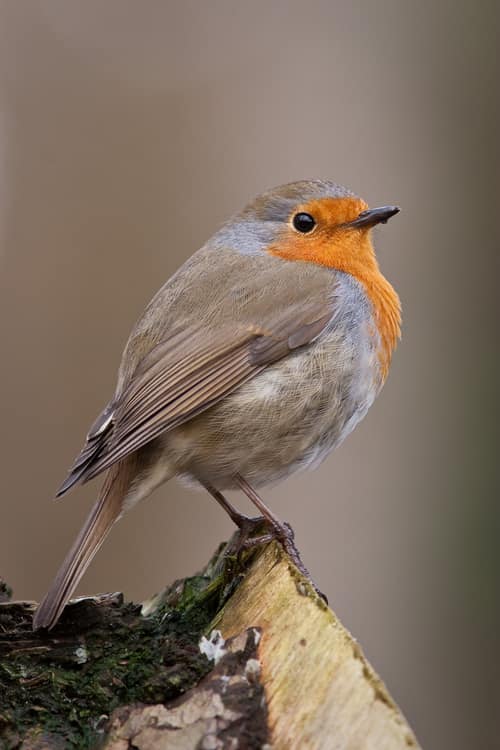
Family Member (c) Arjan Haverkamp, some rights reserved (CC BY) · cc-by
Help improve the field guideSomething wrong?
Checking your Fauna account…Report a name, category, or profile issue for review.