
Bird · GBIF taxon 2492480
Pygmy Flycatcher
Muscicapella hodgsoniAlso known as Pygmy Blue Flycatcher, Hodgson's Pygmy Flycatcher
Pygmy flycatchers rank among the tiniest passerines in Asian cloud forests, flitting through moss-draped branches with rapid, restless darting motions. Males sport a vibrant cobalt mantle with an apricot breast, while olive-brown females blend seamlessly into the lichen and leaf litter of the subcanopy. Pairs routinely join wandering mixed-species foraging flocks, broadcasting their presence with high-pitched, insect-like trills as they snatch minute prey midair.
MontaneSongbirdInsectivorous
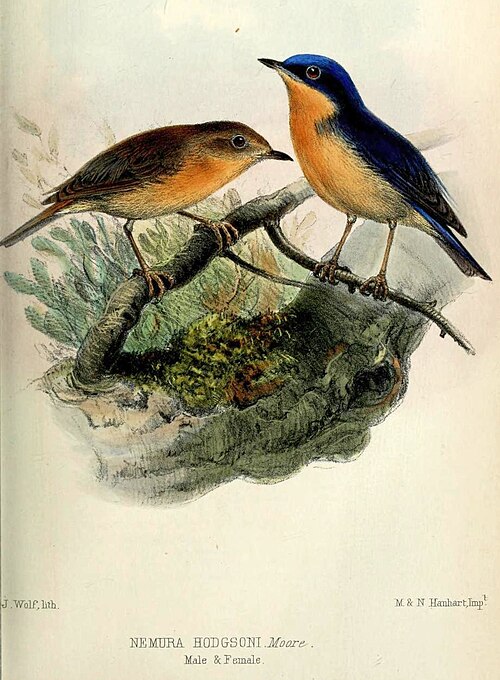
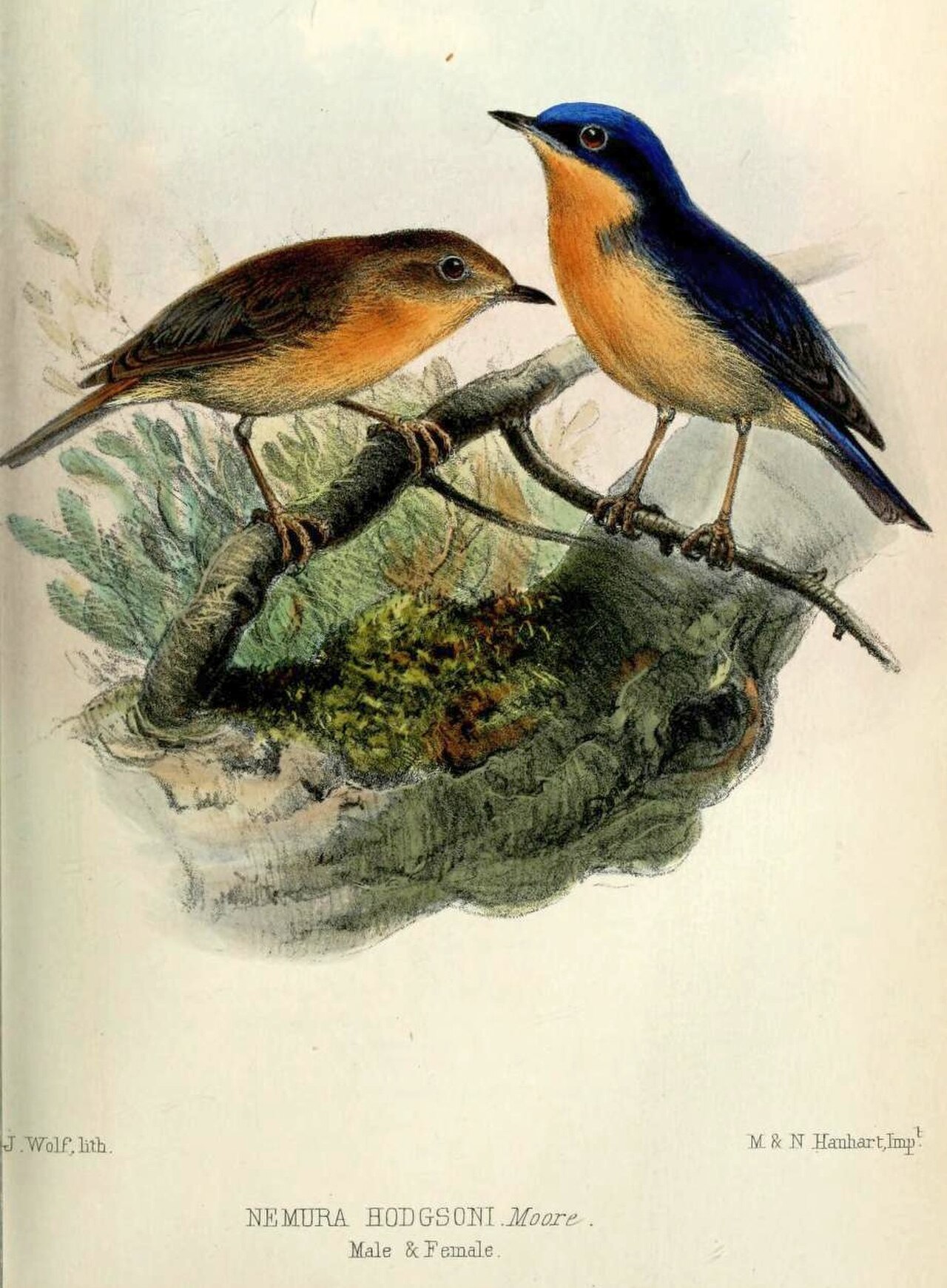
Licensed referenceJoseph Wolf (January 22, 1820 - April 20, 1899) / Public domain · cc0
—observations
—countries
—peak records
Least ConcernConservation statusIUCN Red List categoriesLCNTVUENCREWEXLeast ConcernRed List categories, explained →
Diet & prey
- Midges
- Bark lice
- Orb-weaver spiderlings
Predators
- Collared owlet
- Besra
- Mountain pit viper
ThreatsHabitat fragmentation, agricultural clearing, and upland timber harvesting
HabitatsMoist broadleaf montane forests, hill evergreen woods, and mossy cloud forests
Life span3–6 years
Classification
- FamilyMuscicapidae
- SpeciesMuscicapella hodgsoni
Range data is not available yet.
Interaction riskLow
- Low
- Moderate
- High
- Very high
- Why interaction risk is low
- Safe to observe at a normal distance.
Responsible observation
- Listen carefully: Detect their presence by scanning for thin, high-frequency chirps in dense upper foliage.
- Follow mixed flocks: Watch roving montane foraging flocks to catch fleeting views as birds cross gaps.
- Use binoculars: Keep optics focused on mossy epiphytes where these miniature birds glean insects.
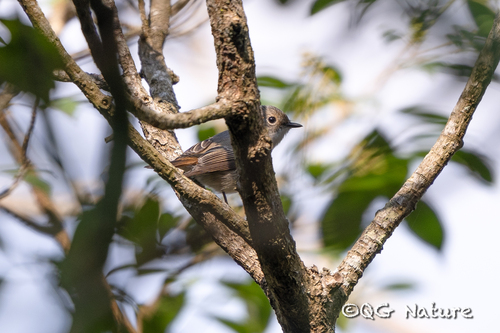
Neighbor (c) Wang.QG, some rights reserved (CC BY) · cc-by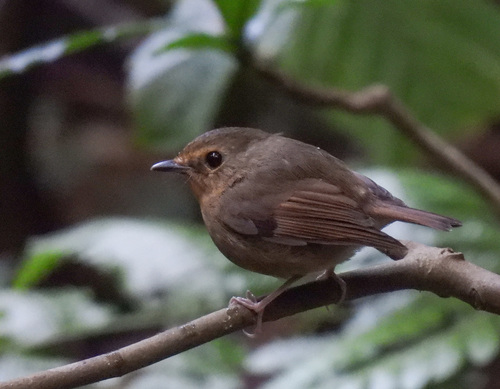
Neighbor (c) Rejoice Gassah, some rights reserved (CC BY) · cc-by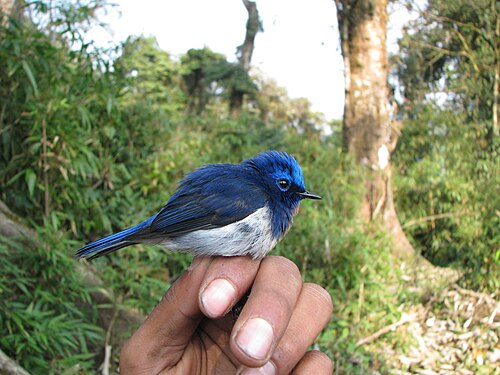
Neighbor Umeshsrinivasan / CC BY-SA 3.0 · cc-by-sa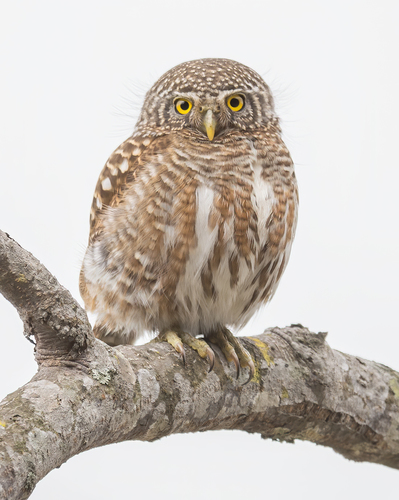
Predator (c) Morten Ross, some rights reserved (CC BY), uploaded by Morten Ross · cc-by
Help improve the field guideSomething wrong?
Checking your Fauna account…Report a name, category, or profile issue for review.