
Bird
Lincoln's Sparrow
Melospiza lincolniiLincoln's sparrows skulk through dense willow thickets and boreal bogs across North America, staying low in heavy cover to avoid detection. Despite their reclusive habits, breeding males reveal their presence with a rich, bubbling song that rivals the melody of a wren. During migration, these finely streaked songbirds quietly stop over in overgrown fields, brushy garden edges, and damp tangled thickets.
MigratorySongbirdSecretive
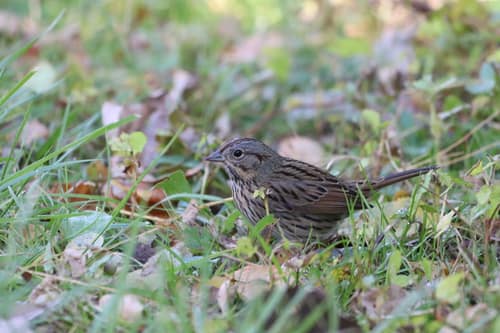
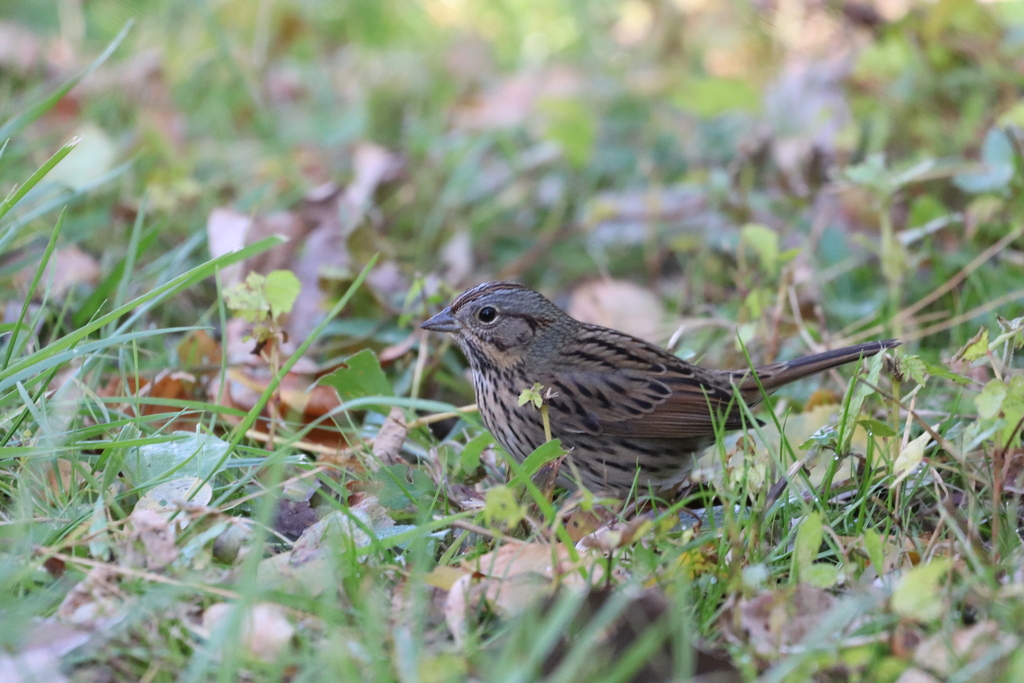
—observations
—countries
—peak records
Least ConcernConservation statusIUCN Red List categoriesLCNTVUENCREWEXLeast ConcernRed List categories, explained →
Diet & preyBeetles, Caterpillars, Grass seeds
Predators
- Sharp-shinned Hawk
- Domestic Cat
- American Kestrel
ThreatsHabitat loss in breeding bogs, climate change, window strikes during migration
HabitatsBoreal bogs, wet mountain meadows, willow thickets, brushy field edges
Life span3–7 years
Classification
- FamilyPasserellidae
- SpeciesMelospiza lincolnii
Range data is not available yet.
Interaction riskLow
- Low
- Moderate
- High
- Very high
- Why interaction risk is low
- Safe to observe at a normal distance.
Responsible observation
- Listen for Songs: Search wet willow thickets in spring for its loud, wrenlike melody.
- Watch Low Cover: Scan ground level near brushy tangles where birds forage quietly.
- Use Patience: Wait quietly near migration stopover habitat for brief views as they emerge.
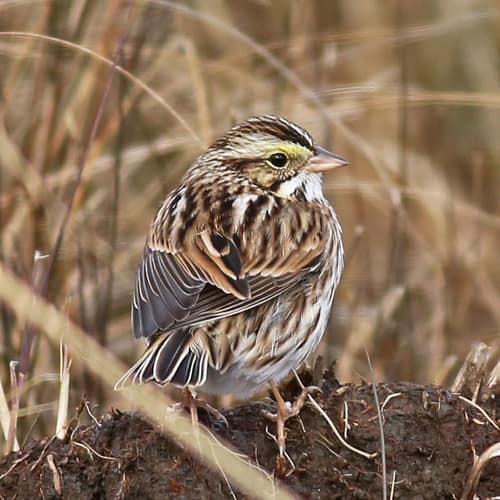
Similar Species (c) Bill Keim, some rights reserved (CC BY) · cc-by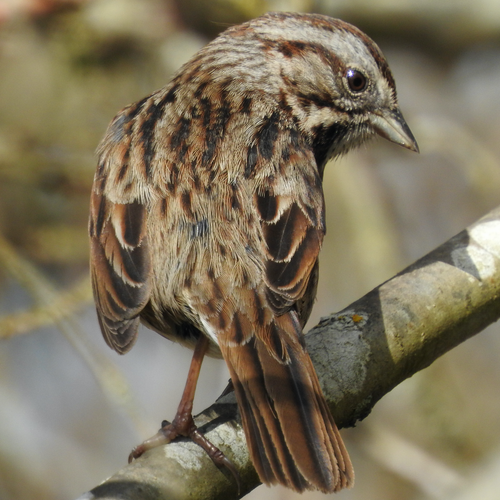
Close Relative (c) Daniel Levitis, some rights reserved (CC BY), uploaded by Daniel Levitis · cc-by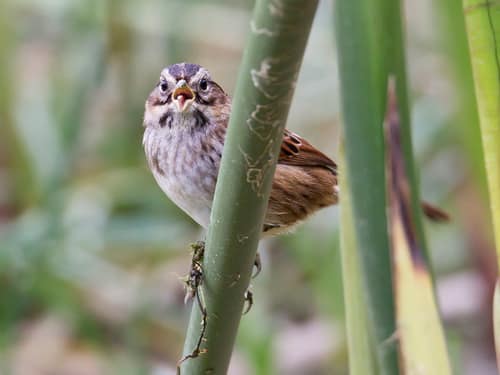
Close Relative (c) Bill Bouton, some rights reserved (CC BY-SA) · cc-by-sa
Help improve the field guideSomething wrong?
Checking your Fauna account…Report a name, category, or profile issue for review.