
Bird
Saffron Finch
Sicalis flaveolaSaffron finches spend much of their day hopping across lawns and open pastures, foraging in small, sociable flocks for fallen grass seeds. Males deliver persistent, melodic trills from fence posts and telephone wires, flashing vivid orange-suffused foreheads to defend their breeding territories. Rather than weaving freestanding cup nests, pairs readily commandeer abandoned mud ovens built by rufous horneros, tree cavities, or gaps beneath building eaves to rear their broods.
SongbirdGranivoreIntroduced
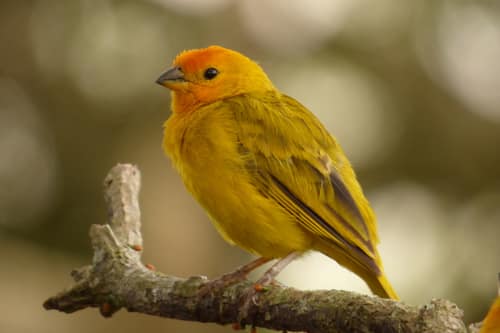
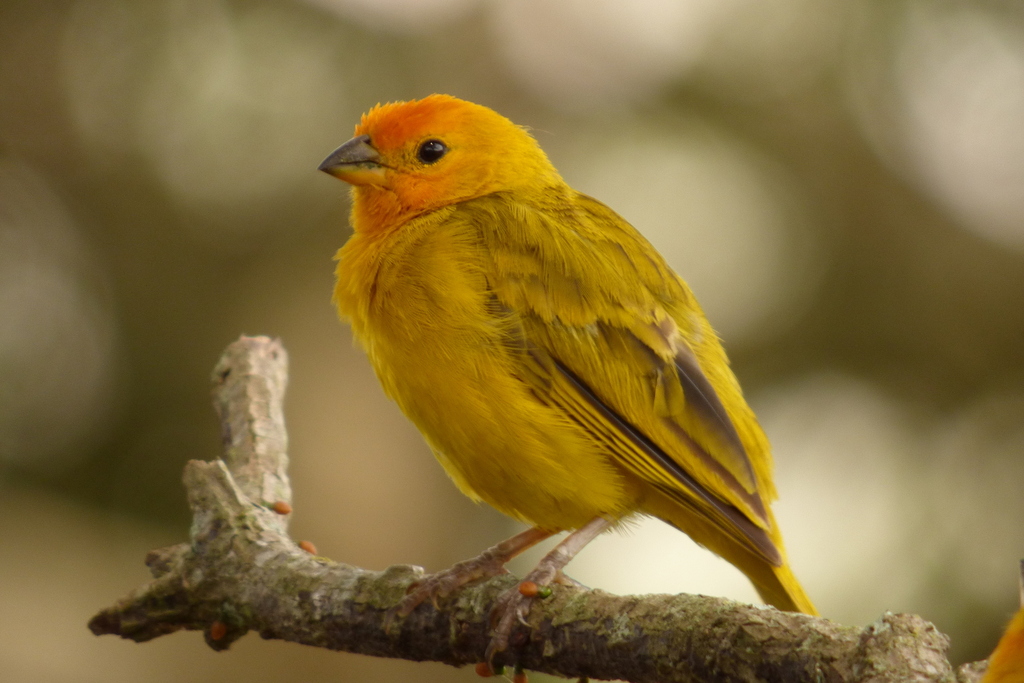
—observations
—countries
—peak records
Least ConcernConservation statusIUCN Red List categoriesLCNTVUENCREWEXLeast ConcernRed List categories, explained →
Diet & preyGrass seeds, Weed seeds, Small termites and ants
Predators
- Feral and domestic cats
- Roadside Hawk
- Colubrid snakes
ThreatsIllegal cagebird trapping, urbanization, and pesticide use
HabitatsSavannas, pastures, agricultural fields, scrublands, and suburban lawns
Life span5–10 years
Classification
- OrderPasseriformes
- FamilyThraupidae
- GenusSicalis
- SpeciesSicalis flaveola
Range data is not available yet.
Interaction riskLow
- Low
- Moderate
- High
- Very high
- Why interaction risk is low
- Safe to observe at a normal distance.
Responsible observation
- Listening for Song: Scan overhead utility wires and fence posts where males sing loud, cheerful melodies during early morning hours.
- Ground Scanning: Look low in short grass, road verges, and manicured lawns where pairs hop rhythmically while gleaning seeds.
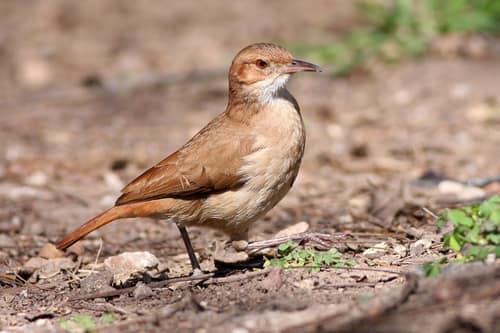
Nest Provider (c) Ron Knight, some rights reserved (CC BY) · cc-by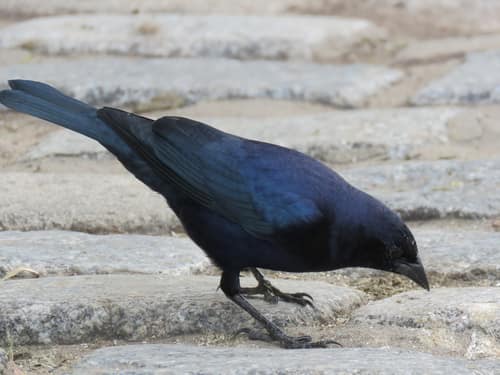
Brood Parasite (c) Nicolas Olejnik, some rights reserved (CC BY), uploaded by Nicolas Olejnik · cc-by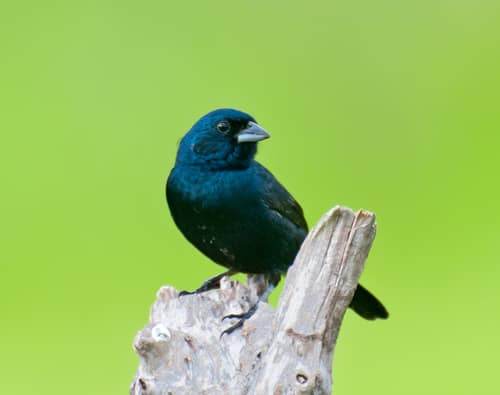
Frequent Companion (c) Dario Sanches, some rights reserved (CC BY-SA) · cc-by-sa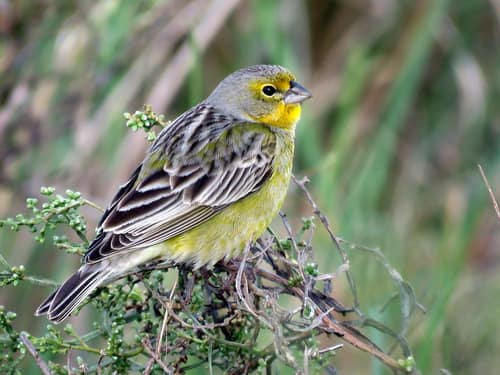
Close Relative no rights reserved, uploaded by Diego Carús · cc0
Help improve the field guideSomething wrong?
Checking your Fauna account…Report a name, category, or profile issue for review.