
Bird
Yellow-breasted Bunting
Emberiza aureolaThe Yellow-breasted Bunting is a small seed-eating bird with bright yellow underparts; breeding males add a black face and chestnut collar. Migrating flocks use open wetlands, fields, and grasslands.
Migratory BuntingYellow UnderpartsGrassland Bird
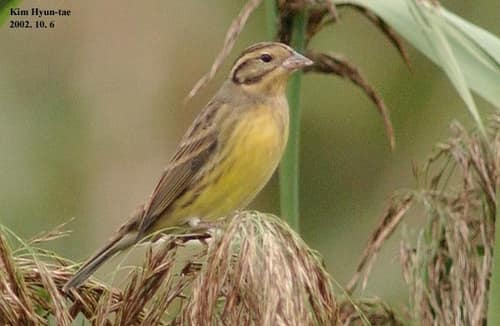
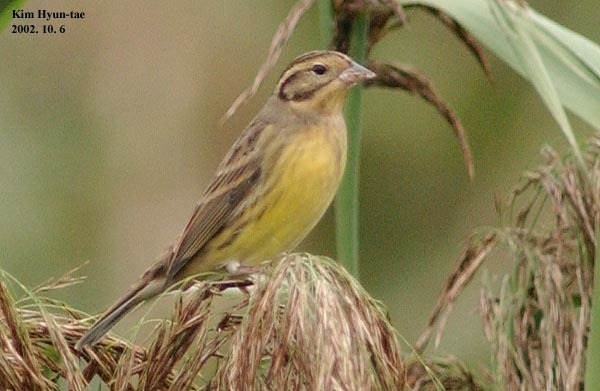
—observations
—countries
—peak records
Critically EndangeredConservation statusIUCN Red List categoriesLCNTVUENCREWEXCritically EndangeredRed List categories, explained →
Diet & preyCaterpillars, Beetles, Other insects
Predators
- Falcons
- Owls
- Small carnivores
ThreatsLarge-scale trapping, hunting, agricultural change, and habitat loss
HabitatsWet meadows, reed edges, scrubby grassland, farmland, and marsh margins
Life spanLikely several years; species-specific longevity is not well documented
Classification
- FamilyEmberizidae
- SpeciesEmberiza aureola
Range data is not available yet.
Interaction riskLow
- Low
- Moderate
- High
- Very high
- Why interaction risk is low
- Observe remotely and never reveal precise roost or breeding locations publicly.
- What to notice
- Confirm the bunting using head pattern, chestnut collar, yellow underparts, and season before reporting.
- Support conservation
- Never capture, approach roosts, or publish exact locations outside trusted conservation reporting systems.
Responsible observation
- Plumage: Look for yellow underparts and a chestnut neck band in males.
- Ethics: Use distant optics without playback or flushing a flock.
Help improve the field guideSomething wrong?
Checking your Fauna account…Report a name, category, or profile issue for review.