
Bird
Austral Thrush
Turdus falcklandiiAlso known as Zorzal Patagónico, Falkland Thrush
Austral thrushes fill southern South American woodlands and gardens with melodious, flute-like songs reminiscent of northern robins. They forage openly across lawns, forest clearings, and shoreline wrack, using keen eyesight to probe damp earth for earthworms and invertebrates. In Patagonian forests, they play a vital role as seed dispersers, consuming native berries and transporting seeds across vast temperate landscapes.
SongbirdPatagonianOmnivore
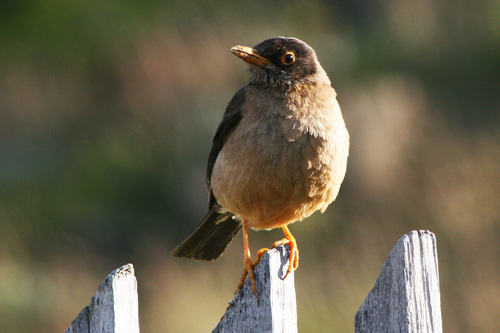
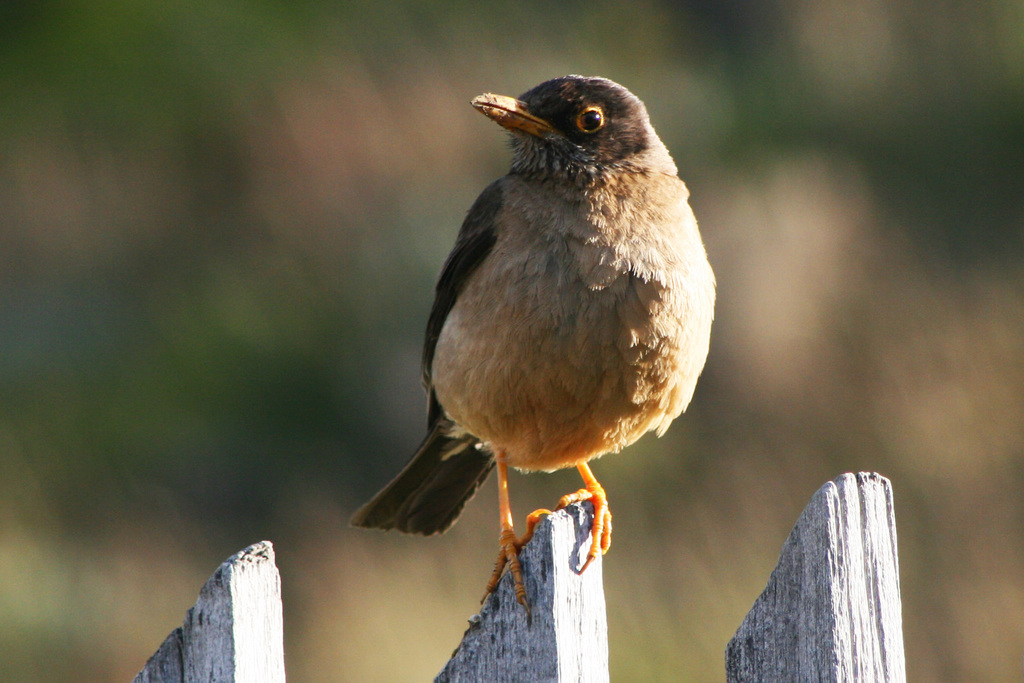
—observations
—countries
—peak records
Least ConcernConservation statusIUCN Red List categoriesLCNTVUENCREWEXLeast ConcernRed List categories, explained →
Diet & preyEarthworms, Beetles, Berries of Calafate
Predators
- Domestic cat
- Austral pygmy owl
- Chimango caracara
ThreatsPredation by introduced domestic cats, habitat fragmentation, and collision hazards
HabitatsTemperate forests, woodland edges, scrubland, gardens, and coastal lowlands
Life span5–10 years
Classification
- FamilyTurdidae
- SpeciesTurdus falcklandii
Range data is not available yet.
Interaction riskLow
- Low
- Moderate
- High
- Very high
- Why interaction risk is low
- Safe to observe at a normal distance.
Responsible observation
- Lawn Watch: Look for them running and pausing on open lawns early in the morning to locate surfacing worms.
- Listen at Dawn: Tune in at daybreak around Patagonian towns to hear their rich, melodious territorial whistling.
- Fruiting Shrubs: Scan native berry patches like calafate or maiten where family groups gather in autumn.
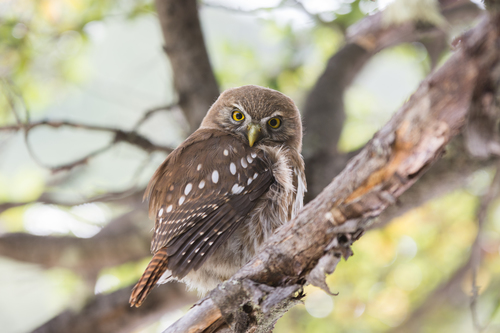
Predator (c) Eduardo Schmeda, some rights reserved (CC BY) · cc-by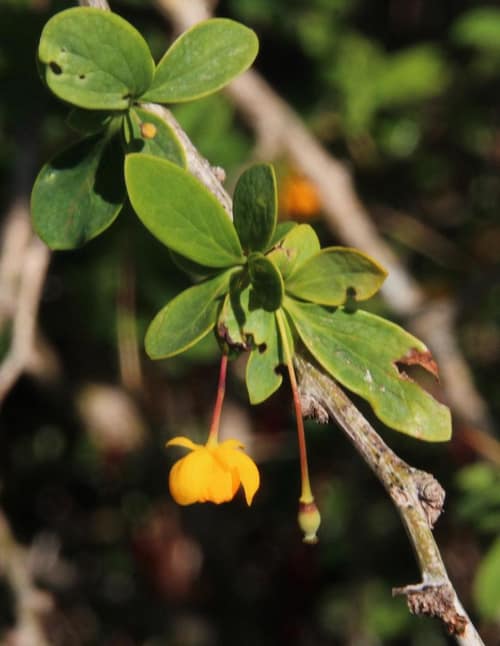
Food Plant (c) Tony Rebelo, some rights reserved (CC BY-SA), uploaded by Tony Rebelo · cc-by-sa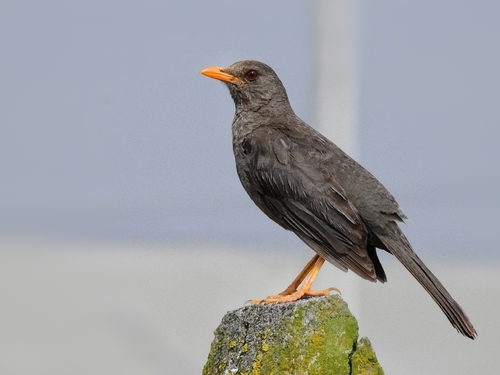
Close Relative (c) Esteban Poveda, some rights reserved (CC BY), uploaded by Esteban Poveda · cc-by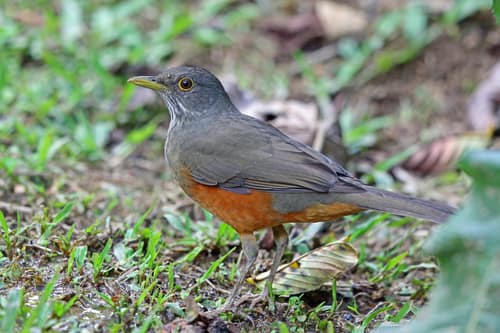
Close Relative (c) Nigel Voaden, some rights reserved (CC BY) · cc-by
Help improve the field guideSomething wrong?
Checking your Fauna account…Report a name, category, or profile issue for review.