
Bird
Eurasian Blackbird
Turdus merulaAlso known as Common Blackbird, Blackbird
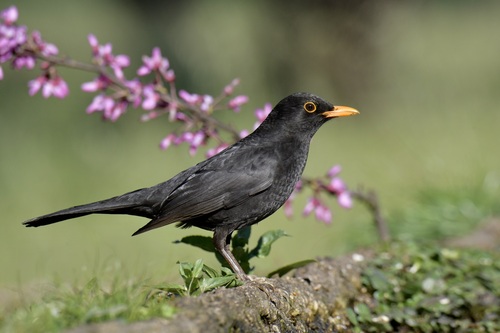
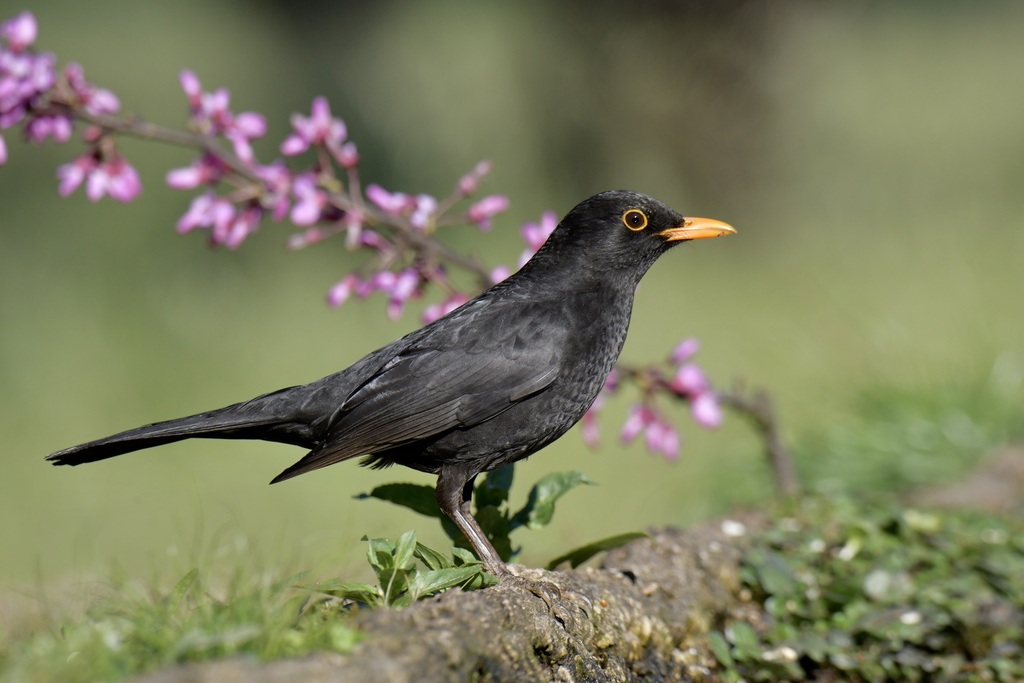
Adult male blackbirds are celebrated for their mellow, flute-like territorial songs delivered from prominent perches at dawn and dusk. Foraging on the ground, they vigorously toss aside fallen leaves to uncover earthworms, beetles, and fallen berries. While historically restricted to dense woodlands, they have adapted brilliantly to human settlements and rank among the most familiar songbirds across European gardens and urban parks.
SongbirdGarden BirdGround Forager
—observations
—countries
—peak records
Least ConcernConservation statusIUCN Red List categoriesLCNTVUENCREWEXLeast ConcernRed List categories, explained →
Diet & preyCommon Earthworm, Garden Snail, Blackberry
Predators
- Domestic Cat
- Eurasian Sparrowhawk
- Tawny Owl
ThreatsDomestic cat predation, vehicle collisions, and window strikes
HabitatsDeciduous woodlands, gardens, parks, hedgerows, and scrubland
Life span3–4 years in the wild
Classification
- OrderPasseriformes
- FamilyTurdidae
- GenusTurdus
- SpeciesTurdus merula
Range data is not available yet.
Interaction riskLow
- Low
- Moderate
- High
- Very high
- Why interaction risk is low
- Safe to observe at a normal distance.
Responsible observation
- Feeding Etiquette: Offer sliced apples, raisins, or mealworms directly on the ground or a low platform tray.
- Alarm Calls: Listen for their loud, frantic rattling call to pinpoint nearby lurking predators like cats.
- Nesting Season: Avoid trimming dense ivy and garden shrubs between March and August to protect active nests.
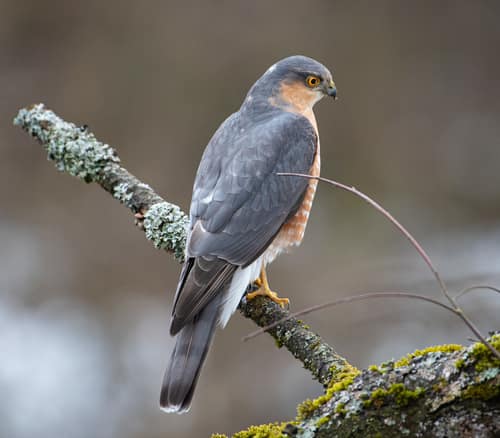
Predator (c) Stanislav Murashkin, some rights reserved (CC BY), uploaded by Stanislav Murashkin · cc-by
Prey (c) alicia penney, some rights reserved (CC BY), uploaded by alicia penney · cc-by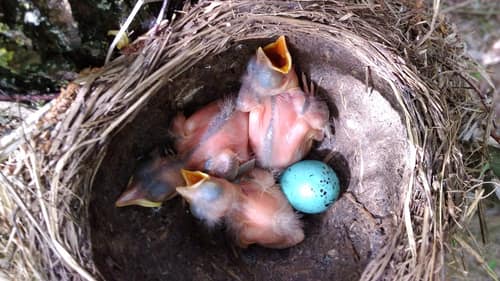
Close Relative (c) Вячеслав Юсупов, some rights reserved (CC BY), uploaded by Вячеслав Юсупов · cc-by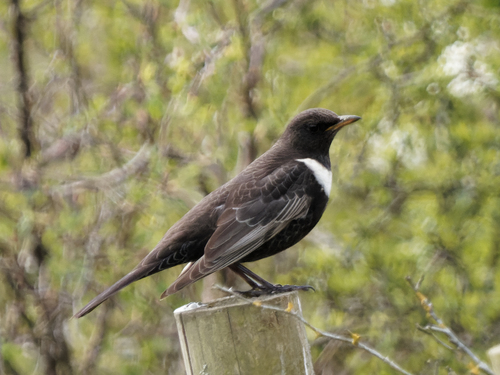
Close Relative (c) William Stephens, some rights reserved (CC BY), uploaded by William Stephens · cc-by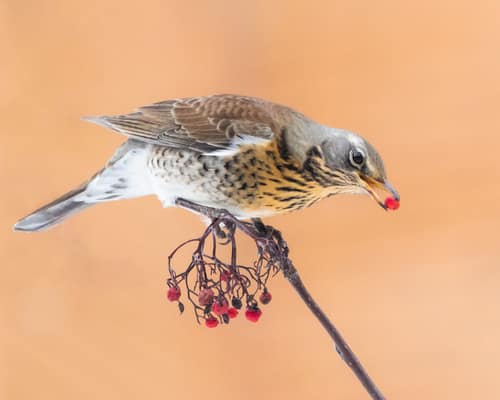
Close Relative (c) Михаил Голомысов, some rights reserved (CC BY), uploaded by Михаил Голомысов · cc-by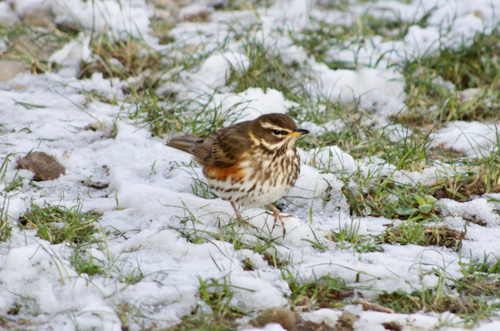
Close Relative (c) Codrin Bucur, some rights reserved (CC BY) · cc-by
Help improve the field guideSomething wrong?
Checking your Fauna account…Report a name, category, or profile issue for review.