
Bird
New Zealand Pipit
Anthus novaeseelandiaeAlso known as Pihoihoi, New Zealand Ground Lark
Crisp streaks of brown and buff camouflage this slender songbird as it strides energetically across windswept tussock and gravel riverbeds. Unlike introduced skylarks, it constantly wags its tail upright while foraging on foot for insects and spiders. Pairs build well-concealed grass nests in ground hollows beneath vegetation, making both eggs and chicks especially vulnerable to introduced mammalian predators.
InsectivorousGround-dwellingGrassland
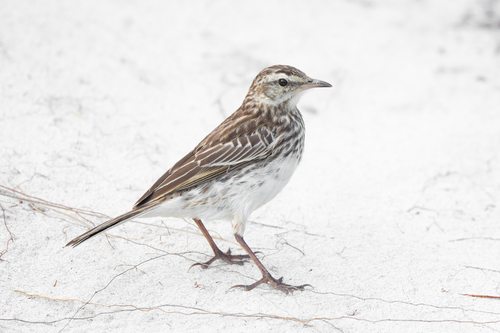
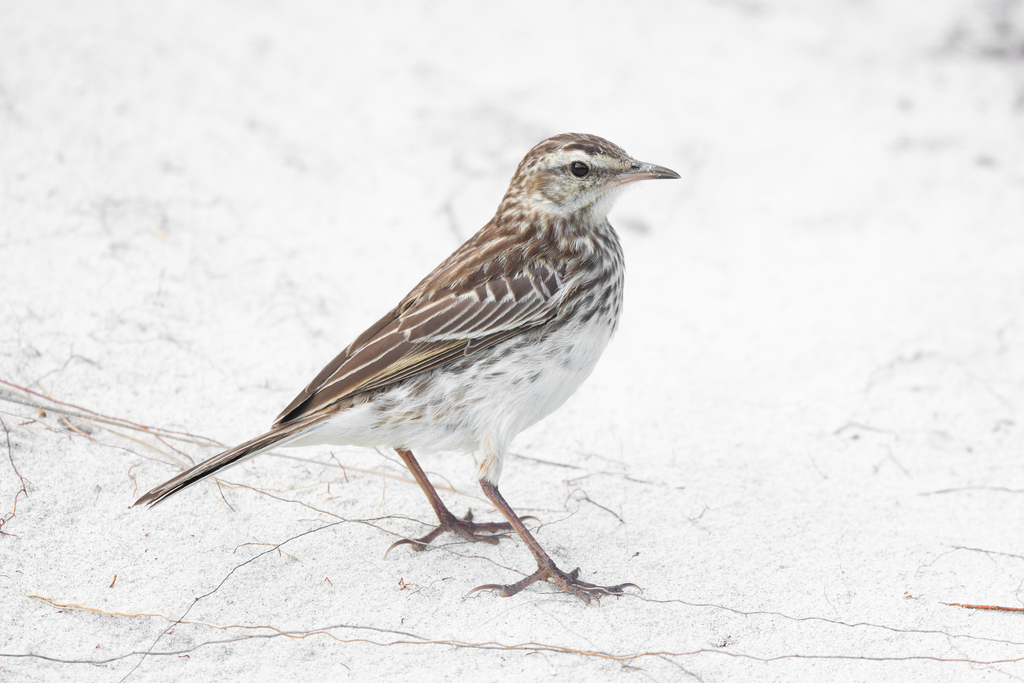
—observations
—countries
—peak records
Least ConcernConservation statusIUCN Red List categoriesLCNTVUENCREWEXLeast ConcernRed List categories, explained →
Diet & preyGround beetles, Moth caterpillars, Spiders
Predators
- Stoat
- Feral cat
- Australasian Harrier
ThreatsPredation by introduced stoats, feral cats, and habitat clearance
HabitatsTussock grassland, coastal sand dunes, riverbeds, and subalpine scrub
Life span4–7 years
Classification
- FamilyMotacillidae
- SpeciesAnthus novaeseelandiae
Range data is not available yet.
Interaction riskLow
- Low
- Moderate
- High
- Very high
- Why interaction risk is low
- Safe to observe at a normal distance.
Responsible observation
- Watch the Tail: Observe the distinctive vertical tail-pumping habit to distinguish it from introduced skylarks.
- Mind the Ground: Tread carefully along dunes and tussocks in spring to avoid crushing concealed ground nests.
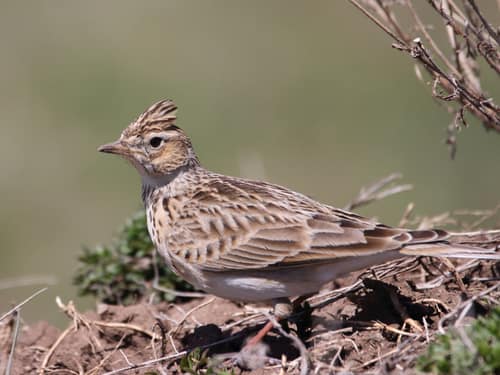
Look-alike (c) Ani Sarkisyan, some rights reserved (CC BY), uploaded by Ani Sarkisyan · cc-by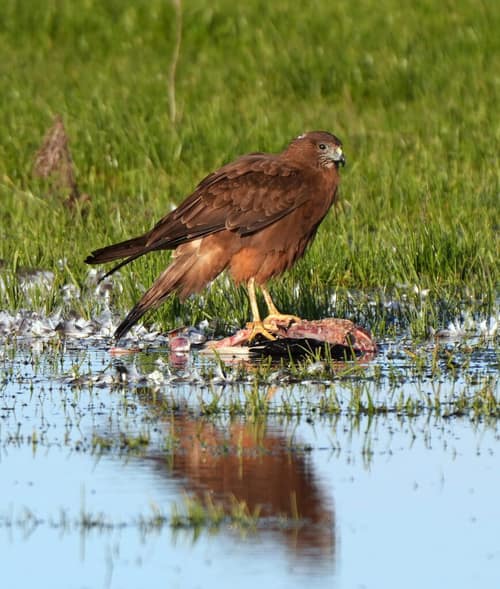
Predator (c) William Harland, some rights reserved (CC BY), uploaded by William Harland · cc-by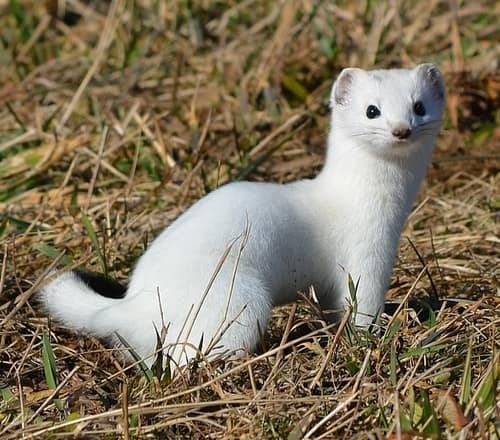
Predator (c) E. A., some rights reserved (CC BY), uploaded by E. A. · cc-by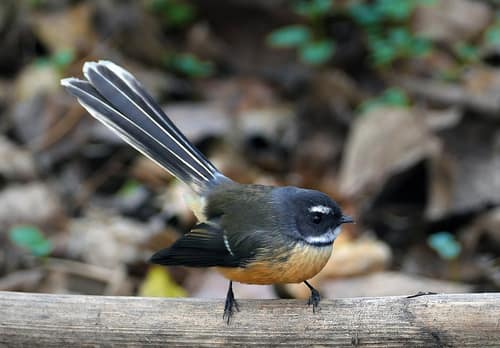
Native Neighbor Bernard Spragg. NZ from Christchurch, New Zealand / CC0 · cc0
Help improve the field guideSomething wrong?
Checking your Fauna account…Report a name, category, or profile issue for review.