
Bird
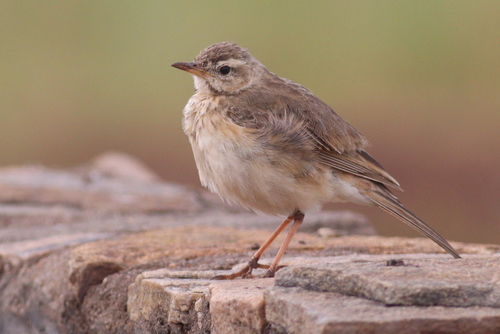
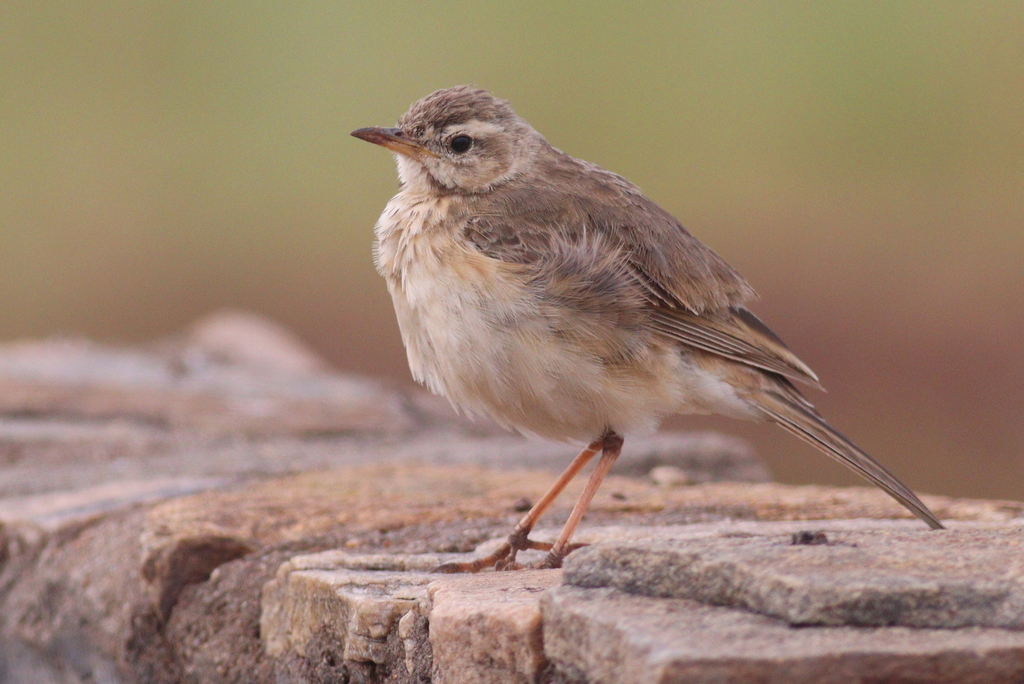
Plain-backed Pipit
Anthus leucophrysAlso known as Plain Pipit
Plain-backed pipits walk deliberately across open terrain with a distinctive upright posture, regularly pumping their tails while searching for terrestrial insects. Males perform fluttering display flights, ascending steeply before parachuting down to an anthill, fence post, or prominent grass tussock while uttering a sharp, repetitive song. Well-concealed cup nests are built directly into depressions on the ground beneath dense grass clumps.
Grassland BirdInsectivorousTerrestrial
—observations
—countries
—peak records
Least ConcernConservation statusIUCN Red List categoriesLCNTVUENCREWEXLeast ConcernRed List categories, explained →
Diet & preyBeetles, Grasshoppers, Termites
Predators
- Lanner Falcon
- Black-winged Kite
- African Grass Owl
ThreatsHabitat alteration from overgrazing, intensive crop cultivation, and frequent unseasonal fires
HabitatsOpen grasslands, moist savannas, pastures, and dambo marsh edges
Life span3–6 years
Classification
- OrderPasseriformes
- FamilyMotacillidae
- GenusAnthus
- SpeciesAnthus leucophrys
Range data is not available yet.
Interaction riskLow
- Low
- Moderate
- High
- Very high
- Why interaction risk is low
- Safe to observe at a normal distance.
Responsible observation
- Field Identification: Check the back and mantle for an unstreaked, uniform brown wash to separate it from look-alike pipits.
- Viewing Etiquette: Scan fence lines and termitaria with binoculars to avoid flushing ground-nesting birds.
- Acoustic Clues: Listen for its sharp, repetitive call notes delivered from an elevated perch or during flight display.
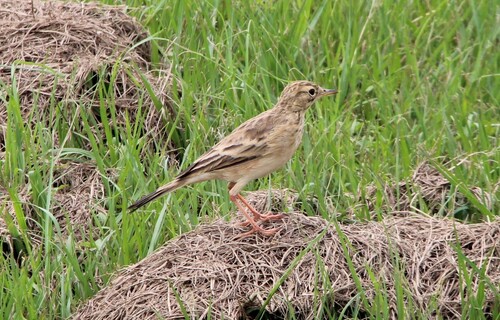
Close Relative no rights reserved · cc0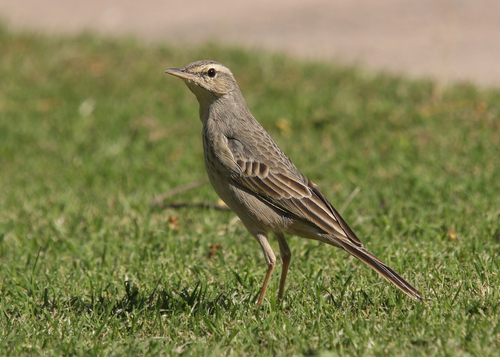
Close Relative (c) Christoph Moning, some rights reserved (CC BY), uploaded by Christoph Moning · cc-by Image unavailable
Close Relative Same Family
Help improve the field guideSomething wrong?
Checking your Fauna account…Report a name, category, or profile issue for review.