
Bird · GBIF taxon 2489613
Black-and-white Warbler
Mniotilta variaAlso known as Black-and-white Creeper, Pied Warbler
Black-and-white warblers behave more like nuthatches than typical wood-warblers, creeping along tree trunks and large limbs to glean insects tucked deep inside bark crevices. Males sing a high-pitched song resembling a squeaky wheel while defending nesting territories in mature deciduous forests. These long-distance migrants traverse vast stretches of the Americas each year, often traveling individually or alongside mixed-species winter flocks.
MigratoryInsectivoreSongbird
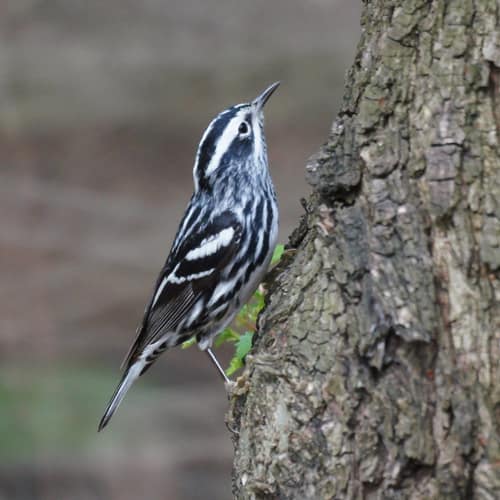
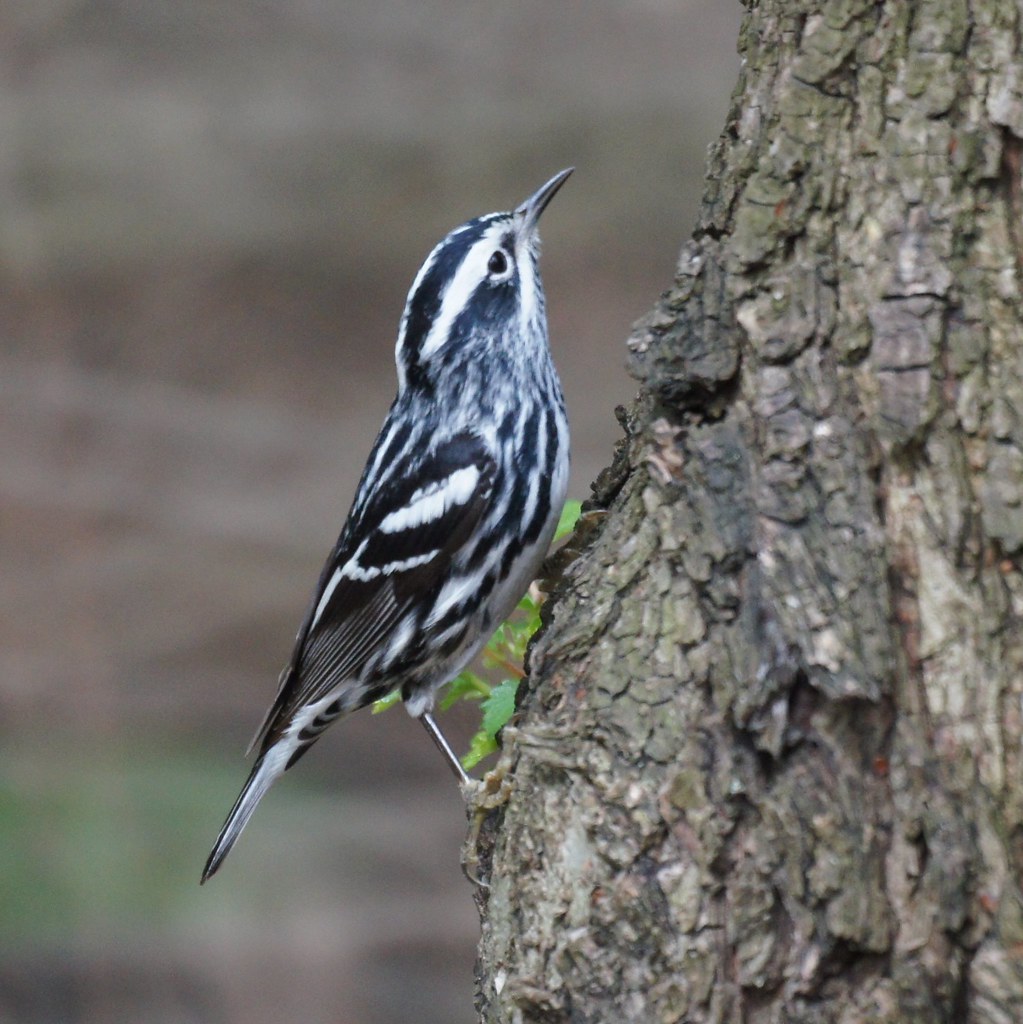
—observations
—countries
—peak records
Least ConcernConservation statusIUCN Red List categoriesLCNTVUENCREWEXLeast ConcernRed List categories, explained →
Diet & prey
- Caterpillars
- Spiders
- Bark beetles
Predators
- Sharp-shinned hawks
- Domestic cats
- Blue jays
ThreatsForest fragmentation and glass window collisions
HabitatsDeciduous and mixed forests
Life spanUp to 11 years
Size / weightNot available
Classification
- FamilyParulidae
- SpeciesMniotilta varia
Range data is not available yet.
Interaction riskLow
- Low
- Moderate
- High
- Very high
- Why interaction risk is low
- Safe to observe at a normal distance.
Responsible observation
- Song Identification: Listen for a high-pitched, squeaky song echoing through woodland trunks in spring.
- Observing Behavior: Scan tree trunks and heavy lower branches rather than the outer canopy foliage.
- Nesting Safety: Keep a respectful distance from cup nests tucked into leaf litter on the forest floor.
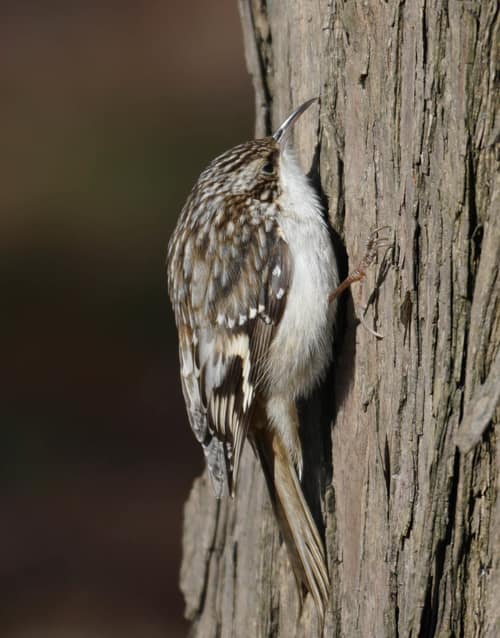
Niche Competitor (c) Carrie Seltzer, some rights reserved (CC BY), uploaded by Carrie Seltzer · cc-by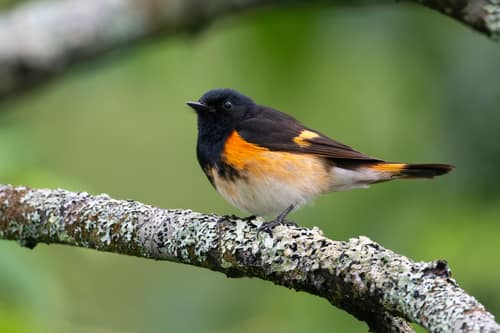
Migratory Companion no rights reserved, uploaded by Adam Jackson · cc0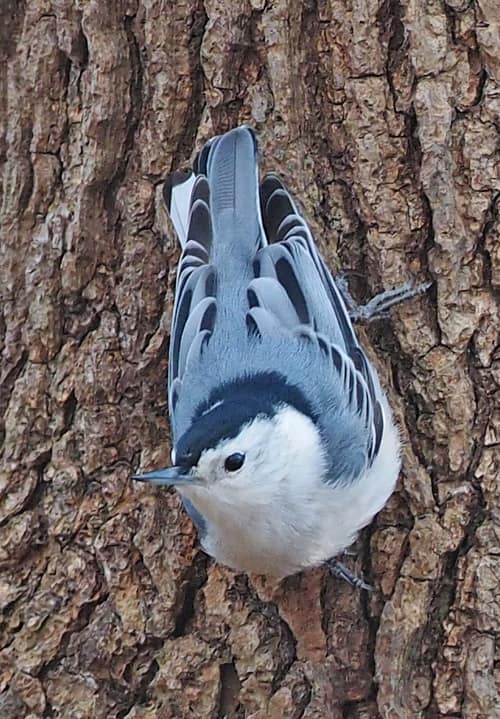
Niche Competitor (c) Judy Gallagher, some rights reserved (CC BY) · cc-by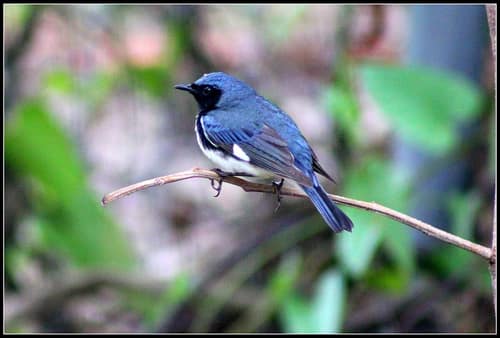
Close Relative cuatrok77 / CC BY 2.0 · cc-by
Help improve the field guideSomething wrong?
Checking your Fauna account…Report a name, category, or profile issue for review.