
Bird
Blue-winged Pitta
Pitta moluccensisAlso known as Lesser Blue-winged Pitta, Moluccan Pitta
Blue-winged pittas spend most of their time hopping purposefully across leaf litter on long legs, probing moist soil for earthworms and snails. During the spring breeding season, males perch high on open forest branches to deliver explosive, two-note whistling calls that carry far through the understory. Northern populations migrate long distances at night, occasionally turning up exhausted in urban gardens and coastal parks across Southeast Asia during peak passage.
ColorfulMigratoryGround Dweller
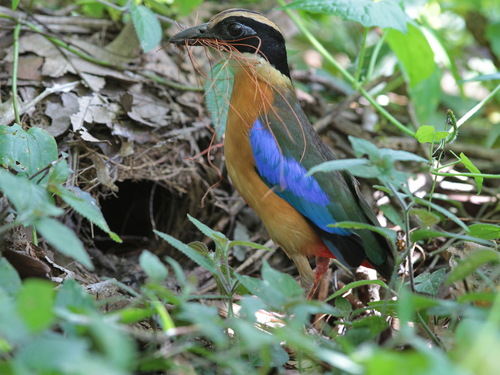
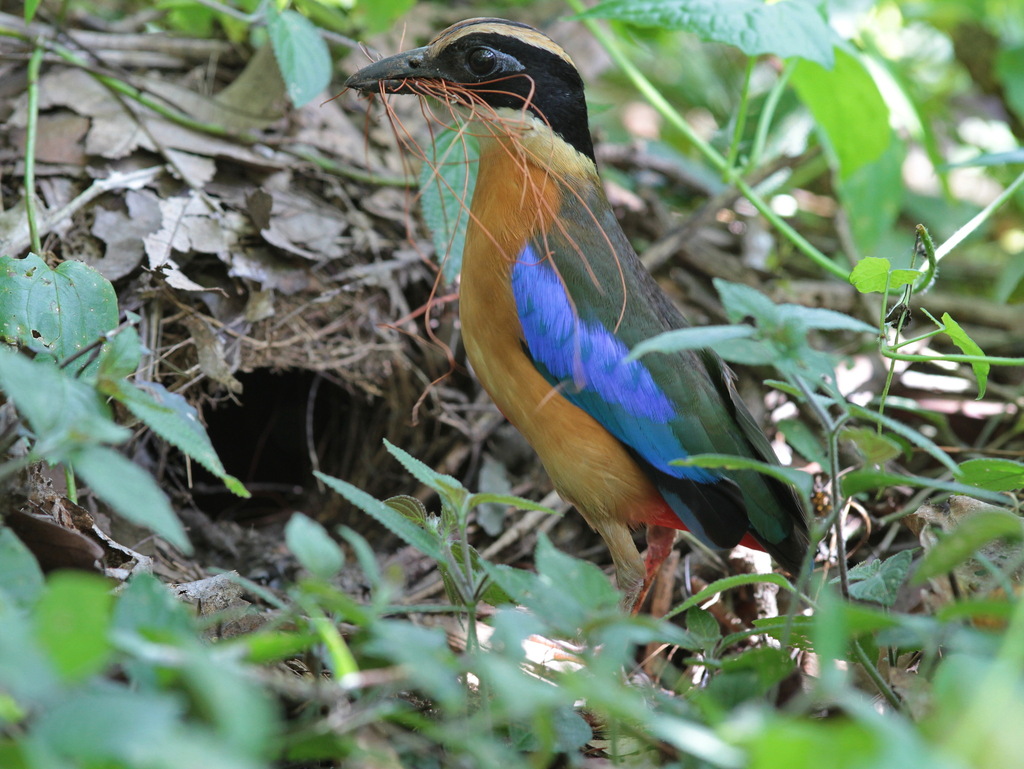
—observations
—countries
—peak records
Least ConcernConservation statusIUCN Red List categoriesLCNTVUENCREWEXLeast ConcernRed List categories, explained →
Diet & preyEarthworms, Land snails, Beetles
Predators
- Birds of prey
- Snakes
- Civets
ThreatsHabitat loss from forest fragmentation, pesticide use, and light pollution during night migration
HabitatsMoist secondary forest, deciduous woodlands, plantations, parks, and mangroves
Life span5–8 years
Classification
- FamilyPittidae
- SpeciesPitta moluccensis
Range data is not available yet.
Interaction riskLow
- Low
- Moderate
- High
- Very high
- Why interaction risk is low
- Safe to observe at a normal distance.
Responsible observation
- Listen for Calls: Locate individuals by listening for their loud, double-whistled call from mid-level perches at dawn.
- Scan the Ground: Search quiet patches of damp leaf litter along shaded forest edges where they forage.
- Keep Quiet: Move slowly and stay behind low vegetation to avoid spooking them into flight.
Same Genus (c) Gerard Chartier, some rights reserved (CC BY) · cc-by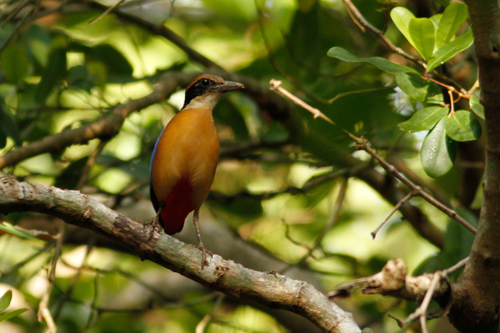
Close Relative (c) Julien Renoult, some rights reserved (CC BY), uploaded by Julien Renoult · cc-by
Close Relative (c) Jono, some rights reserved (CC BY) · cc-by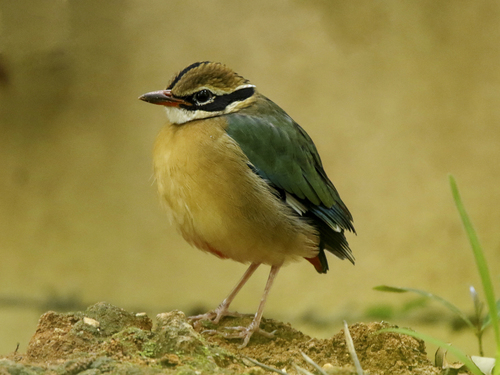
Close Relative (c) Subhadra Devi, some rights reserved (CC BY) · cc-by
Help improve the field guideSomething wrong?
Checking your Fauna account…Report a name, category, or profile issue for review.