
Bird
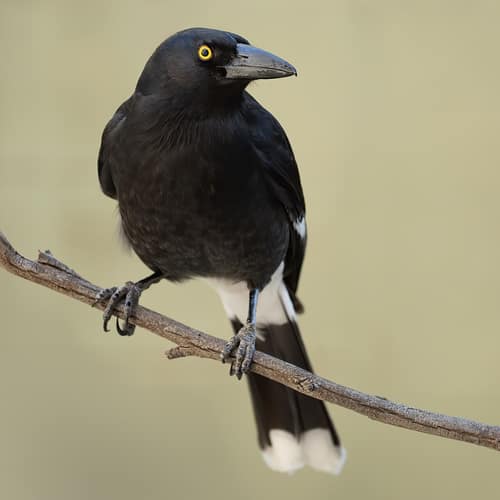
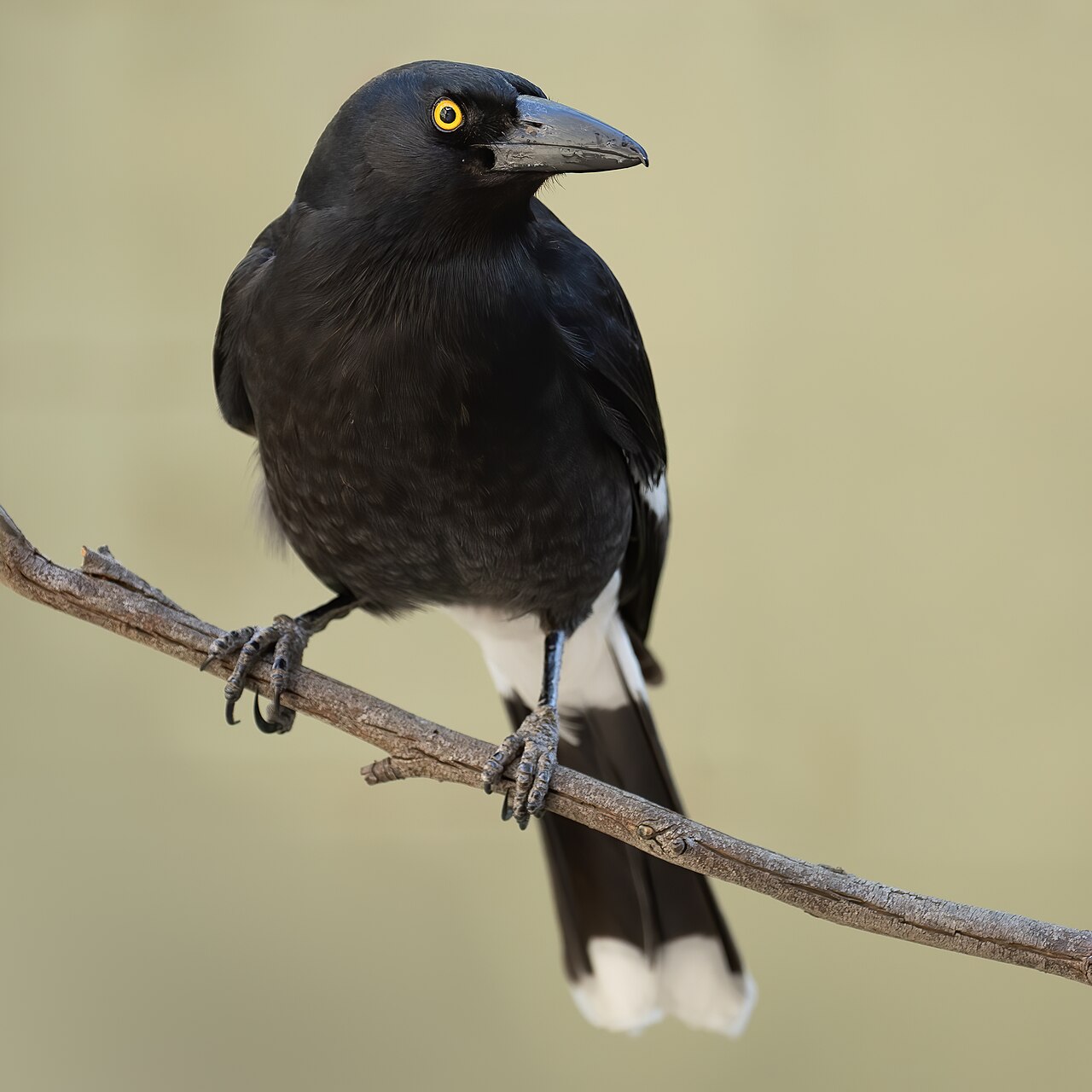
Pied Currawong
Strepera graculinaAlso known as Black Magpie, Pied Crow-shrike, Bell-magpie
Pied currawongs fill eastern Australian forests and urban parklands with ringing, musical calls that give the species its onomatopoeic Indigenous name. These intelligent omnivores forage across all canopy layers, caching excess food in tree crevices and forming nomadic flocks during the colder winter months. During the breeding season, pairs become highly territorial, aggressively hunting small vertebrates and nestlings to provision their young.
VocalOmnivoreCanopy Dweller
—observations
—countries
—peak records
Least ConcernConservation statusIUCN Red List categoriesLCNTVUENCREWEXLeast ConcernRed List categories, explained →
Diet & preyFleshy Berries, Insects and Grubs, Bird Nestlings
Predators
- Powerful Owl
- Wedge-tailed Eagle
- Lace Monitor
ThreatsHabitat fragmentation, secondary poisoning, vehicle collisions
HabitatsEucalypt forests, woodlands, rainforest margins, urban parks, gardens
Life span15–20 years
Classification
- FamilyCracticidae
- SpeciesStrepera graculina
Range data is not available yet.
Interaction riskLow
- Low
- Moderate
- High
- Very high
- Why interaction risk is low
- Safe to observe at a normal distance.
Responsible observation
- Listen for Calls: Tune your ear to double-noted, resonant bell-like cries echoed across wooded ridges.
- Observe Foraging: Look in fruiting native trees and shrubs where small winter flocks gather to feed.
- Avoid Feeding: Refrain from offering meat scraps, which can encourage dependency and aggressive scavenging.
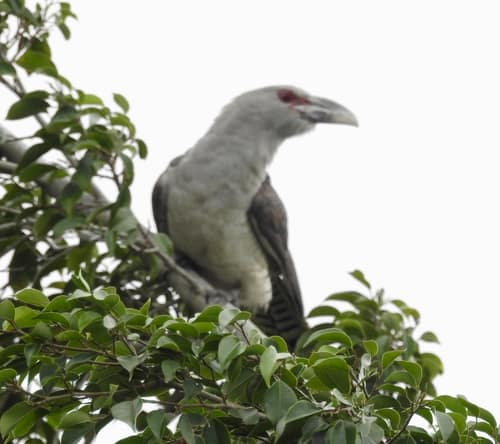
Parasite no rights reserved, uploaded by neotrigonia · cc0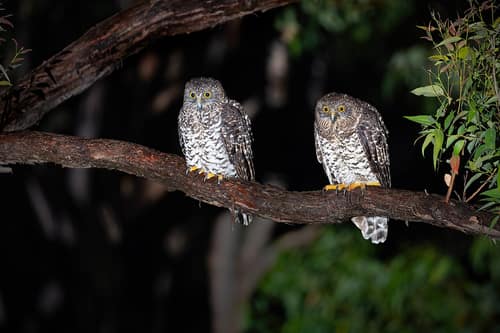
Predator JJ Harrison / CC BY-SA 4.0 · cc-by-sa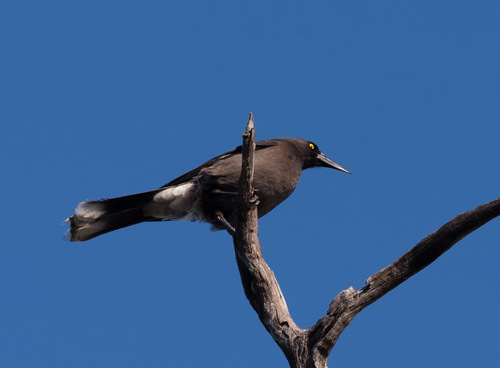
Close Relative (c) Rolf Lawrenz, some rights reserved (CC BY), uploaded by Rolf Lawrenz · cc-by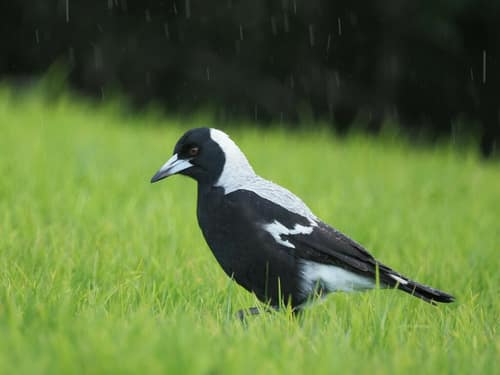
Family Member (c) Saryu Mae 前 朝琉, some rights reserved (CC BY), uploaded by Saryu Mae 前 朝琉 · cc-by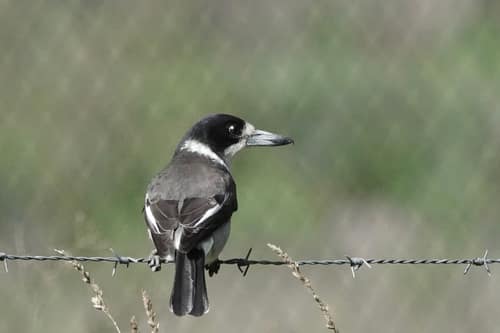
Family Member no rights reserved, uploaded by John Cull · cc0
Help improve the field guideSomething wrong?
Checking your Fauna account…Report a name, category, or profile issue for review.