
Bird · GBIF taxon 2489440
Grey Butcherbird
Cracticus torquatusAlso known as Whistling Jack
Grey butcherbirds are bold, vocal songbirds named for their habit of impaling prey on thorns or wedging it in tree forks to consume later. Their complex, melodious calls echo through open woodlands, scrublands, and suburban gardens across southern Australia. Pairs defend permanent territories year-round, using heavy hooked bills to capture insects, small reptiles, and birds.
SongbirdPredatoryEndemic
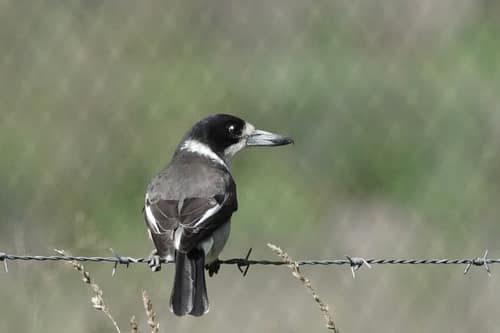
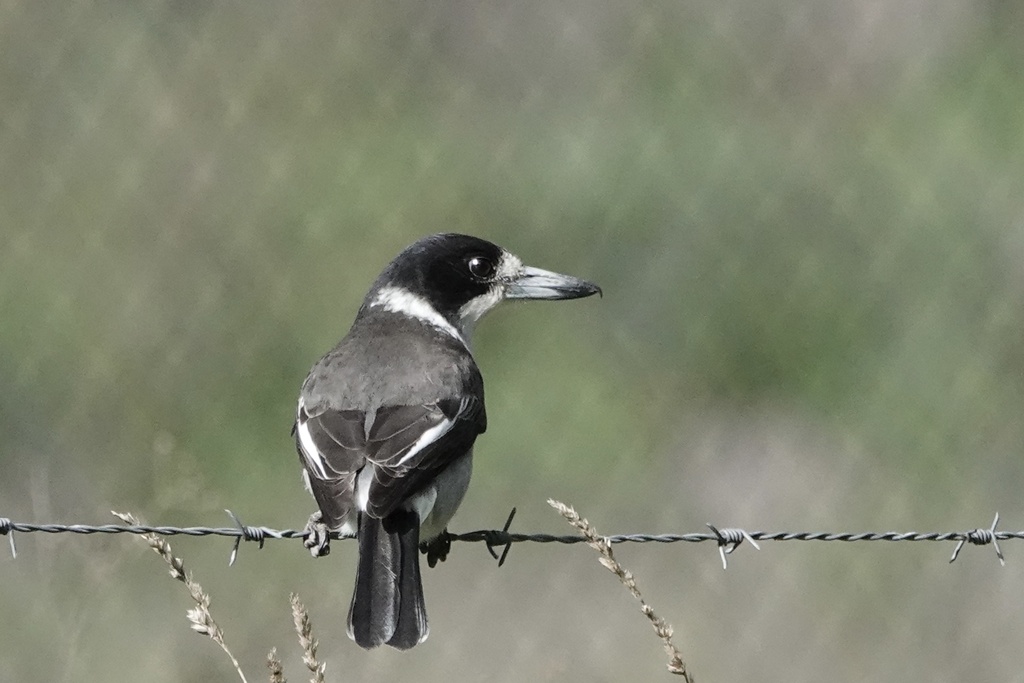
—observations
—countries
—peak records
Least ConcernConservation statusIUCN Red List categoriesLCNTVUENCREWEXLeast ConcernRed List categories, explained →
Diet & prey
- Insects
- Small lizards
- Small birds
Predators
- Goannas
- Large birds of prey
- Feral cats
ThreatsPredation by feral cats, clearing of native woodland, and road traffic
HabitatsEucalypt forests, woodlands, scrublands, and suburban gardens
Life span10–15 years
Size / weightNot available
Classification
- OrderPasseriformes
- FamilyCracticidae
- GenusCracticus
- SpeciesCracticus torquatus
Range data is not available yet.
Interaction riskLow
- Low
- Moderate
- High
- Very high
- Why interaction risk is low
- May swoop aggressively near nests during spring; observe from a respectful distance.
Responsible observation
- Nesting awareness: Give active nest trees a wide berth in spring to prevent swooping encounters.
- Vocal cues: Listen for rich, rolling songs along forest edges and suburban parklands.
- Foraging sites: Scan fork-shaped branches and fence posts for stored prey items.
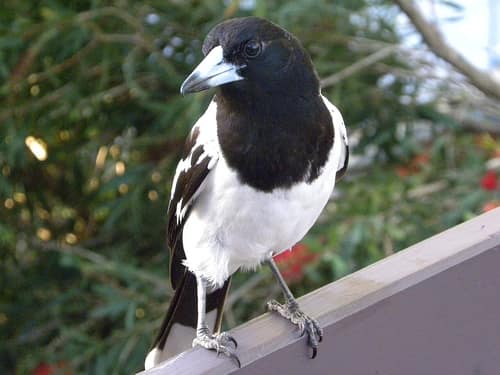
Close Relative Vicki Nunn / CC BY-SA 4.0 · cc-by-sa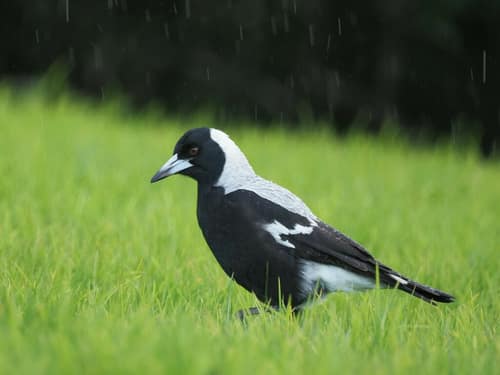
Family Relative (c) Saryu Mae 前 朝琉, some rights reserved (CC BY), uploaded by Saryu Mae 前 朝琉 · cc-by Image unavailable
Close Relative 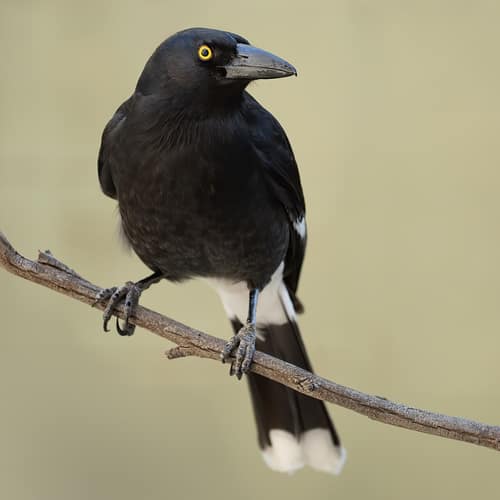
Family Relative JJ Harrison (https://www.jjharrison.com.au/) / CC BY-SA 4.0 · cc-by-sa
Help improve the field guideSomething wrong?
Checking your Fauna account…Report a name, category, or profile issue for review.