
Bird
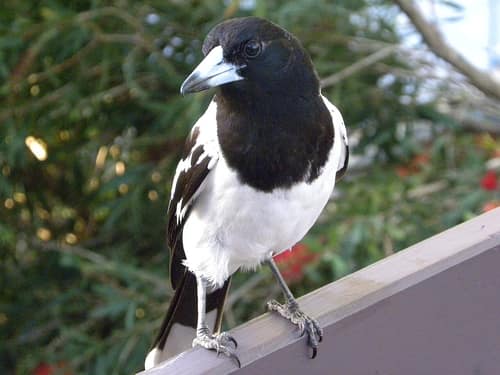
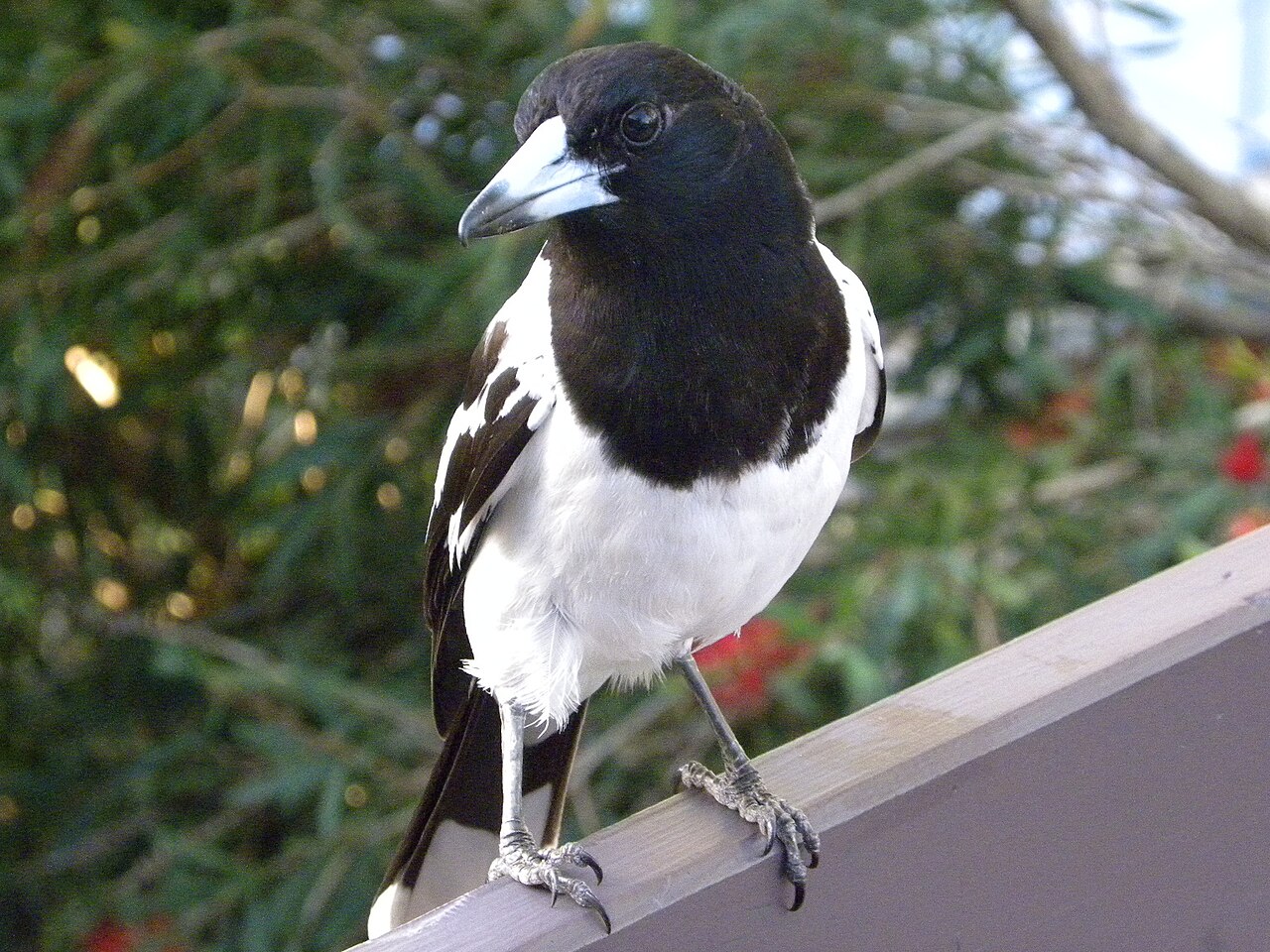
Pied Butcherbird
Cracticus nigrogularisAlso known as Black-throated Butcherbird
Renowned for one of the most musical and complex songs in the avian world, Pied Butcherbirds often perform rich, flute-like duets at dawn to defend their year-round territories. They hunt using a sit-and-wait strategy from exposed perches, swooping down to seize prey before wedging larger catches into tree forks or thorny shrubs to tear into bite-sized morsels. Pairs form enduring bonds and frequently raise offspring cooperatively, with juveniles staying to help provision subsequent broods.
SongbirdCarnivorousMelodic
—observations
—countries
—peak records
Least ConcernConservation statusIUCN Red List categoriesLCNTVUENCREWEXLeast ConcernRed List categories, explained →
Diet & preyLarge insects, Small lizards, Nestling birds
Predators
- Feral cats
- Red foxes
- Birds of prey
ThreatsHabitat clearance, vehicle strikes, and secondary pesticide poisoning
HabitatsEucalypt woodlands, acacia scrublands, farmland, and urban parks
Life span10–20 years
Classification
- OrderPasseriformes
- FamilyCracticidae
- GenusCracticus
- SpeciesCracticus nigrogularis
Range data is not available yet.
Interaction riskLow
- Low
- Moderate
- High
- Very high
- Why interaction risk is low
- Safe to observe at a normal distance.
Responsible observation
- Listening: Tune in at dawn to hear their rich, organ-like territorial duets ringing across the canopy.
- Hunting Cues: Watch tree forks and wire fences for wedged prey caches that reveal active hunting perches.
- Nesting Season: Keep a respectful buffer around nesting trees in spring to avoid disturbing brooding parents.
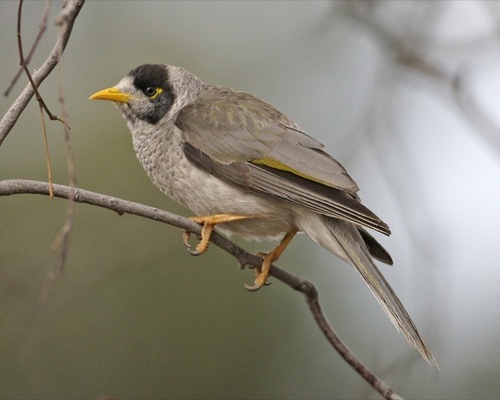
Competitor (c) Lip Kee Yap, some rights reserved (CC BY-SA) · cc-by-sa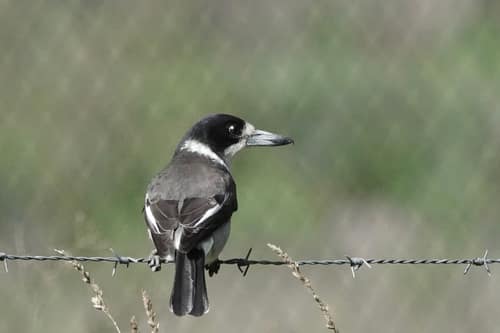
Close Relative no rights reserved, uploaded by John Cull · cc0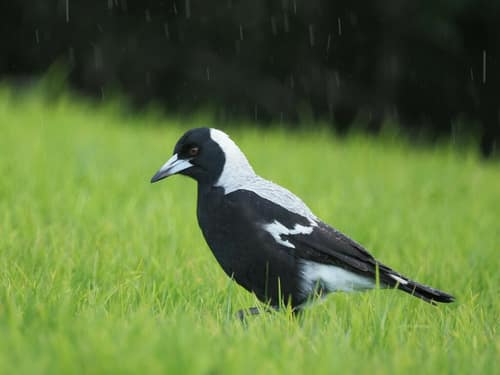
Family Member (c) Saryu Mae 前 朝琉, some rights reserved (CC BY), uploaded by Saryu Mae 前 朝琉 · cc-by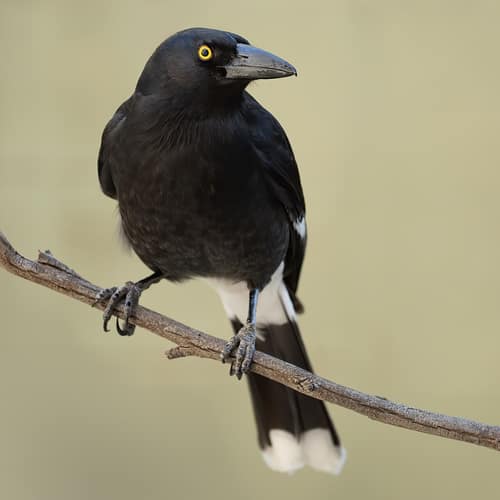
Family Member JJ Harrison (https://www.jjharrison.com.au/) / CC BY-SA 4.0 · cc-by-sa
Help improve the field guideSomething wrong?
Checking your Fauna account…Report a name, category, or profile issue for review.