
Bird · GBIF taxon 2489214
Common House Martin
Delichon urbicumAlso known as Western House Martin, Northern House Martin, House Martin
Common house martins build distinctive enclosed mud nests tucked under the eaves of buildings, bridge arches, and cliff faces across Europe and Asia. These highly social aerial insectivores spend almost all their time airborne, hunting small insects in synchronized feeding flocks. During autumn, entire populations migrate thousands of kilometers across the Sahara Desert to winter in sub-Saharan Africa.
MigratoryInsectivoreSocial
—observations
—countries
—peak records
Least ConcernConservation statusIUCN Red List categoriesLCNTVUENCREWEXLeast ConcernRed List categories, explained →
Diet & prey
- Midges and Flies
- Aphids
- Small Beetles
Predators
- Eurasian Hobby
- Barn Owl
- Domestic Cat
ThreatsLoss of nesting sites from modern building design, pesticide reduction of prey
HabitatsUrban and rural settlements, farmlands, open fields, coastal cliffs
Life span2–5 years
Size / weightNot available
Classification
- FamilyHirundinidae
- SpeciesDelichon urbicum
Range data is not available yet.
Interaction riskLow
- Low
- Moderate
- High
- Very high
- Why interaction risk is low
- Safe to observe at a normal distance.
- What to notice
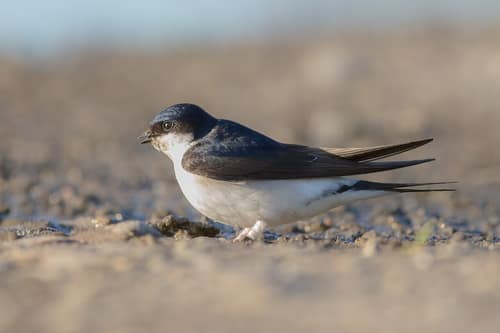
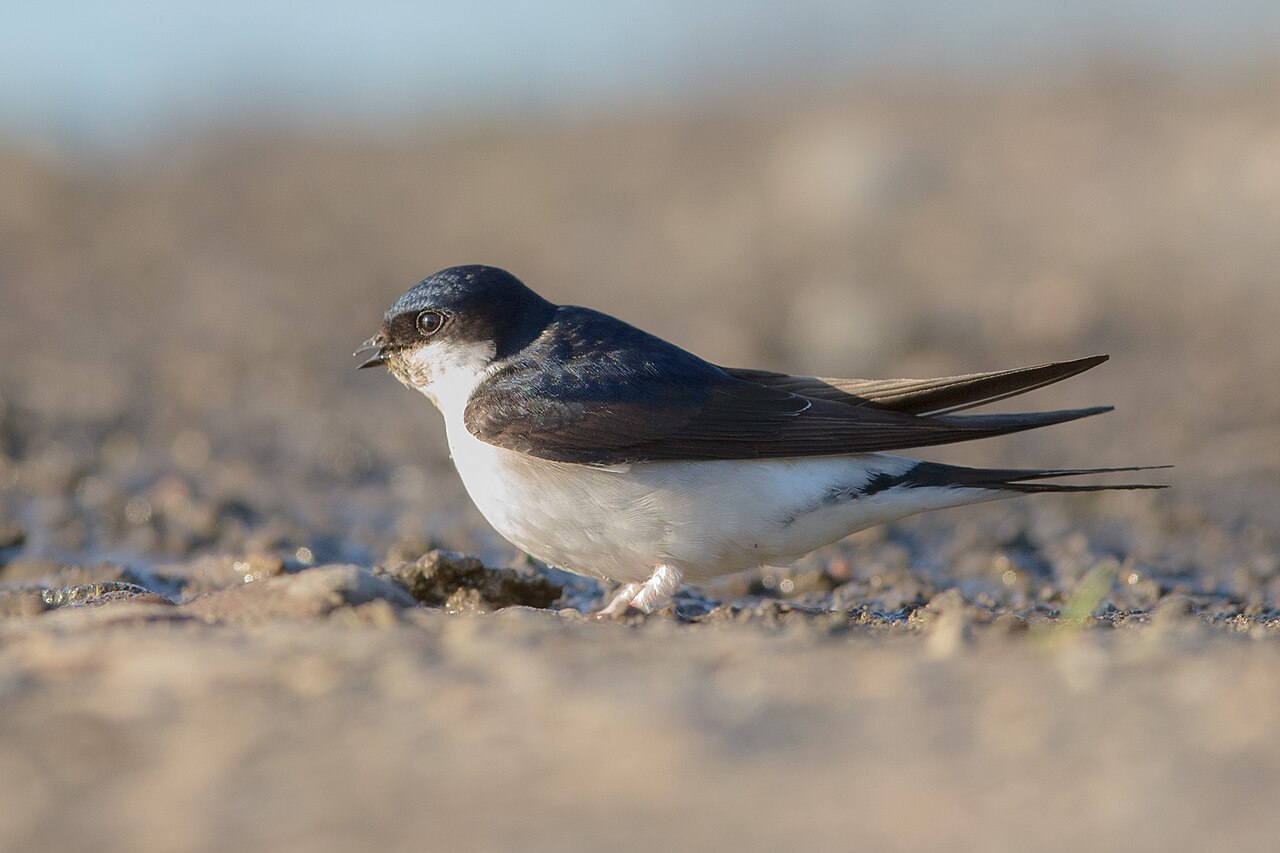
- Recognizable by its clean white underparts, white feather-covered feet, and bright white rump.
- Support conservation
- Keep clear of active nest colonies under roof eaves, especially while parents are feeding hatchlings.
Responsible observation
- Identification: Look for the stark white rump patch contrasting with glossy blue-black upperparts.
- Nest Support: Leave a patch of damp soil nearby in spring so adults can gather mud for nests.
- Observing Etiquette: Enjoy active nest sites under eaves from a few meters away without disturbing parents.
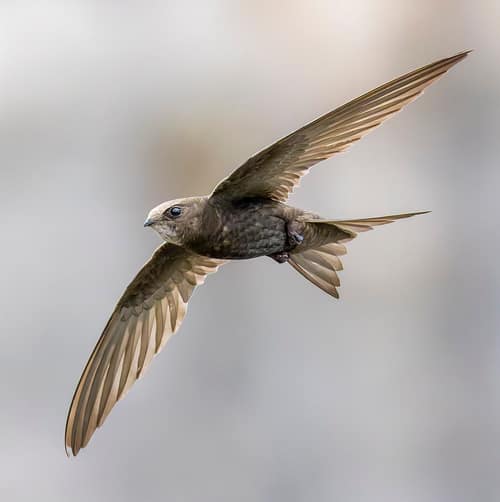
Competitor Alexis Lours / CC BY 4.0 · cc-by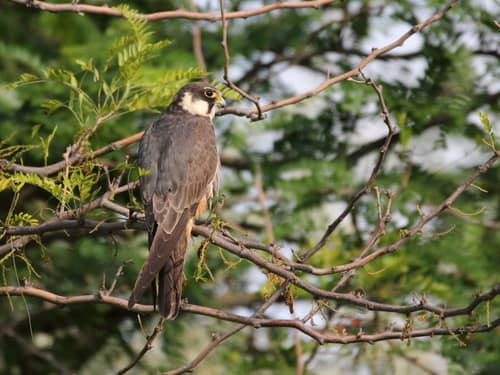
Predator (c) Ani Sarkisyan, some rights reserved (CC BY), uploaded by Ani Sarkisyan · cc-by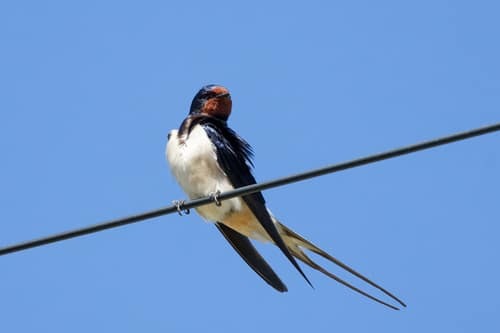
Close Relative (c) Donald Davesne, some rights reserved (CC BY), uploaded by Donald Davesne · cc-by Image unavailable
Close Relative 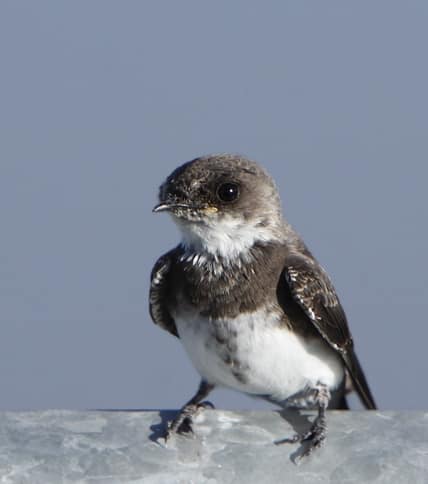
Close Relative Alan Vernon / CC BY 2.0 · cc-by
Help improve the field guideSomething wrong?
Checking your Fauna account…Report a name, category, or profile issue for review.