
Bird · GBIF taxon 2489005
Common Myna
Acridotheres tristisAlso known as Indian Myna, Common Mynah, House Myna
Common mynas thrive in close proximity to human settlements, strutting confidently along city pavements and open lawns in noisy pairs or small family groups. Highly vocal and inventive mimickers, they communicate through a diverse repertoire of croaks, squawks, liquid chirps, and imitations of surrounding urban sounds. Their aggressive territorial behavior and competition for nesting cavities have made them one of the world's most successful invasive birds outside their native Asian range.
Urban AdaptableVocalistInvasive
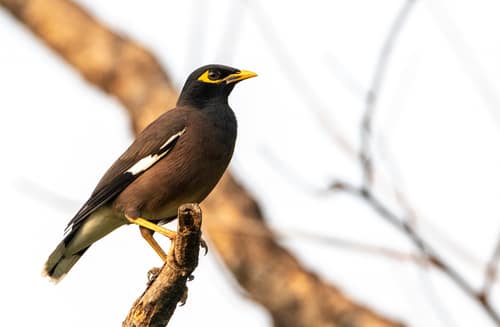
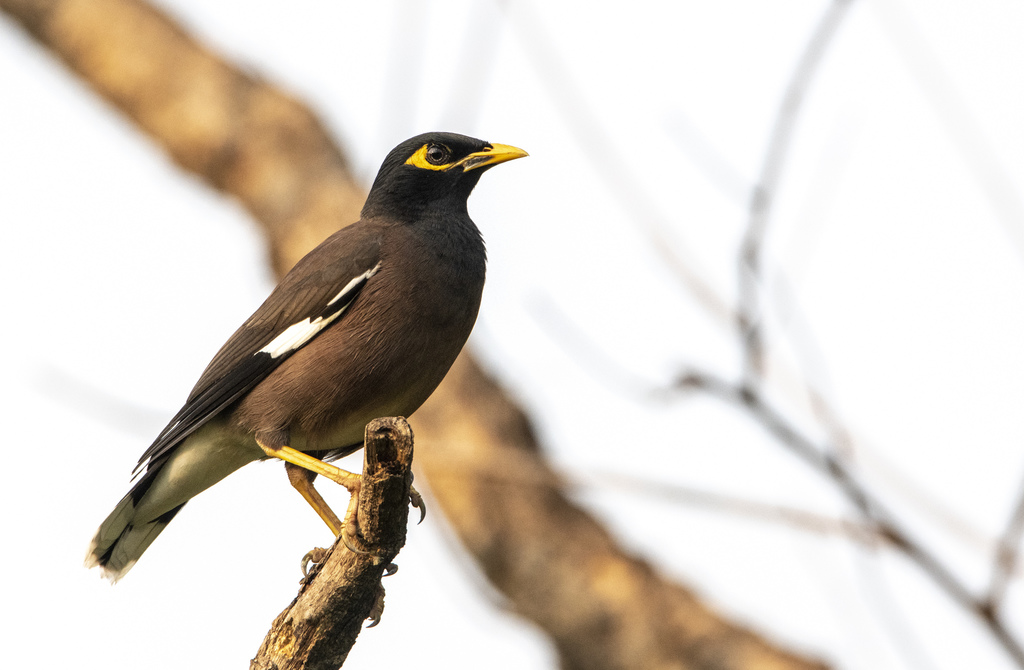 1 / 7
1 / 7—observations
—countries
—peak records
Least ConcernConservation statusIUCN Red List categoriesLCNTVUENCREWEXLeast ConcernRed List categories, explained →
Diet & prey
- Insects
- Fruits
- Small Lizards
Predators
- Domestic Cats
- Raptors
- Snakes
ThreatsLocal eradication and pest management programs in invasive areas
HabitatsUrban areas, agricultural land, open woodland, grasslands
Life span4–12 years
Classification
- OrderPasseriformes
- FamilySturnidae
- GenusAcridotheres
- SpeciesAcridotheres tristis
Range data is not available yet.
Interaction riskLow
- Low
- Moderate
- High
- Very high
- Why interaction risk is low
- May peck or scratch if cornered or handled; observe quietly from a distance.
Responsible observation
- Urban Observation: Look for roosting pairs on building ledges, streetlights, and open turf during daylight hours.
- Cavity Nesting: Protect native bird nest boxes with restricted entrances to prevent myna displacement.
- Managing Food: Secure trash receptacles and outdoor pet food to avoid attracting opportunistic flocks.
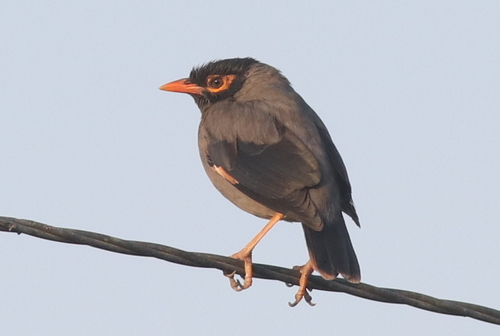
Close Relative (c) Jan Ebr & Ivana Ebrová, some rights reserved (CC BY), uploaded by Jan Ebr & Ivana Ebrová · cc-by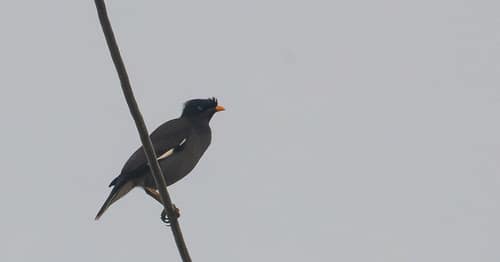
Close Relative (c) white_cheeked_barbet, some rights reserved (CC BY) · cc-by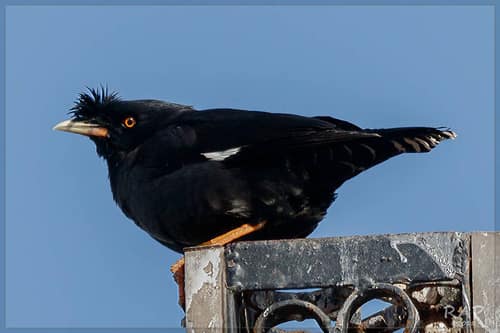
Close Relative (c) RAP, some rights reserved (CC BY), uploaded by RAP · cc-by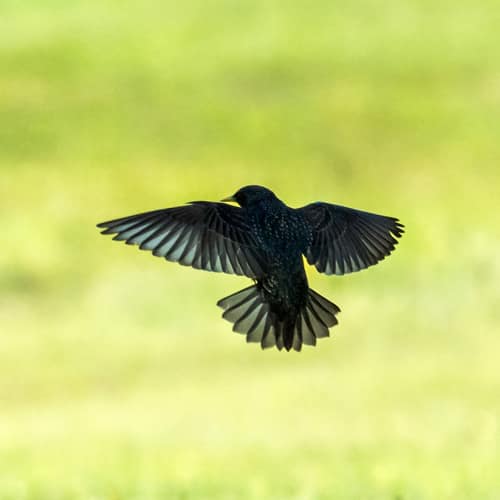
Family Member (c) Shiva Shenoy, some rights reserved (CC BY), uploaded by Shiva Shenoy · cc-by
Help improve the field guideSomething wrong?
Checking your Fauna account…Report a name, category, or profile issue for review.