
Bird
Green-headed Tanager
Tangara seledonGreen-headed tanagers move through the Atlantic Forest canopy in lively pairs or small family groups, frequently associating with mixed-species foraging flocks. They glean fruits and berries from tree crowns while acrobatically hunting insects hidden beneath leaves or clinging to bark crevices. Breeding pairs build cup-shaped nests hidden in dense bromeliads or epiphytes, where both parents aggressively defend their territory while raising their brood.
ColorfulCanopy DwellerFrugivore
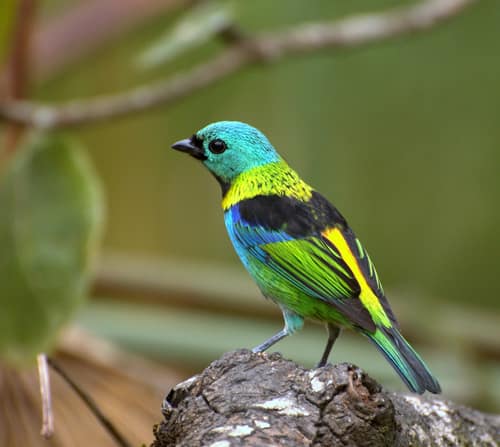
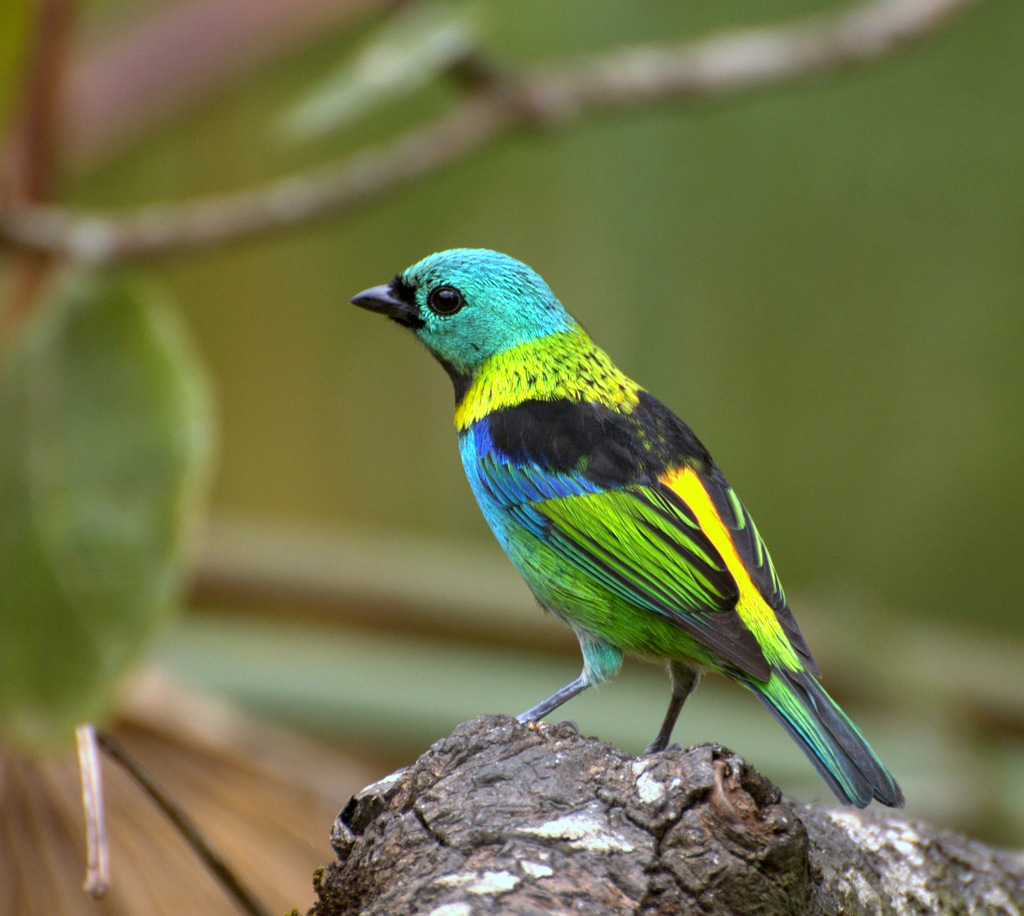
—observations
—countries
—peak records
Least ConcernConservation statusIUCN Red List categoriesLCNTVUENCREWEXLeast ConcernRed List categories, explained →
Diet & preyWild fig fruits, Miconia berries, Caterpillars and small spiders
Predators
- Channel-billed Toucan
- Bicolored Hawk
- Jararaca
ThreatsHabitat fragmentation and deforestation within the Atlantic Forest biome
HabitatsSubtropical and tropical moist lowland and montane forests
Life span5–8 years
Classification
- FamilyThraupidae
- SpeciesTangara seledon
Range data is not available yet.
Interaction riskLow
- Low
- Moderate
- High
- Very high
- Why interaction risk is low
- Safe to observe at a normal distance.
Responsible observation
- Observation Timing: Watch fruiting trees, especially Cecropia and figs, early in the morning when flock activity peaks.
- Binocular Distance: Keep binoculars trained on the mid-to-high canopy where these birds spend the majority of their time.
- Feeder Etiquette: If visiting eco-lodges with fruit feeders, maintain a quiet distance to allow birds to feed undisturbed.
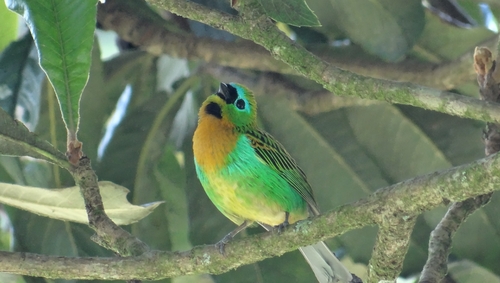
Same Genus (c) Lucas Lopes, some rights reserved (CC BY) · cc-by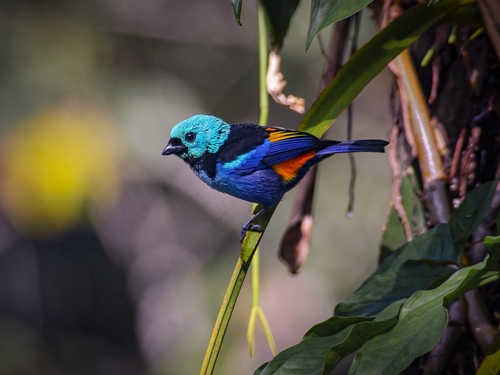
Same Genus (c) Renato Bandeira, some rights reserved (CC BY), uploaded by Renato Bandeira · cc-by Image unavailable
Close Relative Close Relative
Help improve the field guideSomething wrong?
Checking your Fauna account…Report a name, category, or profile issue for review.