
Bird · GBIF taxon 2487793
Boreal Chickadee
Poecile hudsonicusAlso known as Brown-capped Chickadee, Hudsonian Titmouse
Boreal chickadees endure harsh subarctic winters by caching thousands of conifer seeds and insects under bark scales and lichens during autumn. Their trademark rasping, nasal calls sound notably lower and wheezier than the whistles of temperate relatives. Mated pairs maintain year-round territories, excavating nest cavities in rotten softwood snags lined with thick pads of moss and mammal fur.
SongbirdBorealCavity Nester
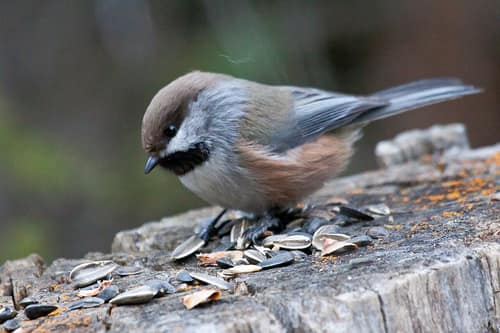
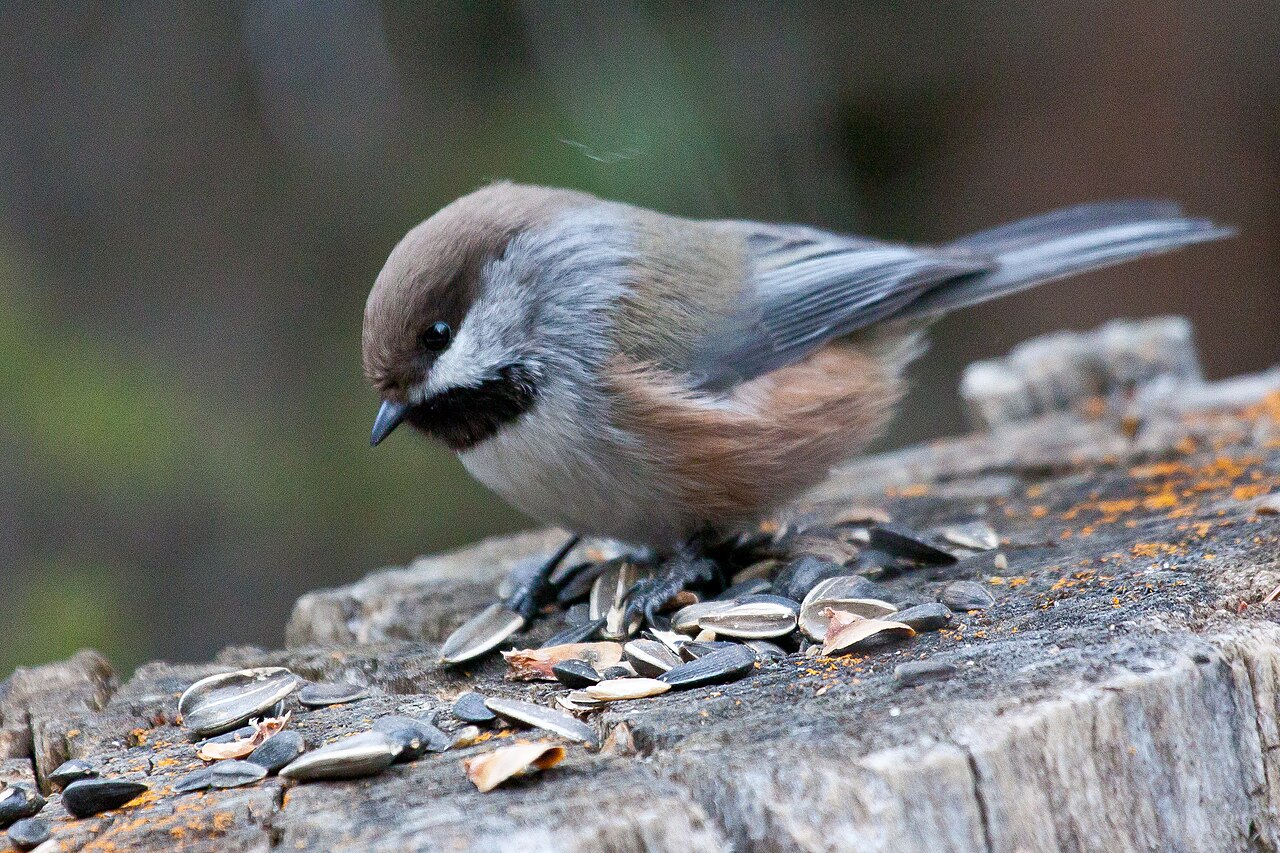
—observations
—countries
—peak records
Least ConcernConservation statusIUCN Red List categoriesLCNTVUENCREWEXLeast ConcernRed List categories, explained →
Diet & prey
- Spruce Seeds
- Caterpillars
- Spiders
Predators
- Sharp-shinned Hawk
- Northern Shrike
- Boreal Owl
ThreatsBoreal clearcutting, climate change, and insect infestations
HabitatsDense spruce-fir forests, taiga, and muskeg bogs
Life span4–8 years
Classification
- FamilyParidae
- SpeciesPoecile hudsonicus
Range data is not available yet.
Interaction riskLow
- Low
- Moderate
- High
- Very high
- Why interaction risk is low
- Safe to observe at a normal distance.
Responsible observation
- Pishing Response: Try soft pishing sounds, which reliably bring curious birds close to investigate.
- Acoustic Clues: Listen for a slow, husky wheeze rather than crisp whistled calls.
- Winter Feeders: Attract them in northern towns using black oil sunflower seeds and suet blocks.
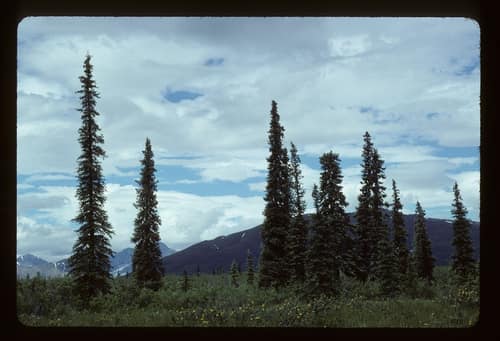
Food Source (c) Douglas Goldman, some rights reserved (CC BY-SA), uploaded by Douglas Goldman · cc-by-sa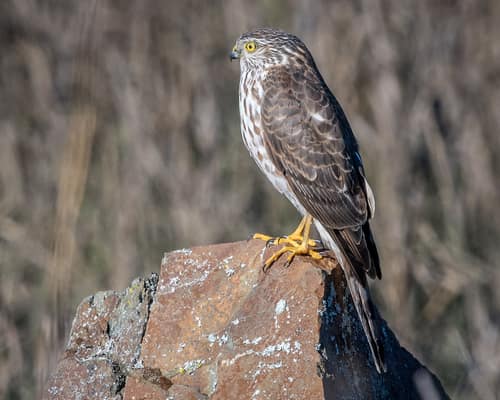
Predator "Sharp-Shinned Hawk (juvenile)" by Becky Matsubara is licensed under CC BY 2.0. To view a copy of this license, visit https://creativecommons.org/licenses/by/2.0/. · cc-by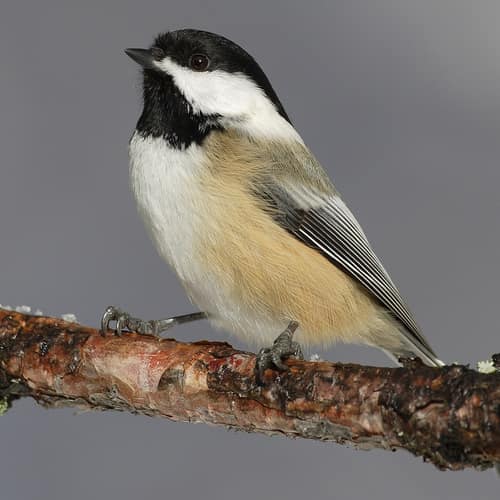
Close Relative No machine-readable author provided. Mdf assumed (based on copyright claims). / CC BY-SA 3.0 · cc-by-sa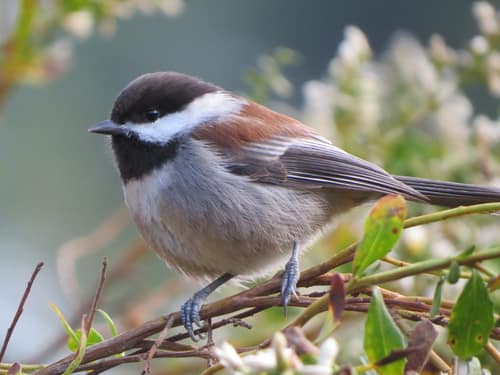
Close Relative (c) Garth Harwood, some rights reserved (CC BY), uploaded by Garth Harwood · cc-by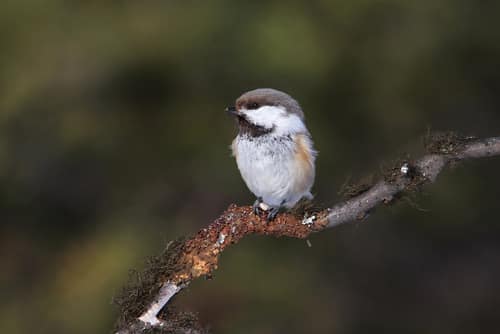
Close Relative (c) Christoph Moning, some rights reserved (CC BY), uploaded by Christoph Moning · cc-by
Help improve the field guideSomething wrong?
Checking your Fauna account…Report a name, category, or profile issue for review.