
Bird
Bell Miner
Manorina melanophrysAlso known as Bellbird
Bell miners live in tight-knit, fiercely territorial colonies across eucalypt forests, filling the canopy with a rhythmic chorus of metallic 'tink' calls. Cooperative breeding keeps the group strong, with young birds staying behind to help parents and neighbors feed new nestlings. By aggressively driving away other insect-eating birds, colonies allow psyllid insects to multiply unchecked, a cycle linked to eucalyptus dieback.
ColonialVocalTerritorial
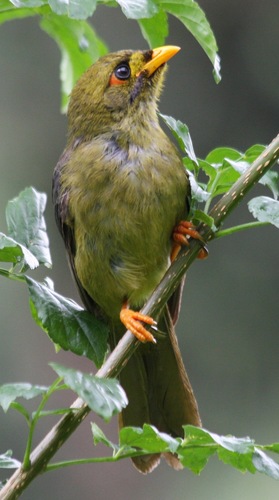
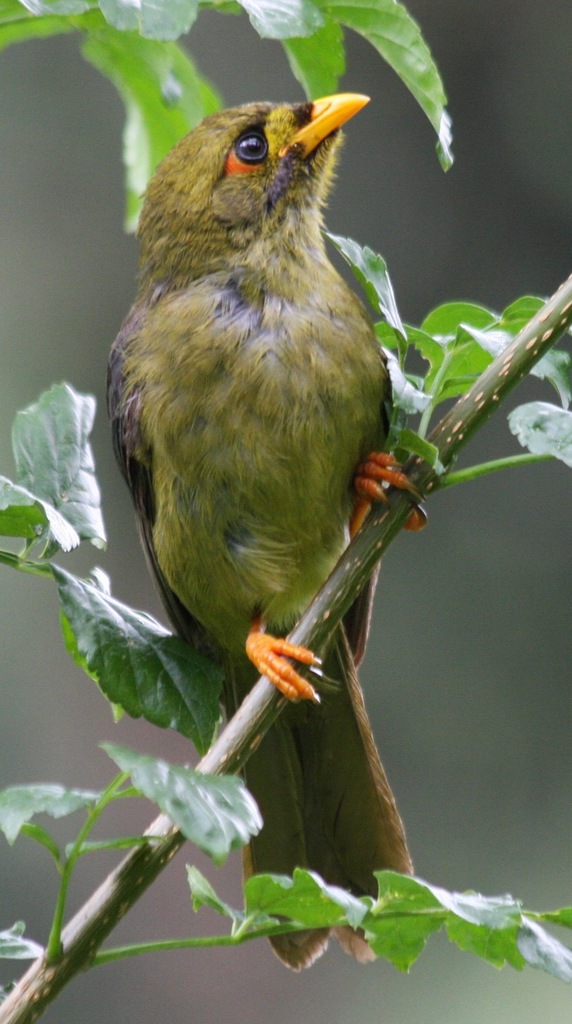
—observations
—countries
—peak records
Least ConcernConservation statusIUCN Red List categoriesLCNTVUENCREWEXLeast ConcernRed List categories, explained →
Diet & preyPsyllid lerps, Insects, Eucalypt nectar
Predators
- Collared Sparrowhawk
- Laughing Kookaburra
- Pied Currawong
ThreatsHabitat fragmentation, bushfires, urban expansion
HabitatsEucalypt forests and woodlands in southeastern Australia
Life span5–10 years in the wild
Classification
- OrderPasseriformes
- FamilyMeliphagidae
- GenusManorina
- SpeciesManorina melanophrys
Range data is not available yet.
Interaction riskLow
- Low
- Moderate
- High
- Very high
- Why interaction risk is low
- Safe to observe at a normal distance.
Responsible observation
- Listen First: Follow the steady, high-pitched 'tink' calls echoing through dense eucalypt gullies.
- Scan the Canopy: Look for olive-green birds with bright orange-yellow bills and a red eye-patch.
- Keep Distance: Avoid approaching active nests, as the whole colony will mob perceived intruders.
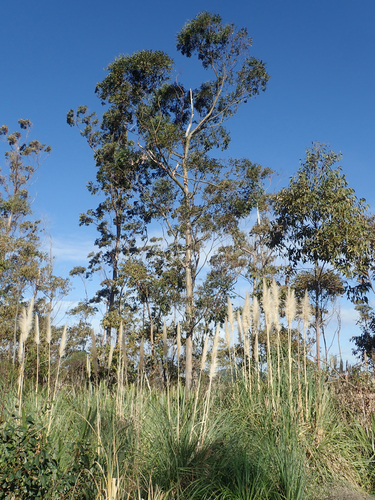
Host Tree no rights reserved · cc0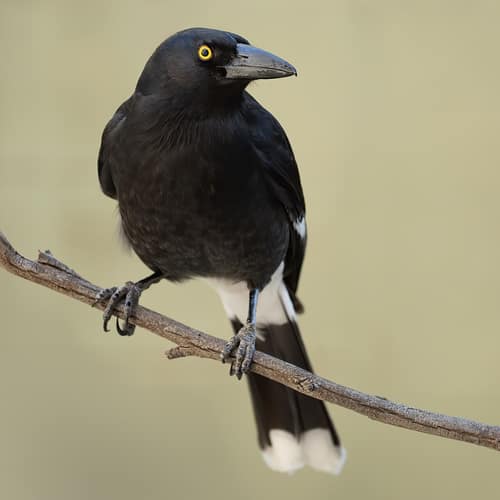
Predator JJ Harrison (https://www.jjharrison.com.au/) / CC BY-SA 4.0 · cc-by-sa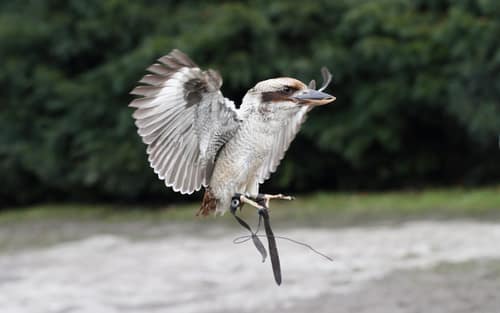
Predator (c) mcamcamca, some rights reserved (CC BY-SA) · cc-by-sa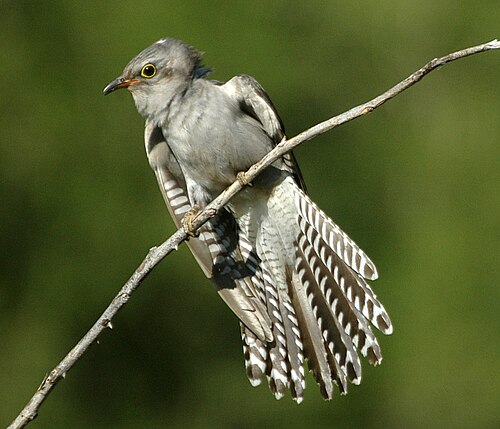
Parasite Aviceda / CC BY-SA 3.0 · cc-by-sa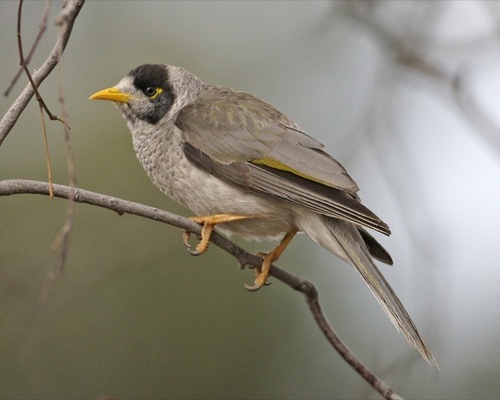
Close Relative (c) Lip Kee Yap, some rights reserved (CC BY-SA) · cc-by-sa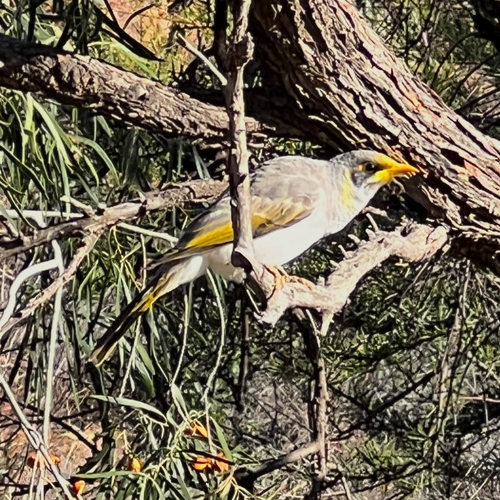
Close Relative (c) James K. Douch, some rights reserved (CC BY-SA) · cc-by-sa
Help improve the field guideSomething wrong?
Checking your Fauna account…Report a name, category, or profile issue for review.