
Bird
Red-headed Myzomela
Myzomela erythrocephalaAlso known as Red-headed Honeyeater
These tiny, energetic honeyeaters are mangrove specialists that flit restlessly through coastal tree canopies in search of nectar and small arthropods. Males boast a vivid crimson head, neck, and rump set against dark sooty-brown wings, while females wear a modest grayish-olive plumage accented with a touch of rose on the chin. Pairs actively defend flowering mangrove blossoms, darting between flowers with hovering, acrobatic flight maneuvers.
TropicalColorfulMangrove Specialist
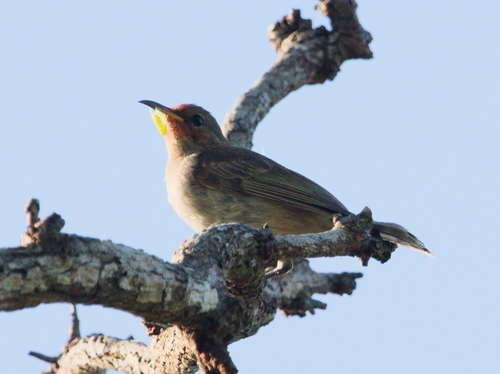
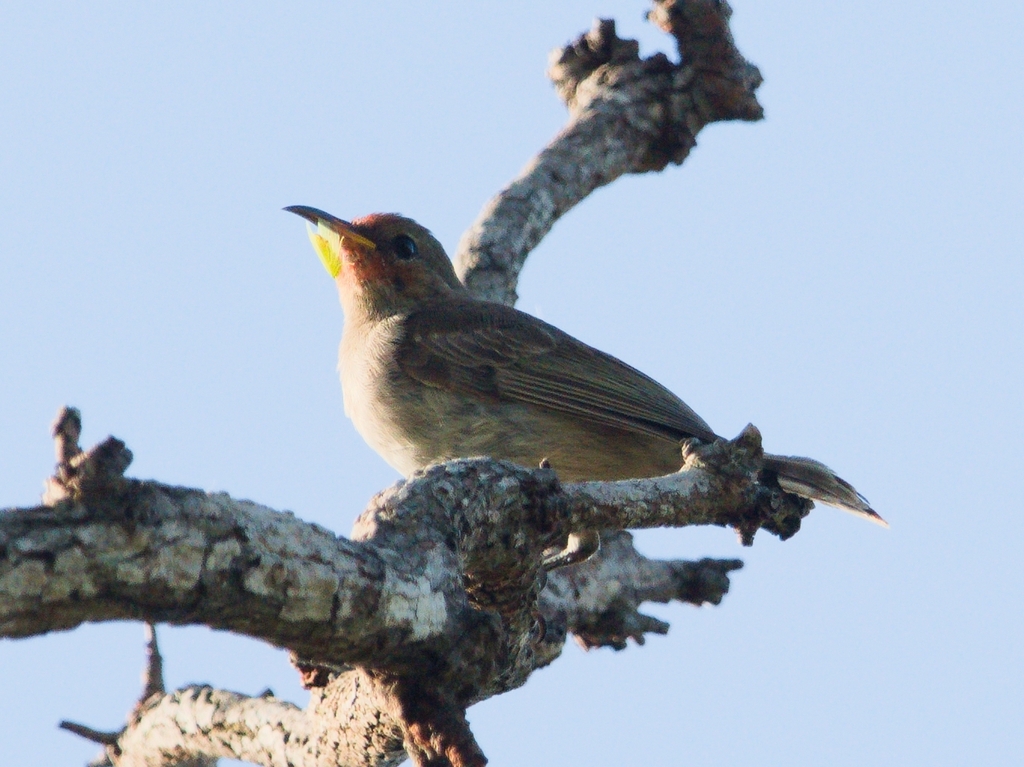
—observations
—countries
—peak records
Least ConcernConservation statusIUCN Red List categoriesLCNTVUENCREWEXLeast ConcernRed List categories, explained →
Diet & preyMangrove nectar, Small spiders, Scale insects and midges
Predators
- Brown Tree Snake
- Collared Kingfisher
- Grey Goshawk
ThreatsMangrove habitat destruction, coastal development, and extreme storm surges
HabitatsMangrove forests, coastal paperbark swamps, and adjacent woodlands
Life span5–8 years
Classification
- FamilyMeliphagidae
- SpeciesMyzomela erythrocephala
Range data is not available yet.
Interaction riskLow
- Low
- Moderate
- High
- Very high
- Why interaction risk is low
- Safe to observe at a normal distance.
Responsible observation
- Listening for calls: Listen for their thin, high-pitched piping whistles filtering down through dense mangrove canopies.
- Spotting flowering trees: Scan blooming mangrove trees such as Bruguiera and Rhizophora where birds gather to forage.
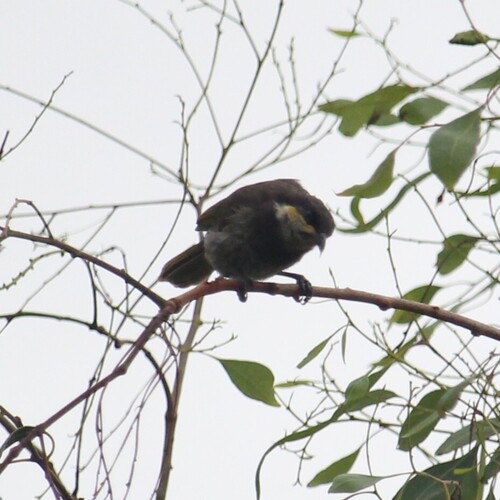
Competitor (c) Natasha Taylor, some rights reserved (CC BY) · cc-by Image unavailable
Habitat Neighbor 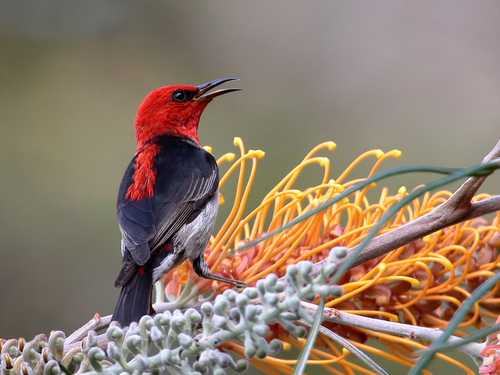
Close Relative (c) Graham Winterflood, some rights reserved (CC BY-SA), uploaded by Graham Winterflood · cc-by-sa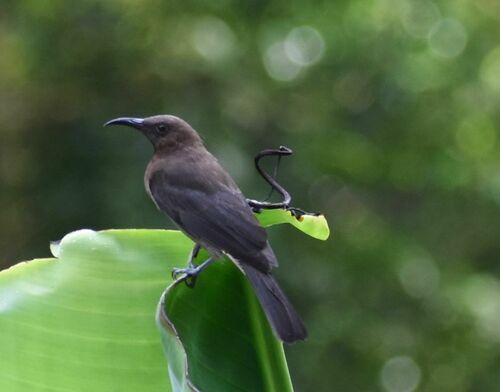
Close Relative (c) Wairambar Rainforest, some rights reserved (CC BY) · cc-by
Help improve the field guideSomething wrong?
Checking your Fauna account…Report a name, category, or profile issue for review.