
Bird
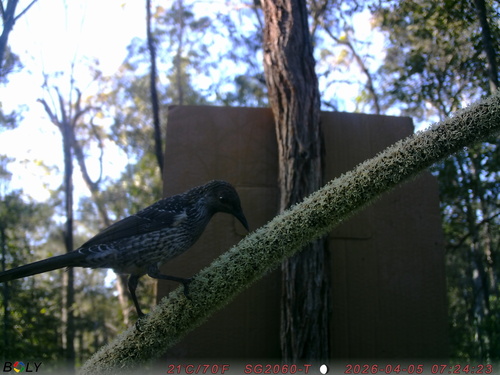
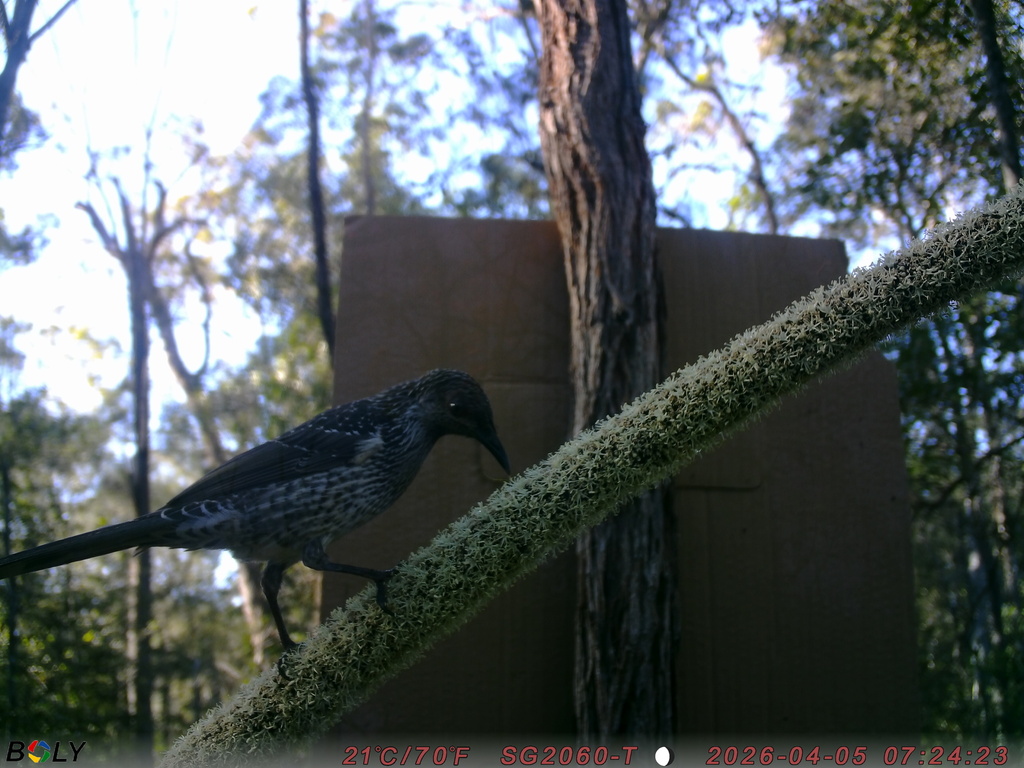
Little Wattlebird
Anthochaera chrysopteraAlso known as Brush Wattlebird
Little wattlebirds are energetic, pugnacious honeyeaters that fiercely defend blossoming shrubs from rivals and much larger birds. Lacking the fleshy facial wattles found on their close relatives, they reveal distinctive rufous flight feathers in flashes during short, undulating bursts of flight. Their harsh, cackling calls echo continuously through coastal heaths and suburban gardens wherever nectar-rich native flowers abound.
VocalActiveNectarivore
—observations
—countries
—peak records
Least ConcernConservation statusIUCN Red List categoriesLCNTVUENCREWEXLeast ConcernRed List categories, explained →
Diet & preyBanksia Nectar, Lerp Insects, Spiders
Predators
- Collared Sparrowhawk
- Pied Currawong
- Domestic Cat
ThreatsHabitat clearing, predation by domestic cats, and urban land development
HabitatsCoastal heathland, dry sclerophyll forest, banksia scrub, and urban gardens
Life span8–12 years
Classification
- FamilyMeliphagidae
- SpeciesAnthochaera chrysoptera
Range data is not available yet.
Interaction riskLow
- Low
- Moderate
- High
- Very high
- Why interaction risk is low
- Safe to observe at a normal distance.
Responsible observation
- Listen for Calls: Locate them easily by tracking their harsh, rhythmic, chuckling calls in dense scrub.
- Watch Banksia Trees: Focus on flowering proteaceous shrubs like banksias and grevilleas where they feed boldly.
- Give Nesting Space: Keep a respectful distance in spring when adults aggressively defend cup-shaped nests.
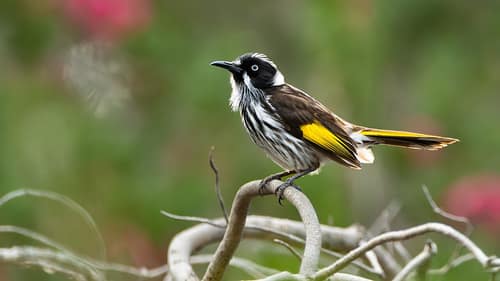
Competitor Photo by: Paulweberphoto - paulweberphoto.com / CC BY 4.0 · cc-by
Host Plant (c) 呂一起(Lu i-chi), some rights reserved (CC BY), uploaded by 呂一起(Lu i-chi) · cc-by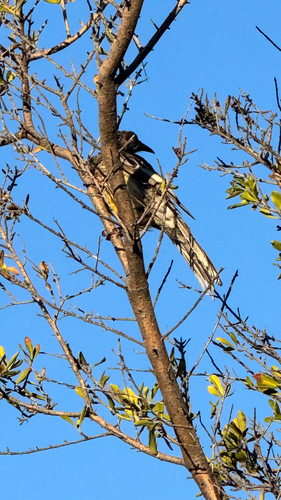
Close Relative (c) jraus, some rights reserved (CC BY-SA) · cc-by-sa Image unavailable
Close Relative 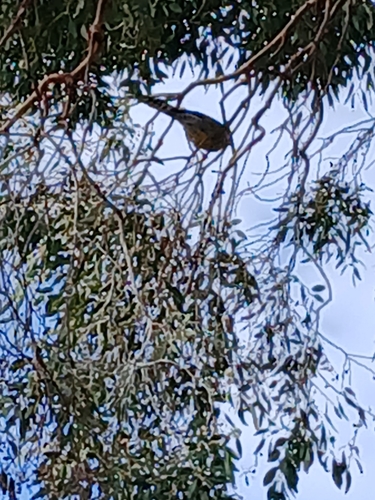
Close Relative (c) Bee, some rights reserved (CC BY) · cc-by
Help improve the field guideSomething wrong?
Checking your Fauna account…Report a name, category, or profile issue for review.