
Bird
Red Wattlebird
Anthochaera carunculataAlso known as Barking Bird, Gillbird, Wattled Honeyeater
Boisterous and remarkably bold, red wattlebirds dominate nectar-rich trees across southern Australia, frequently dive-bombing smaller birds to defend prime feeding patches. Their harsh, guttural vocalizations resemble coughing or clacking and carry far through open woodland and suburban parks. Beyond their love for sweet blossom nectar, they act as critical seed and flower pollinators while regularly gleaning foliage for lerps and beetles.
NectarivoreVocalWoodland
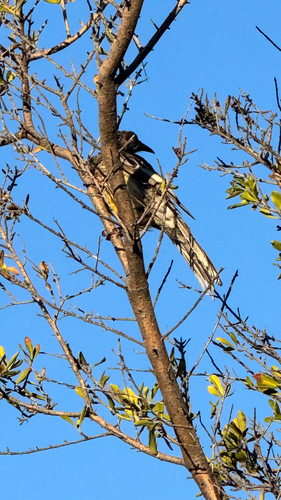
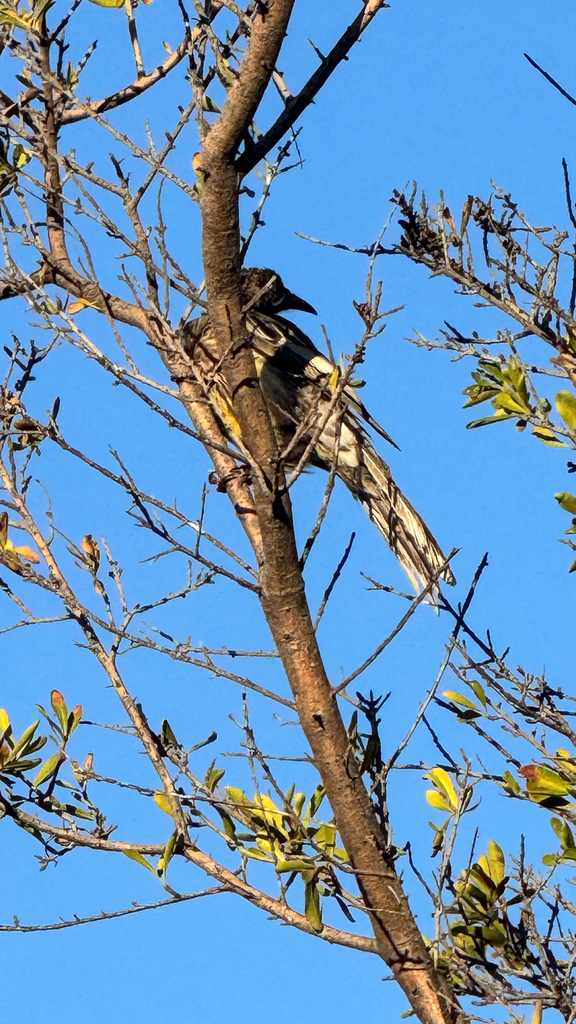
—observations
—countries
—peak records
Least ConcernConservation statusIUCN Red List categoriesLCNTVUENCREWEXLeast ConcernRed List categories, explained →
Diet & preyEucalyptus nectar, Banksia nectar, Small insects
Predators
- Domestic cat
- Brown goshawk
- Pied currawong
ThreatsHabitat fragmentation, land clearance, and domestic cat predation
HabitatsEucalypt woodlands, coastal heath, urban gardens, and parks
Life span8–12 years
Classification
- FamilyMeliphagidae
- SpeciesAnthochaera carunculata
Range data is not available yet.
Interaction riskLow
- Low
- Moderate
- High
- Very high
- Why interaction risk is low
- Safe to observe at a normal distance.
Responsible observation
- Listening: Tune your ear for loud, coughing 'chok' calls and abrupt snapping sounds high in the canopy.
- Watching: Observe flowering bottlebrushes or grevilleas, where individuals vigorously chase rival foragers.
- Gardening: Plant indigenous flowering trees to provide natural foraging habitat in suburban yards.
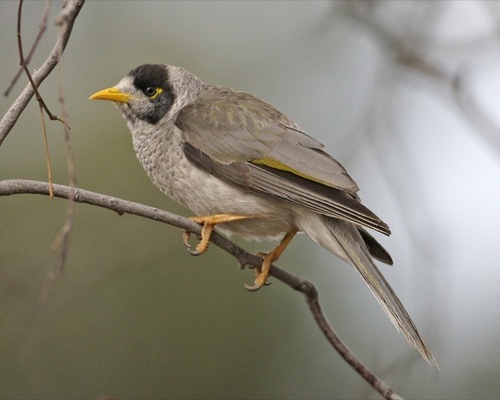
Competitor (c) Lip Kee Yap, some rights reserved (CC BY-SA) · cc-by-sa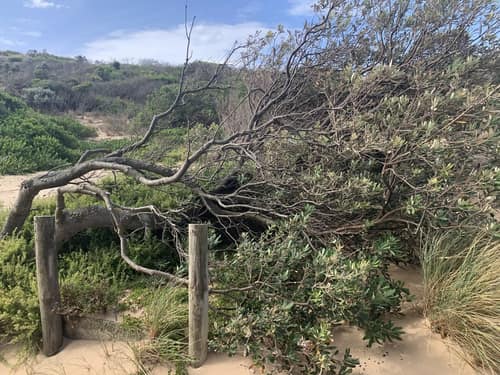
Food Source (c) 呂一起(Lu i-chi), some rights reserved (CC BY), uploaded by 呂一起(Lu i-chi) · cc-by Image unavailable
Close Relative 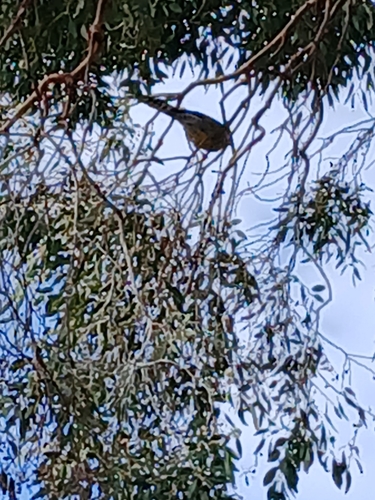
Close Relative (c) Bee, some rights reserved (CC BY) · cc-by
Help improve the field guideSomething wrong?
Checking your Fauna account…Report a name, category, or profile issue for review.