
Bird
Blue-faced Honeyeater
Entomyzon cyanotisAlso known as Banana Bird, Bananabird
Blue-faced honeyeaters travel in boisterous family groups that forage energetically through eucalyptus canopies, coastal scrubs, and suburban orchards. Instead of building nests from scratch, breeding pairs frequently take over and refurbish the abandoned stick homes of babblers, friarbirds, or butcherbirds. Their piercing morning piping and inquisitive nature make them unmistakable, conspicuous residents of northern and eastern Australia.
VocalWoodlandSocial
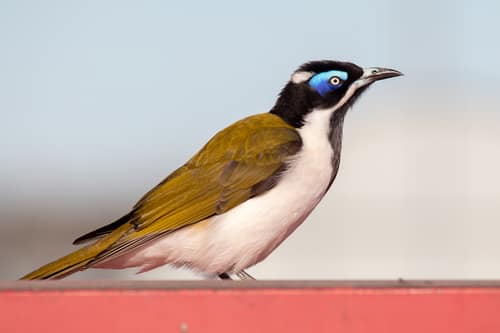
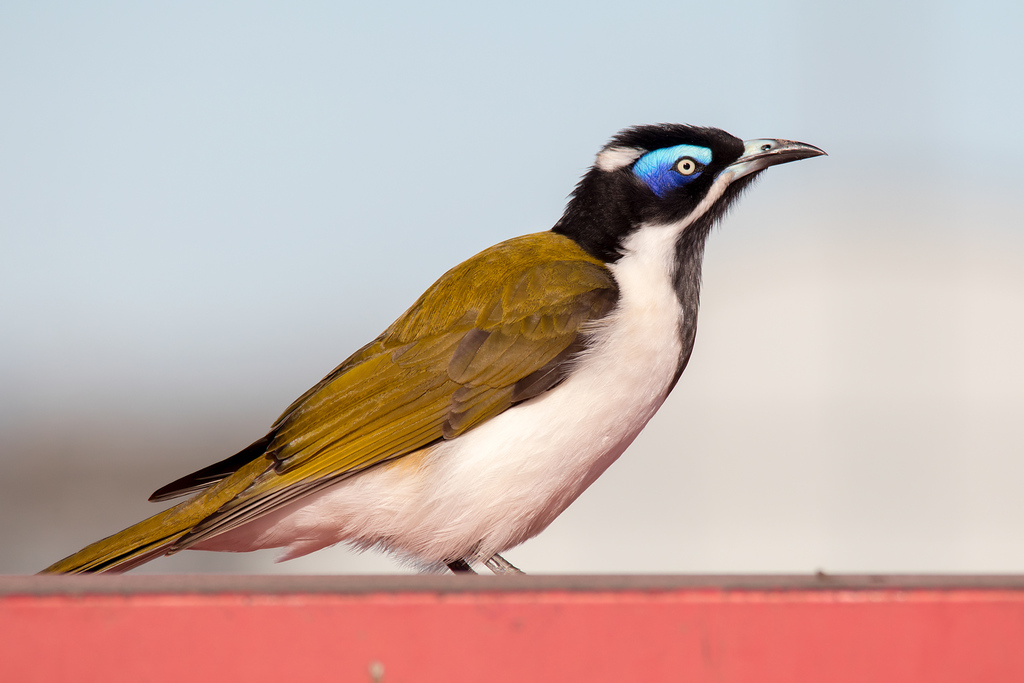
—observations
—countries
—peak records
Least ConcernConservation statusIUCN Red List categoriesLCNTVUENCREWEXLeast ConcernRed List categories, explained →
Diet & preyEucalypt nectar, Insects and spiders, Native figs and berries
Predators
- Brown Goshawk
- Peregrine Falcon
- Lace Monitor
ThreatsHabitat clearing, fragmentation of woodlands, and pesticide exposure
HabitatsOpen eucalyptus forests, woodlands, coastal scrub, parks, and orchards
Life span10–15 years
Classification
- OrderPasseriformes
- FamilyMeliphagidae
- GenusEntomyzon
- SpeciesEntomyzon cyanotis
Range data is not available yet.
Interaction riskLow
- Low
- Moderate
- High
- Very high
- Why interaction risk is low
- Safe to observe at a normal distance.
Responsible observation
- Foliage Scanning: Scan flowering eucalyptus and banana fronds where noisy groups congregate.
- Age Identification: Look for yellow or greenish facial skin patches to distinguish juveniles from blue-faced adults.
- Nest Checking: Inspect old stick nests in fork trees during spring to see if pairs have commandeered them.
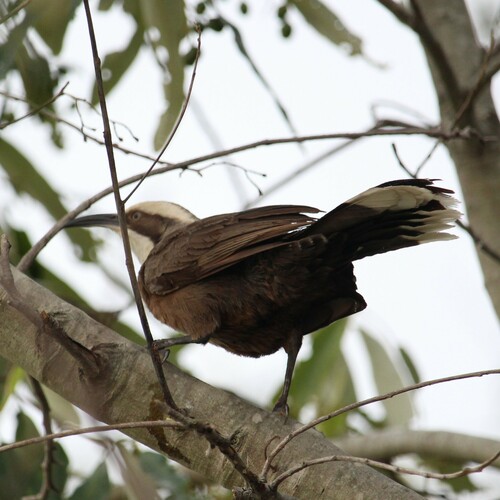
Nest Host (c) Natasha Taylor, some rights reserved (CC BY) · cc-by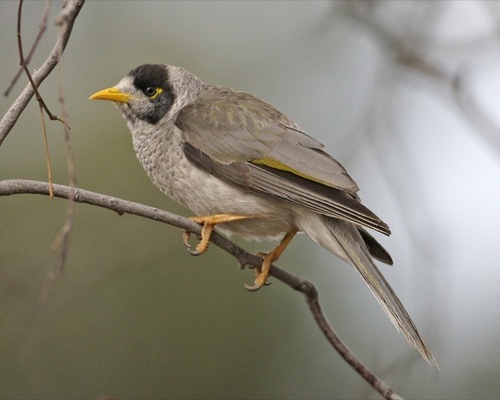
Competitor (c) Lip Kee Yap, some rights reserved (CC BY-SA) · cc-by-sa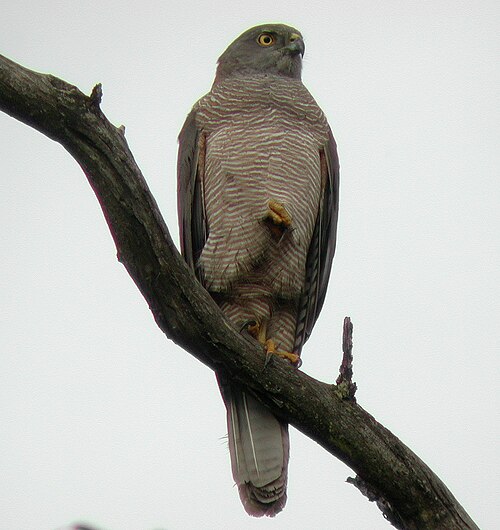
Predator Aviceda / CC BY-SA 3.0 · cc-by-sa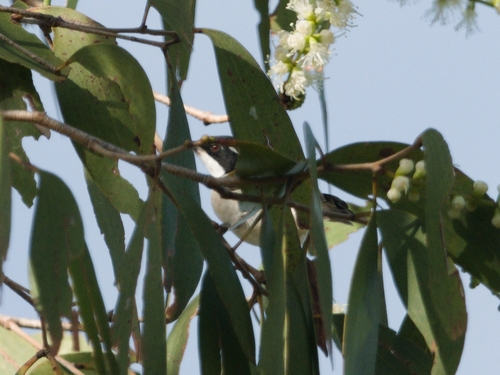
Close Relative (c) James Cunningham, some rights reserved (CC BY) · cc-by
Help improve the field guideSomething wrong?
Checking your Fauna account…Report a name, category, or profile issue for review.