
Bird
White-browed Scrubwren
Sericornis frontalisWhite-browed Scrubwrens are bustling, wren-like songbirds that forage through dense undergrowth, leaf litter, and coastal scrub across eastern and southern Australia. They travel in tight family groups, keeping contact with sharp, scolding chatter and a lively repertoire of trills and whistles. Cooperative breeding is common, with non-breeding helpers assisting the dominant pair in feeding chicks inside dome-shaped nests tucked low in tangled vegetation.
InsectivorousCooperative BreederUnderstory
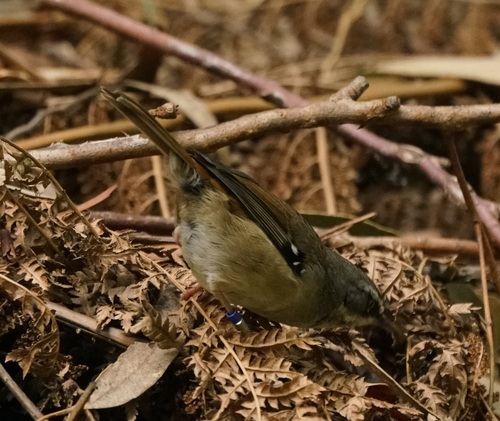
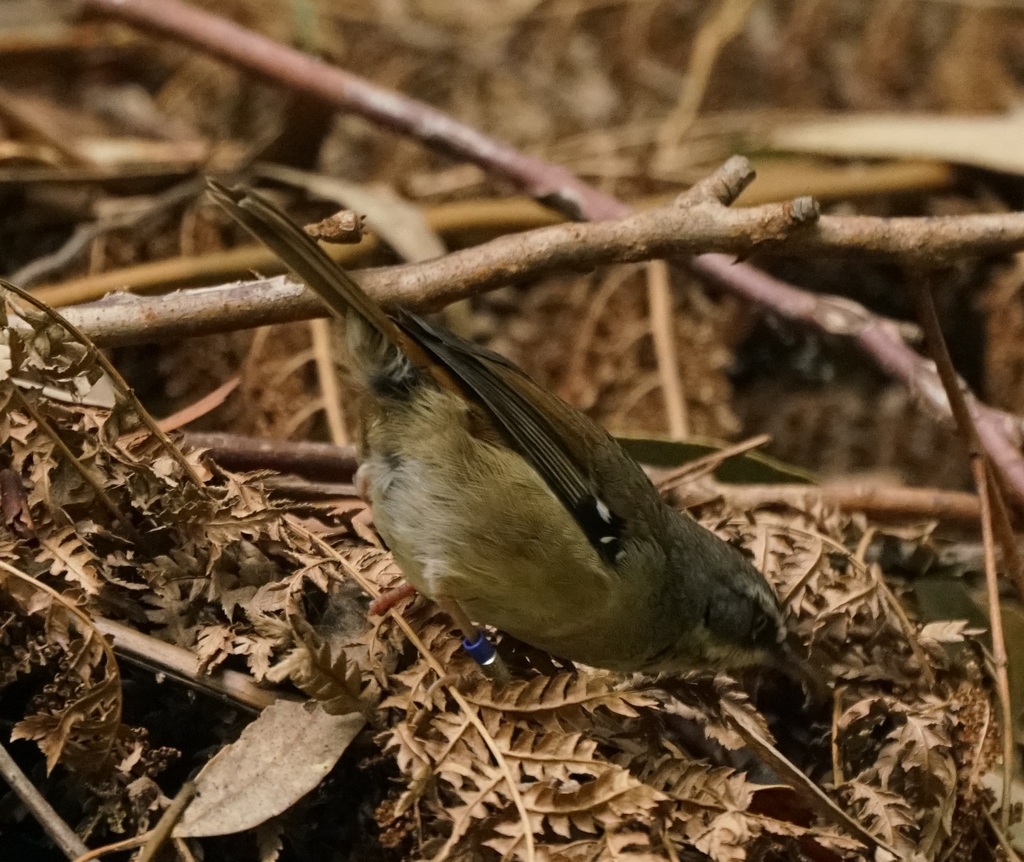
—observations
—countries
—peak records
Least ConcernConservation statusIUCN Red List categoriesLCNTVUENCREWEXLeast ConcernRed List categories, explained →
Diet & preyBeetles, Spiders, Caterpillars
Predators
- Feral Cat
- Pied Currawong
- Laughing Kookaburra
ThreatsHabitat clearing, predation by feral cats, and intense bushfires
HabitatsCoastal scrub, sclerophyll forests, rainforest edges, and dense gardens
Life span8–15 years in the wild
Classification
- OrderPasseriformes
- FamilyAcanthizidae
- GenusSericornis
- SpeciesSericornis frontalis
Range data is not available yet.
Interaction riskLow
- Low
- Moderate
- High
- Very high
- Why interaction risk is low
- Safe to observe at a normal distance.
Responsible observation
- Listening: Follow sharp, buzzing scolding calls in low brambles to locate hidden family groups.
- Patience: Stand still near dense undergrowth, as curious individuals often hop out to inspect observers.
- Nesting Care: Keep pets leashed and avoid parting thick shrubs during spring and summer breeding months.
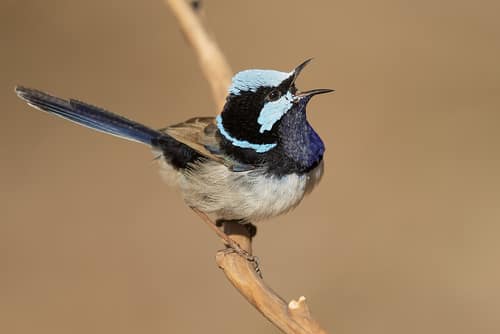
Frequent Companion JJ Harrison (https://www.jjharrison.com.au/) / CC BY-SA 4.0 · cc-by-sa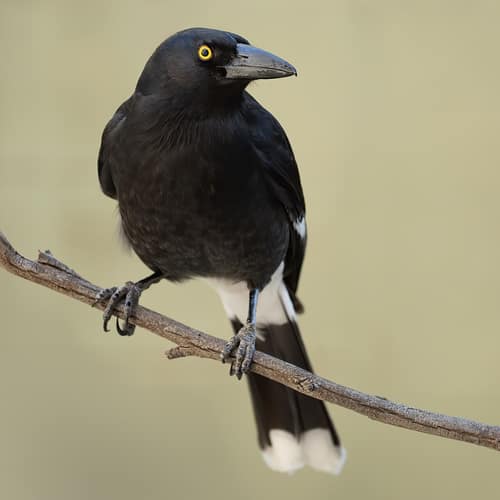
Predator JJ Harrison (https://www.jjharrison.com.au/) / CC BY-SA 4.0 · cc-by-sa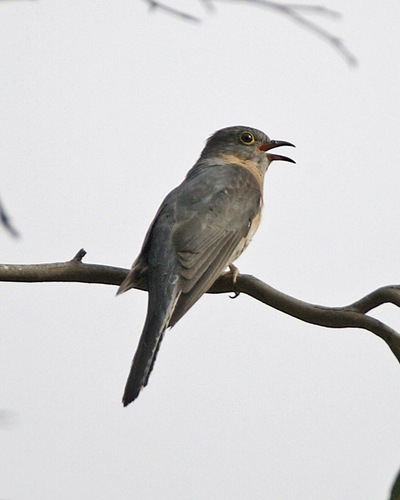
Parasite (c) Lip Kee Yap, some rights reserved (CC BY-SA) · cc-by-sa Image unavailable
Close Relative Same Family
Help improve the field guideSomething wrong?
Checking your Fauna account…Report a name, category, or profile issue for review.