
Bird
Long-tailed Meadowlark
Sturnella loycaAlso known as Patagonian Meadowlark, Loyca
Long-tailed meadowlarks stride purposefully through wind-swept southern plains, probing the soil with stout, pointed bills for beetles, larvae, and fallen seeds. Males perform conspicuous song flights during the austral spring, fluttering upward before parachuting back to a fence post or tussock while pouring out a melodious, wheezy whistle. They construct well-concealed, domed grass nests directly on the ground, woven beneath low shrubs to shield eggs and chicks from relentless Patagonian gales.
SongbirdGrasslandColorful
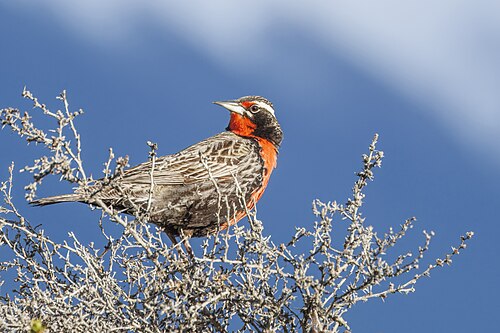
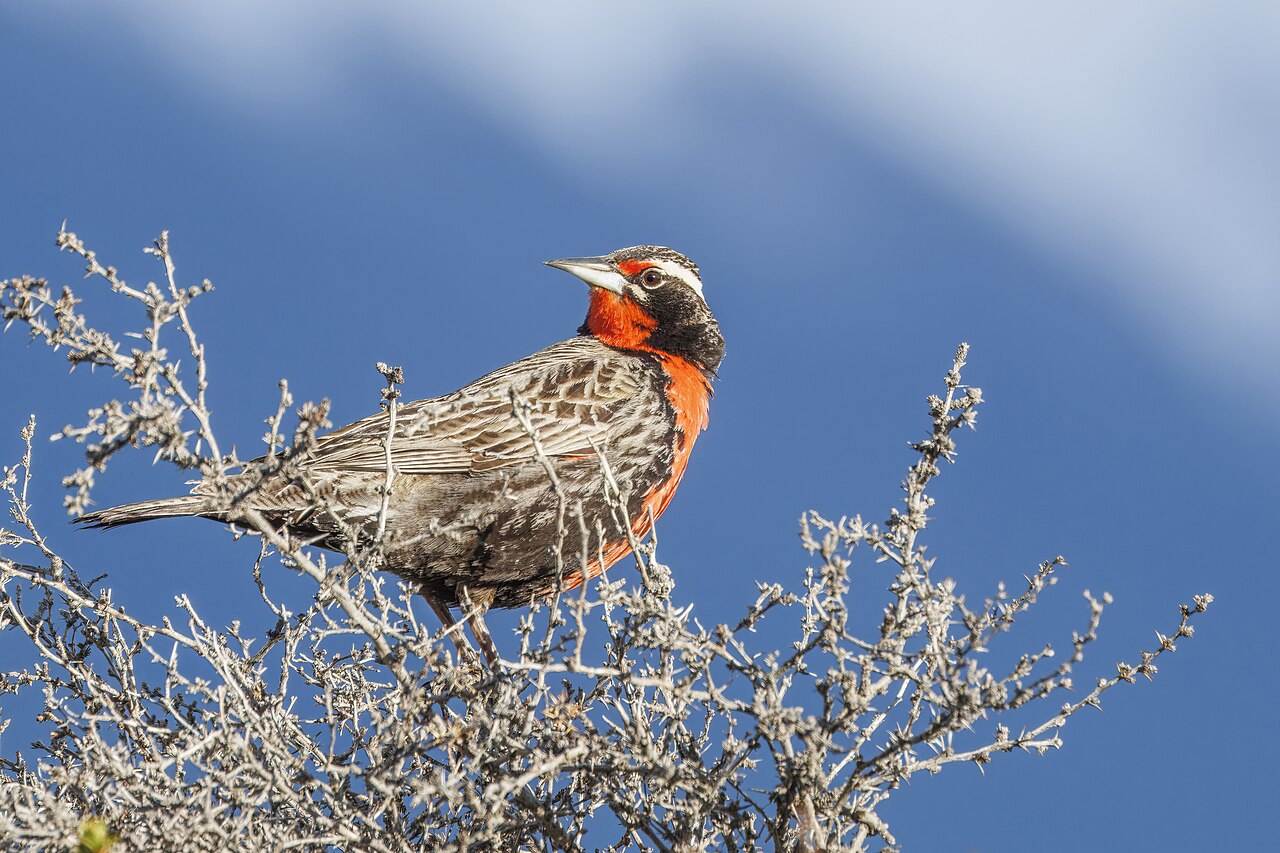
—observations
—countries
—peak records
Least ConcernConservation statusIUCN Red List categoriesLCNTVUENCREWEXLeast ConcernRed List categories, explained →
Diet & preyBeetles, Grasshoppers, Grass seeds
Predators
- Variable hawk
- Aplomado falcon
- Culpeo fox
ThreatsOvergrazing, intensive agricultural conversion, and predation by introduced mammals
HabitatsTemperate grasslands, agricultural pastures, coastal heath, and shrubby steppes
Life span5–8 years
Classification
- FamilyIcteridae
- SpeciesSturnella loyca
Range data is not available yet.
Interaction riskLow
- Low
- Moderate
- High
- Very high
- Why interaction risk is low
- Safe to observe at a normal distance.
Responsible observation
- Fence Perches: Scan fence lines and top branches of calafate bushes along roadside pastures where males display.
- Ground Nests: Watch your footing in tall tussock grass during spring to avoid stepping on concealed nests.
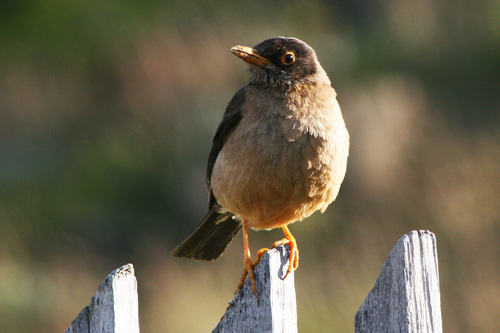
Frequent Companion (c) payayita, some rights reserved (CC BY-SA) · cc-by-sa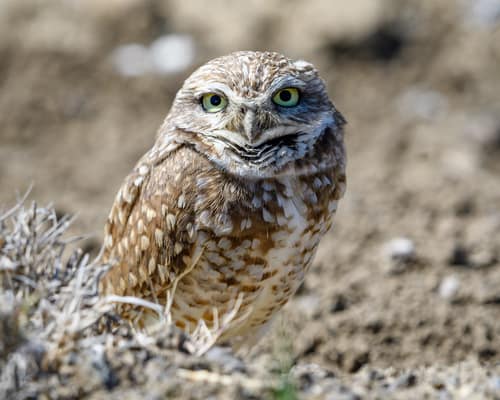
Neighbor "Burrowing Owl" by Becky Matsubara is licensed under CC BY 2.0. To view a copy of this license, visit https://creativecommons.org/licenses/by/2.0/. · cc-by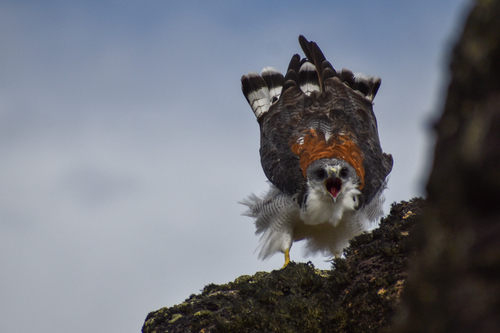
Predator (c) Ezequiel Racker, some rights reserved (CC BY), uploaded by Ezequiel Racker · cc-by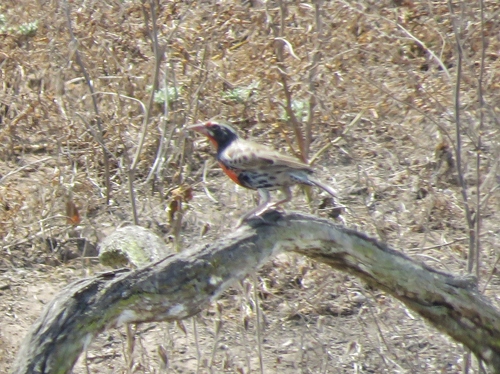
Close Relative (c) Annika Lindqvist, some rights reserved (CC BY), uploaded by Annika Lindqvist · cc-by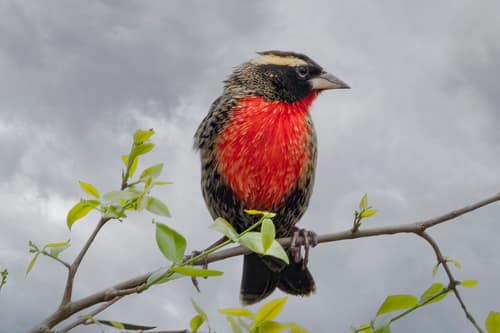
Close Relative (c) Gabriel Brachetti, some rights reserved (CC BY), uploaded by Gabriel Brachetti · cc-by
Help improve the field guideSomething wrong?
Checking your Fauna account…Report a name, category, or profile issue for review.