
Bird · GBIF taxon 2484254
Eastern Meadowlark
Sturnella magnaAlso known as Field Lark
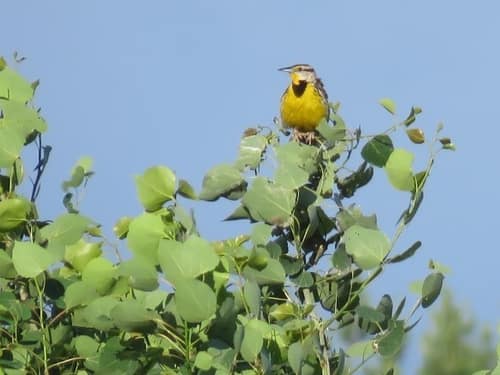
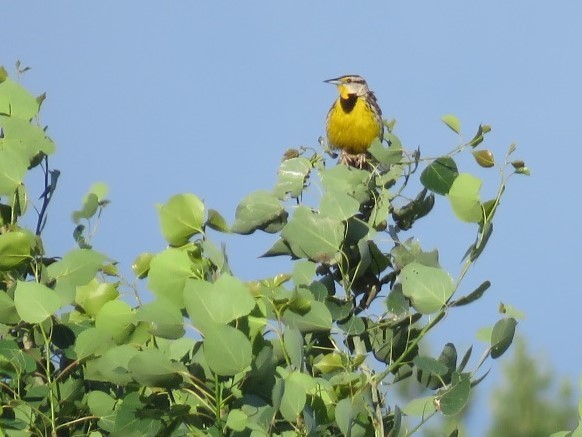
Eastern meadowlarks bring vibrant yellow plumage and an iconic, sweet whistling song to open grassy landscapes across eastern North America. Males frequently sing from high fence lines or wooden posts, displaying a bold black V across their bright yellow chest. These ground-nesting birds build domed grass bowers carefully hidden in dense cover, making them especially vulnerable to early agricultural mowing.
GrasslandSongbirdYellow Breast
—observations
—countries
—peak records
Near ThreatenedConservation statusIUCN Red List categoriesLCNTVUENCREWEXNear ThreatenedRed List categories, explained →
Diet & prey
- Grasshoppers
- Crickets
- Caterpillars
Predators
- Hawks
- Snakes
- Domestic Cats
ThreatsHabitat loss, early agricultural mowing, pesticide exposure
HabitatsGrasslands, pastures, meadows, agricultural fields
Life span5–9 years
Size / weightNot available
Classification
- FamilyIcteridae
- SpeciesSturnella magna
Range data is not available yet.
Interaction riskLow
- Low
- Moderate
- High
- Very high
- Why interaction risk is low
- Safe to observe at a normal distance.
- What to notice
- Look for a bright yellow chest with a bold black V, often seen singing atop fenceposts along pastures.
- Support conservation
- Stay on established farm roads and paths to avoid crushing hidden, domed ground nests during spring and summer.
Responsible observation
- Listen for Songs: Search fenceposts and tall weeds where males perch to sing their clear whistle.
- Time Your Visit: Spring mornings during breeding season offer the best vocal displays and activity.
- Keep Distance from Nests: Avoid stepping through tall grass during late spring to protect ground nests.
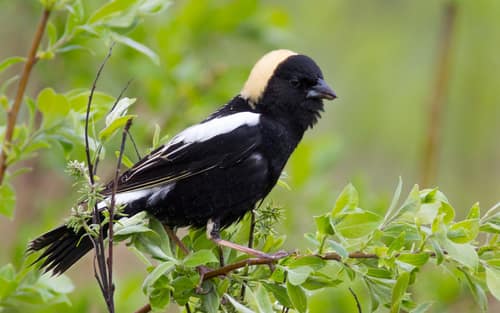
Frequent Companion (c) Fyn Kynd, some rights reserved (CC BY-SA), uploaded by Fyn Kynd · cc-by-sa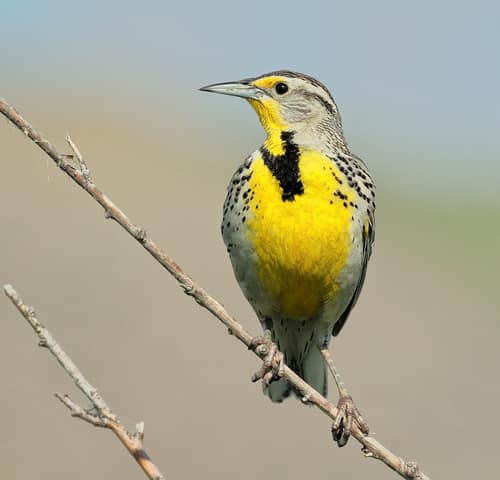
Close Relative Cephas / CC BY-SA 4.0 · cc-by-sa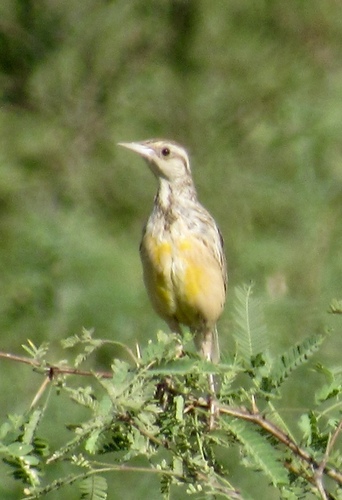
Close Relative (c) CK2AZ, some rights reserved (CC BY), uploaded by CK2AZ · cc-by
Help improve the field guideSomething wrong?
Checking your Fauna account…Report a name, category, or profile issue for review.