
Bird · GBIF taxon 2482560
Azure Jay
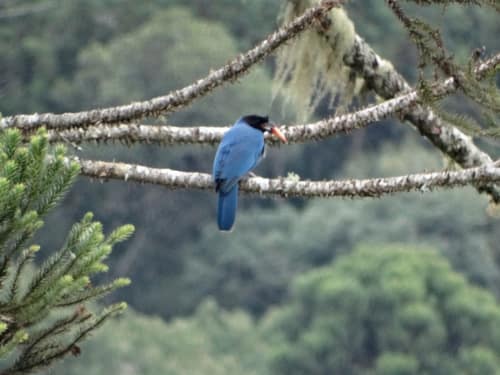
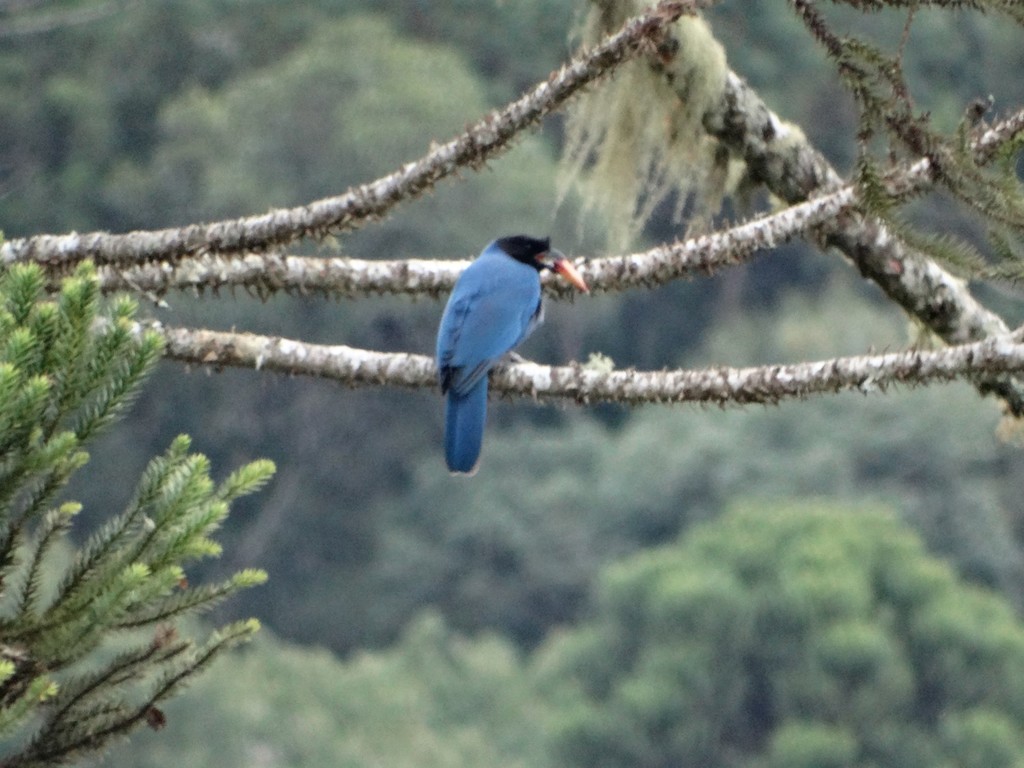
Cyanocorax caeruleusRanging through the endangered Araucaria moist forests of southern Brazil and northeastern Argentina, Azure Jays travel in cooperative family groups of up to fifteen individuals. They play an indispensable ecological role as key seed dispersers for the Paraná pine, caching fallen nuts across the forest floor where forgotten stores sprout into new trees. Celebrated as the state bird of Paraná, their presence is signaled by a distinctive repertoire of loud, metallic rattles and ringing calls carrying across the canopy.
CorvidForest DwellerSocial
—observations
—countries
—peak records
Near ThreatenedConservation statusIUCN Red List categoriesLCNTVUENCREWEXNear ThreatenedRed List categories, explained →
Diet & prey
- Paraná Pine Seeds
- Insects
- Tree Frogs
Predators
- Black-and-white Hawk-Eagle
- Tayra
- Margay
ThreatsHabitat loss from logging, agricultural expansion, fragmentation
HabitatsAraucaria moist forests, subtropical Atlantic Forest canopy
Life span10–15 years
Size / weightNot available
Classification
- FamilyCorvidae
- SpeciesCyanocorax caeruleus
Range data is not available yet.
Interaction riskLow
- Low
- Moderate
- High
- Very high
- Why interaction risk is low
- Safe to observe from a respectful distance in native forest habitats.
- What to notice
- Easily identified by intense cobalt-blue plumage contrasted with a jet-black head, throat, and upper breast.
- Support conservation
- Maintain a generous viewing distance and avoid using playback calls that agitate territorial family groups.
Responsible observation
- Listening: Listen for harsh, resonant bell-like cries echoing through the dense Araucaria canopy.
- Watching: Look for family groups gliding between high branches while foraging for hidden seeds.
- Ethics: Stay on established trails to avoid disturbing nesting pairs during the spring breeding season.
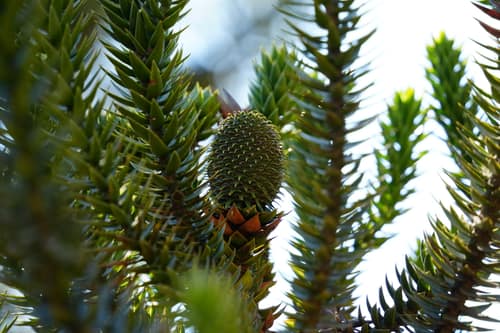
Food Plant (c) Pietro, some rights reserved (CC BY) · cc-by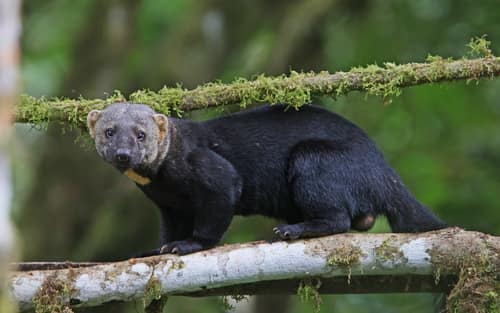
Predator (c) Christoph Moning, some rights reserved (CC BY), uploaded by Christoph Moning · cc-by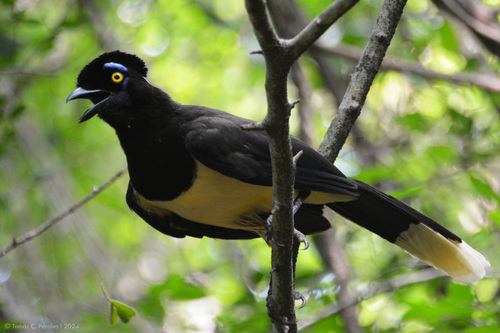
Close Relative (c) Tomás Carranza Perales, some rights reserved (CC BY), uploaded by Tomás Carranza Perales · cc-by Image unavailable
Close Relative
Help improve the field guideSomething wrong?
Checking your Fauna account…Report a name, category, or profile issue for review.