
Bird · GBIF taxon 2482421
Taiwan Blue Magpie
Urocissa caeruleaAlso known as Formosan Blue Magpie, Taiwan Magpie, Long-Tailed Mountain Lady
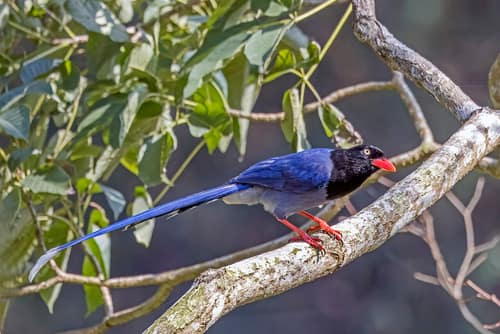
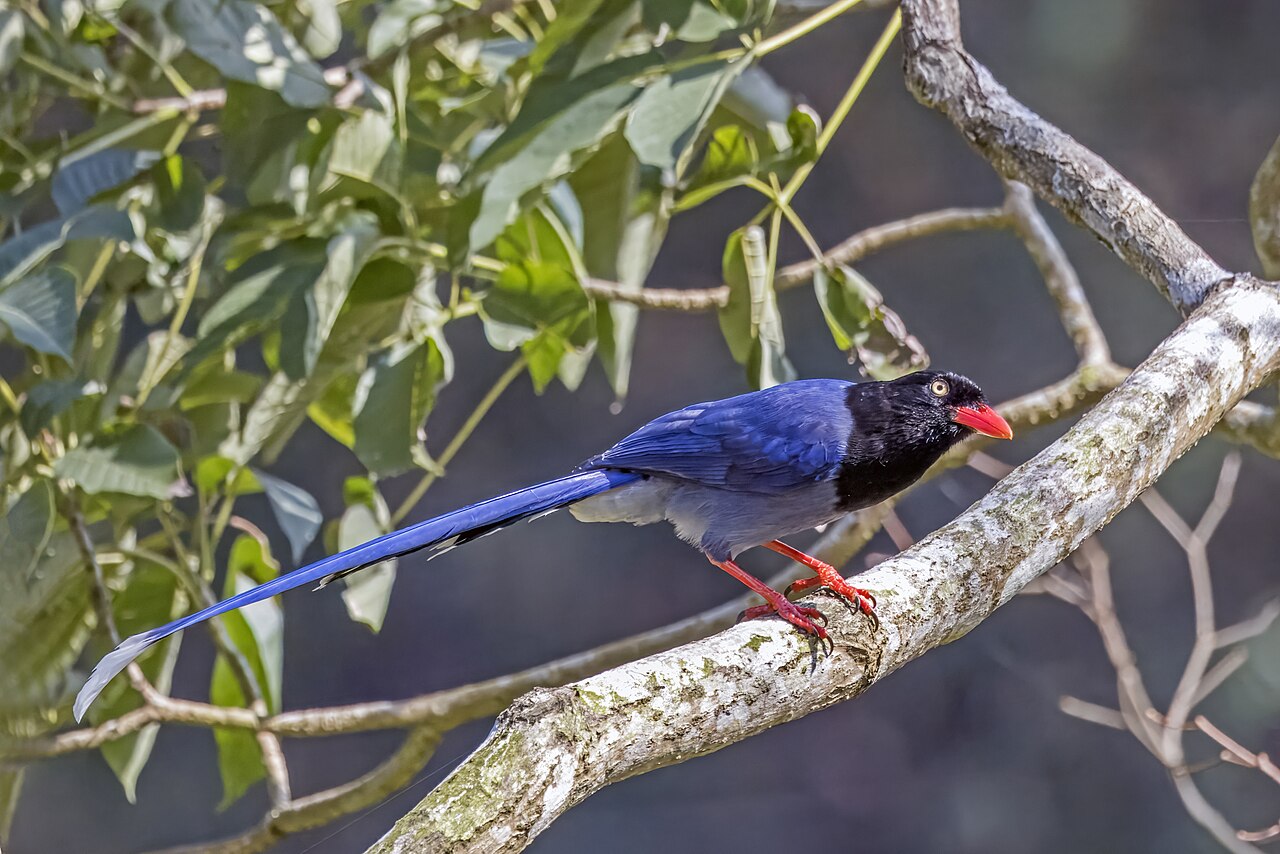
Taiwan blue magpies live in highly social family groups that defend territories and rear young through cooperative breeding, where older siblings help feed newborn chicks. Their distinctive flight pattern features a single-file line of birds sailing across forest clearings with long tail feathers trailing behind. Bold and highly adaptable, these corvids readily navigate broadleaf mountain forests as well as parklands on the outskirts of urban areas.
EndemicSocialVibrant
—observations
—countries
—peak records
Least ConcernConservation statusIUCN Red List categoriesLCNTVUENCREWEXLeast ConcernRed List categories, explained →
Diet & prey
- Insects
- Small Lizards
- Wild Berries
Predators
- Raptors
- Snakes
- Feral Cats
ThreatsHabitat fragmentation, road collisions, invasive species competition
HabitatsBroadleaf forests, mountain woodlands, and forest edges
Life span10–15 years
Size / weightNot available
Classification
- FamilyCorvidae
- SpeciesUrocissa caerulea
Range data is not available yet.
Interaction riskLow
- Low
- Moderate
- High
- Very high
- Why interaction risk is low
- Defends nests aggressively against intruders during spring; observe nesting trees from a safe distance.
- Why it is dangerous
- Adults and helper birds aggressively dive-bomb humans and pets that venture too close to their active nests.
- How to recognize a risky encounter
- Unmistakable vivid blue bird with a black head, red bill, bright yellow eyes, and long white-tipped tail.
- What to do
- Maintain distance from nesting trees from April to August, and use an umbrella or hat if birds begin warning calls.
- What to notice
- Distinctive blue corvid found exclusively in low- to mid-elevation forested areas of Taiwan.
- Support conservation
- Stay on designated trails and avoid disturbing communal nest trees or using playbacks to lure birds.
Responsible observation
- Breeding Season Caution: Avoid approaching active nests from April to August, as adults fiercely dive-bomb human intruders.
- Spotting Flocks: Look for striking blue birds flying in single-file trains through mountain forest canopy.
- Listening for Calls: Listen for loud, harsh chattering and ringing calls echoing through broadleaf hillsides.
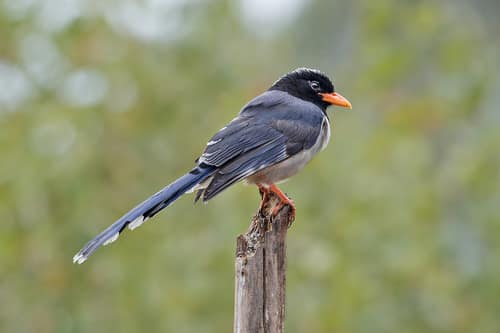
Close Relative (c) Koshy Koshy, some rights reserved (CC BY) · cc-by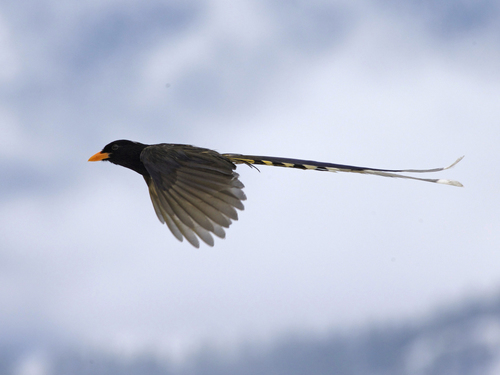
Close Relative (c) Lip Kee, some rights reserved (CC BY-SA) · cc-by-sa
Family Member (c) Luc Viatour, some rights reserved (CC BY-SA) · cc-by-sa
Help improve the field guideSomething wrong?
Checking your Fauna account…Report a name, category, or profile issue for review.