
Bird
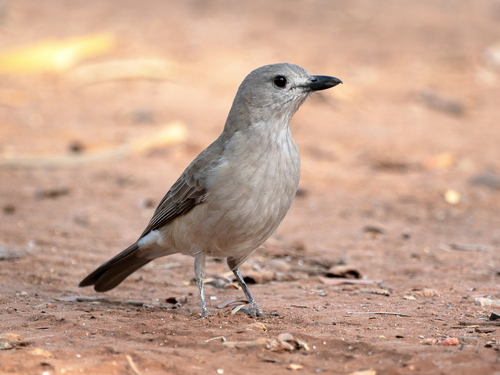
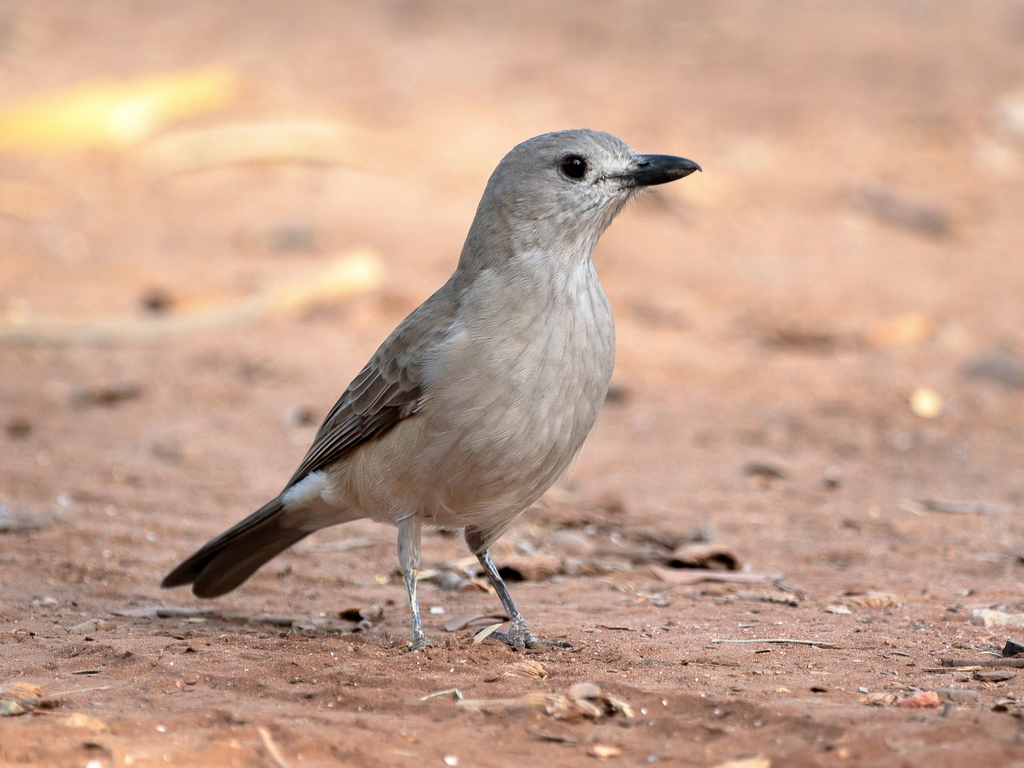
Gray Shrikethrush
Colluricincla harmonicaAlso known as Grey Thrush
Gray shrikethrushes are celebrated for their rich, liquid, ringing whistles that carry clearly through the Australian bush. They forage methodically from the ground up through tree trunks and foliage, probing under loose bark and turning leaf litter for insects, spiders, and small vertebrates. Pairs hold year-round territories and build neat cup-shaped nests of bark strips and twigs in tree hollows, stumps, or dense shrubs.
SongbirdInsectivoreWoodland
—observations
—countries
—peak records
Least ConcernConservation statusIUCN Red List categoriesLCNTVUENCREWEXLeast ConcernRed List categories, explained →
Diet & preyBeetles, Spiders, Small Lizards
Predators
- Brown Goshawk
- Pied Currawong
- Feral Cat
ThreatsHabitat clearing, predation by feral cats and foxes, and severe bushfires
HabitatsEucalypt forests, woodlands, scrublands, rainforest edges, and suburban gardens across Australia and New Guinea
Life span8–12 years in the wild
Classification
- OrderPasseriformes
- FamilyPachycephalidae
- GenusColluricincla
- SpeciesColluricincla harmonica
Range data is not available yet.
Interaction riskLow
- Low
- Moderate
- High
- Very high
- Why interaction risk is low
- Safe to observe at a normal distance.
Responsible observation
- Listen First: Follow its loud, ringing, multi-note whistle to locate birds perched inside dense foliage.
- Watch the Bark: Scan dead branches and peeling eucalypt trunks where birds probe for hidden insects.
- Garden Visits: Leave natural leaf litter and native shrubs undisturbed to encourage foraging pairs in suburban yards.
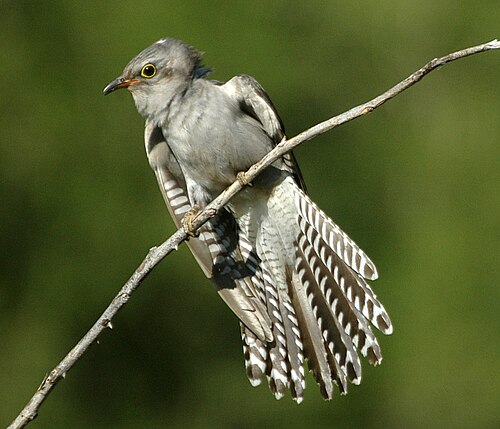
Brood Parasite Aviceda / CC BY-SA 3.0 · cc-by-sa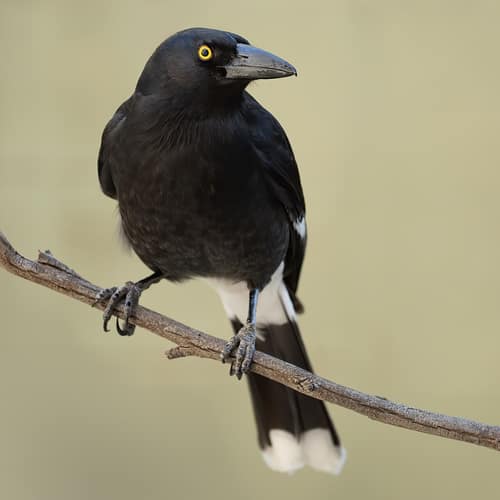
Predator JJ Harrison (https://www.jjharrison.com.au/) / CC BY-SA 4.0 · cc-by-sa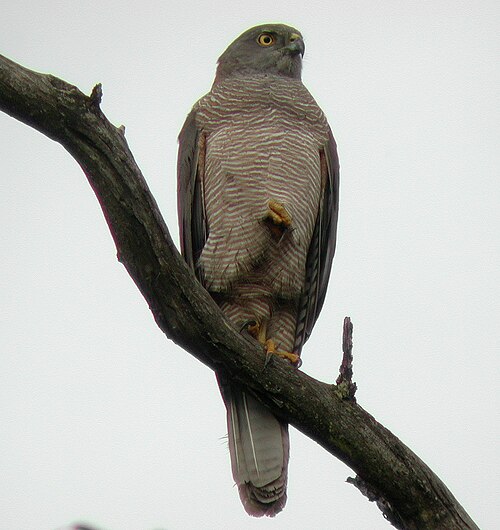
Predator Aviceda / CC BY-SA 3.0 · cc-by-sa Image unavailable
Close Relative 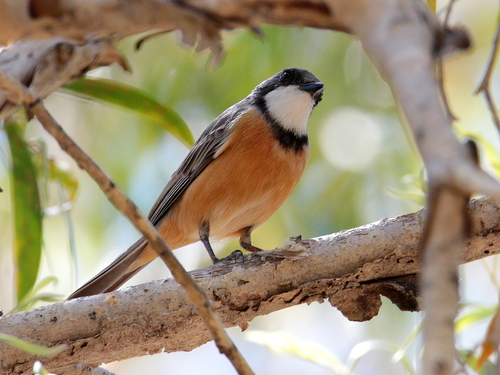
Same Family (c) Graham Winterflood, some rights reserved (CC BY-SA), uploaded by Graham Winterflood · cc-by-sa
Help improve the field guideSomething wrong?
Checking your Fauna account…Report a name, category, or profile issue for review.