
Bird
Highland Guan
Penelopina nigraAlso known as Black Chachalaca, Little Guan
Highland Guans display striking sexual dimorphism rare among cracids: males gleam in glossy black plumage with a bright red throat wattle and bill, while females wear cryptic rufous-brown barring. They inhabit humid montane cloud forests, moving quietly through the midstory and canopy to pluck fruits, buds, and occasional insects. At dawn during the breeding season, males launch into short display flights that produce a loud, rattling wing-drum followed by a clear, rising whistle.
Cloud ForestFrugivorousSexually Dimorphic
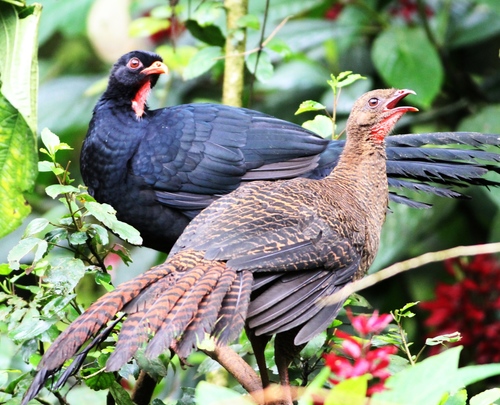
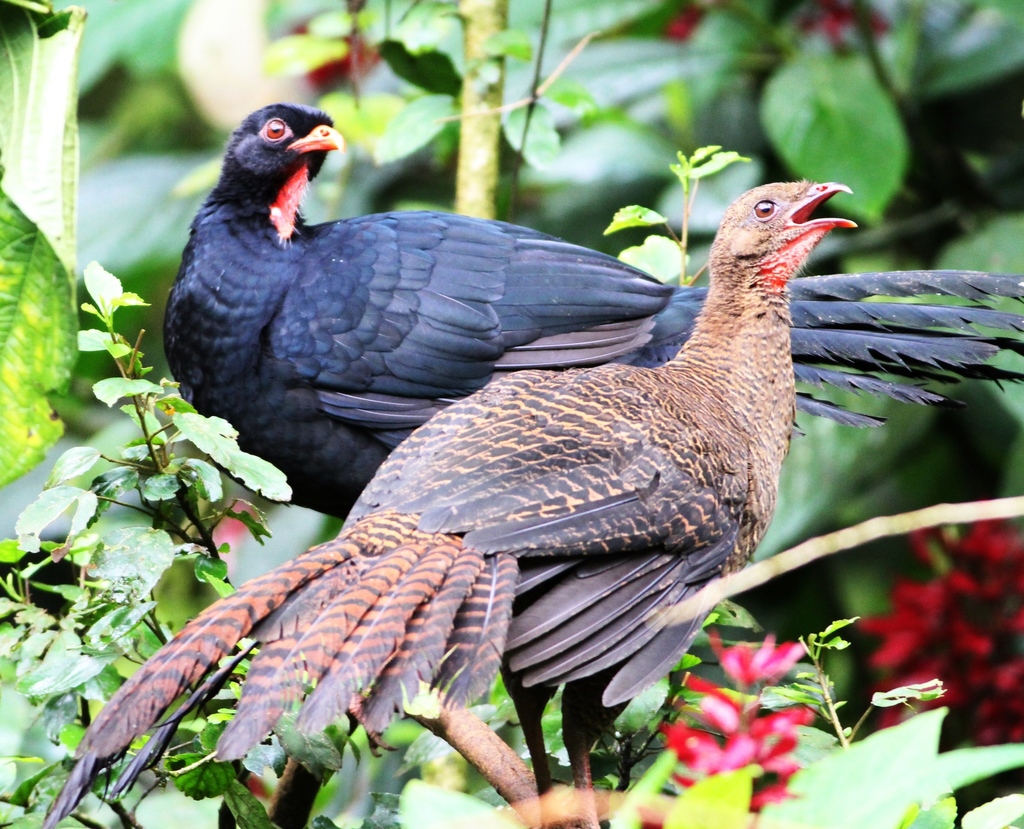
—observations
—countries
—peak records
VulnerableConservation statusIUCN Red List categoriesLCNTVUENCREWEXVulnerableRed List categories, explained →
Diet & preyWild figs, Laurel fruits, Insects
Predators
- Ornate Hawk-Eagle
- Margay
- Tayra
ThreatsCloud forest deforestation, habitat fragmentation, and hunting
HabitatsHumid montane cloud forests and pine-oak highlands (900–3,300 m)
Life span8–15 years in the wild
Classification
- FamilyCracidae
- SpeciesPenelopina nigra
Range data is not available yet.
Interaction riskLow
- Low
- Moderate
- High
- Very high
- Why interaction risk is low
- Safe to observe at a normal distance.
- What to notice
- Males are unmistakable with glossy black plumage and a bright red throat wattle and bill; females are barred rufous-brown and black.
- Support conservation
- Observe quietly from established trails with binoculars, keep group noise low, and never approach active nests or roosts.
Responsible observation
- Dawn Listening: Listen at first light for the male's far-carrying whistle and wing-drumming display flights.
- Canopy Scanning: Search fruiting laurel and fig trees quietly in the morning, when birds feed in pairs or small family groups.
- Respect Distance: Use binoculars and stay on trails to avoid flushing birds from nests or feeding trees.
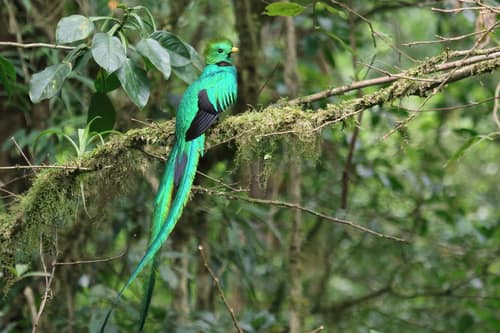
Frequent Companion (c) Cephas, some rights reserved (CC BY-SA) · cc-by-sa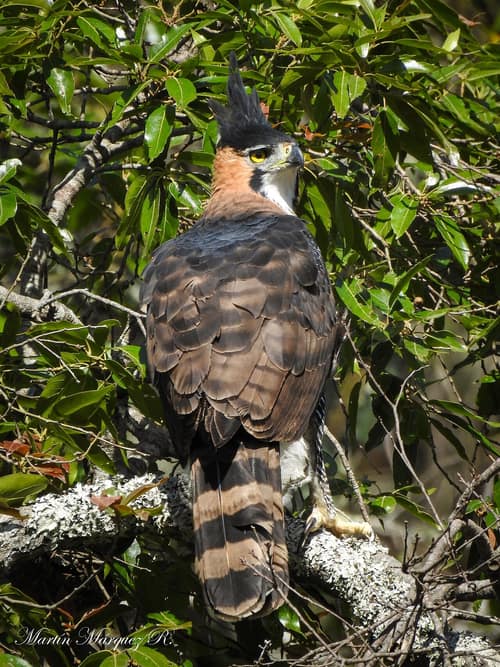
Predator Martín Márquez / CC BY 4.0 · cc-by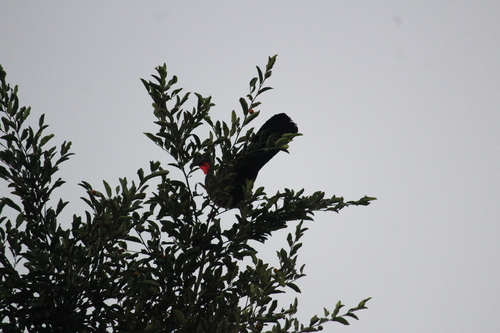
Same Family (c) Ricard Busquets Reverte, some rights reserved (CC BY) · cc-by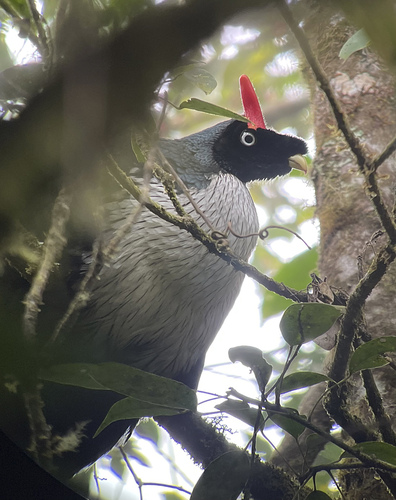
Same Family (c) Nancy Overholtz, some rights reserved (CC BY-SA) · cc-by-sa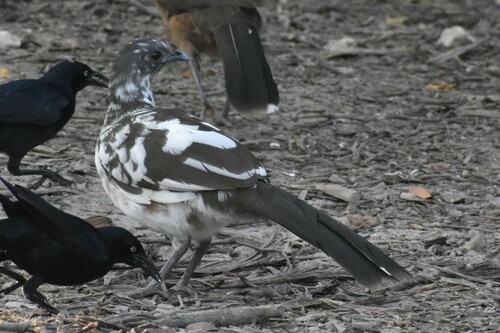
Same Family (c) Tia Offner, some rights reserved (CC BY), uploaded by Tia Offner · cc-by
Help improve the field guideSomething wrong?
Checking your Fauna account…Report a name, category, or profile issue for review.