
Bird · GBIF taxon 2482178
Blue-billed Curassow
Crax albertiAlso known as Blue-knobbed Curassow, Albert's Curassow
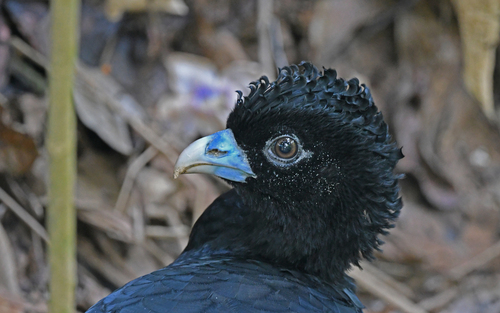
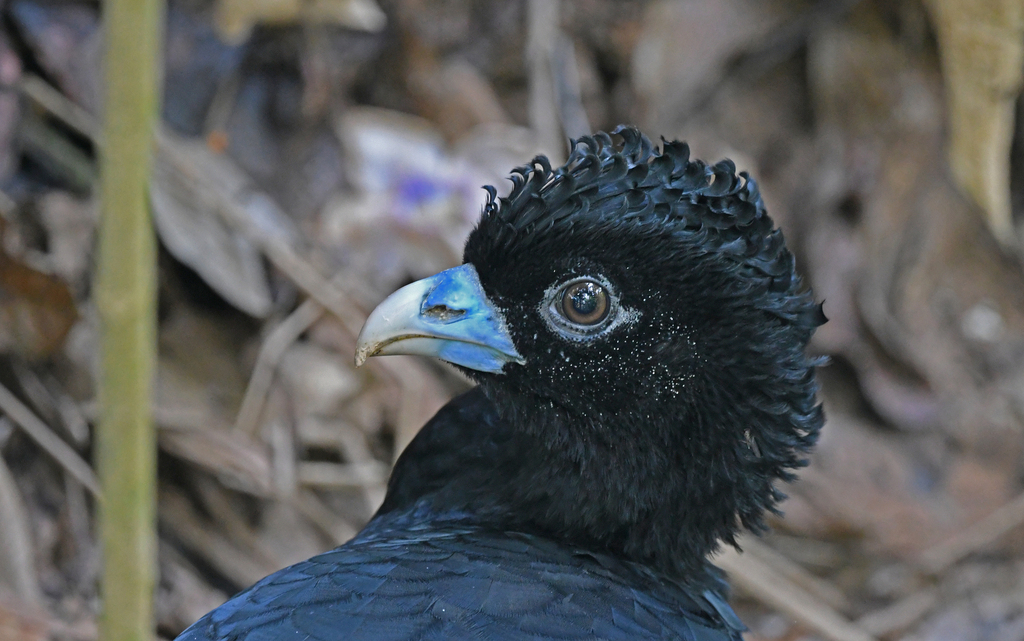
Male blue-billed curassows are unmistakable with their glossy black plumage, crisp white underparts, curly crest, and striking sky-blue cere with soft wattles at the base of the bill. Females feature fine white barring across their wings and chest with warm chestnut underparts. These secretive ground-dwelling birds forage slowly along the humid rainforest floor of northern Colombia, playing a crucial role as seed dispersers for native fruit trees.
EndemicGround-dwellingTropical
 1 / 2
1 / 2—observations
—countries
—peak records
Critically EndangeredConservation statusIUCN Red List categoriesLCNTVUENCREWEXCritically EndangeredRed List categories, explained →
Diet & prey
- Fallen tropical fruits
- Tree seeds
- Insects and worms
Predators
- Jaguar
- Ocelot
- Large raptors
ThreatsSevere habitat fragmentation from agriculture and illegal hunting
HabitatsLowland humid tropical forests and foothills
Life span15–20 years
Size / weightNot available
Classification
- FamilyCracidae
- SpeciesCrax alberti
Range data is not available yet.
Interaction riskLow
- Low
- Moderate
- High
- Very high
- Why interaction risk is low
- Safe to observe at a normal distance.
- What to notice
- Look for a large black bird with a prominent curly crest and bright blue bill base on males.
- Support conservation
- Keep a respectful distance, stay strictly on designated trail paths, and refrain from broadcasting lure calls.
Responsible observation
- Listen for Calls: Males produce a low, booming territorial call at dawn that resonates far through dense forest.
- Tread Quietly: Scan forest floors and dry stream beds slowly, as these skittish birds flush easily when surprised.
- Support Conservation: Visit protected reserves in Colombia where local ecotourism helps fund habitat preservation.
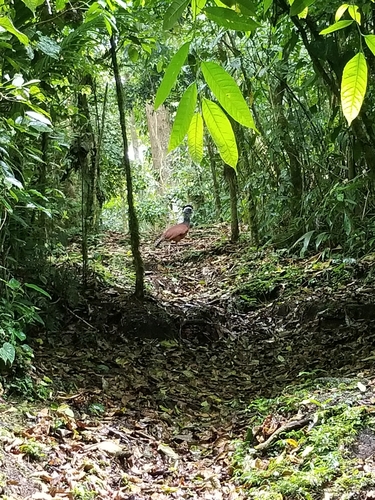
Close Relative no rights reserved · cc0 Image unavailable
Close Relative 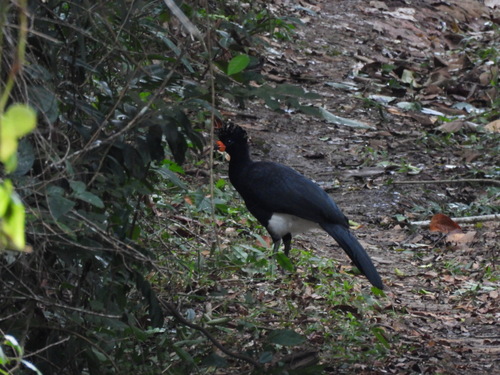
Close Relative (c) sheylarossi, some rights reserved (CC BY-SA) · cc-by-sa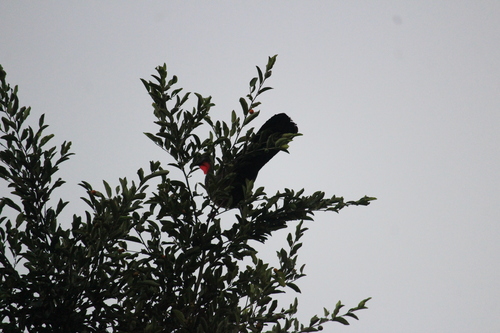
Family Member (c) Ricard Busquets Reverte, some rights reserved (CC BY) · cc-by
Help improve the field guideSomething wrong?
Checking your Fauna account…Report a name, category, or profile issue for review.