
Bird
Bush Stone-curlew
Burhinus grallariusAlso known as Bush Thick-knee, Southern Stone-curlew, Willaroo
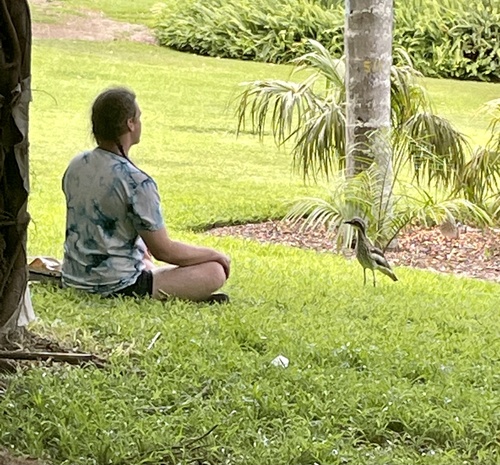
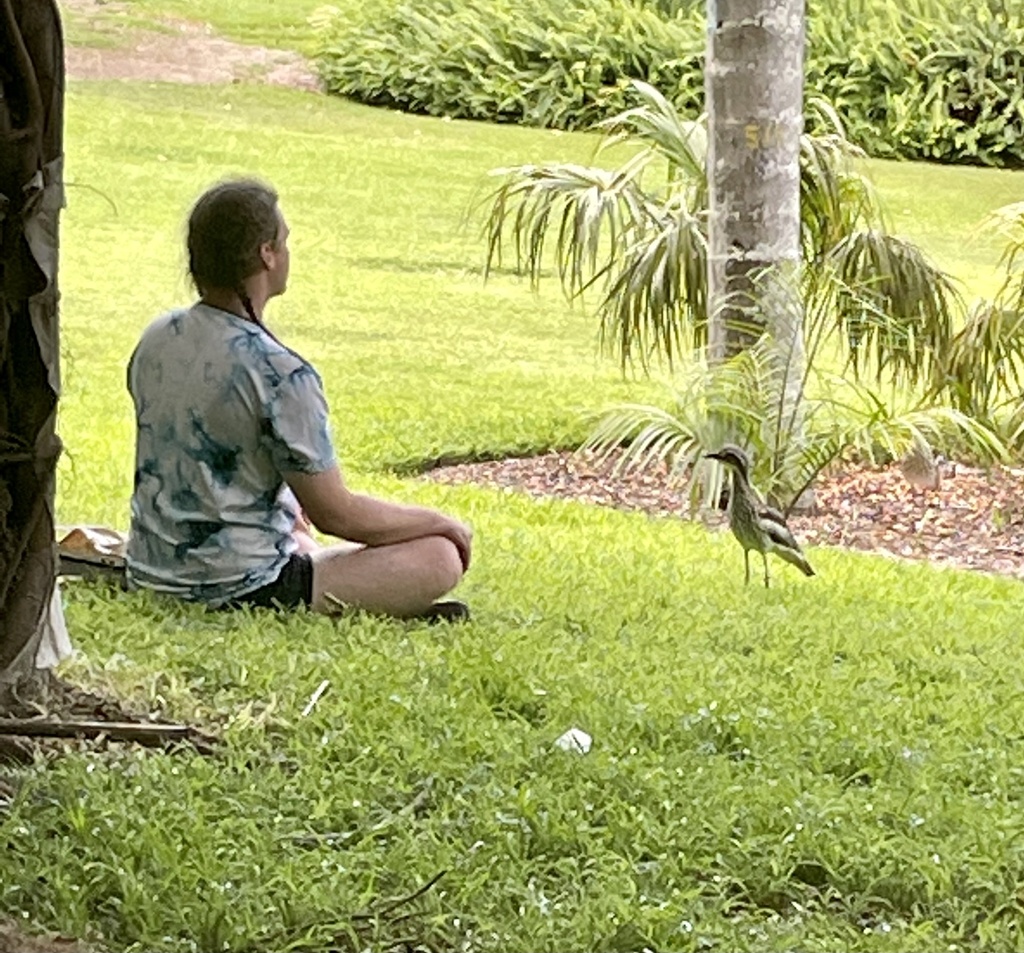
Bush stone-curlews are nocturnal ground-dwellers renowned for their piercing, ghostly wails that echo across the Australian bush after dark. By day, they rely on intricate mottled plumage to vanish against dry grass and leaf litter, often freezing into stiff, horizontal postures with necks outstretched when approached. Lifelong monogamous pairs defend sprawling home territories and fiercely protect their camouflaged ground scrapes against intruders.
NocturnalGround-dwellingAustralia
—observations
—countries
—peak records
Least ConcernConservation statusIUCN Red List categoriesLCNTVUENCREWEXLeast ConcernRed List categories, explained →
Diet & preyInsects, Spiders, Small Lizards
Predators
- Red Fox
- Feral Cat
- Dingo
ThreatsPredation by introduced red foxes and feral cats, habitat clearance, and vehicle collisions
HabitatsOpen woodlands, dry grasslands, coastal scrub, golf courses, and suburban parks
Life span15–20 years
Classification
- OrderCharadriiformes
- FamilyBurhinidae
- GenusBurhinus
- SpeciesBurhinus grallarius
Range data is not available yet.
Interaction riskLow
- Low
- Moderate
- High
- Very high
- Why interaction risk is low
- Safe to observe at a normal distance.
- What to notice
- Look for large yellow eyes, long greenish legs, and a rigid, elongated freezing posture amid fallen timber.
- Support conservation
- Keep domestic pets leashed in known territories and maintain at least 15 meters from active ground nests.
Responsible observation
- Maintain Space: If a bird freezes and stretches flat, step back to reduce stress.
- Watch the Ground: Carefully scan bare ground and leaf litter during spring nesting.
- Listen at Night: Distinctive mournful wailing calls reveal territories after dark.
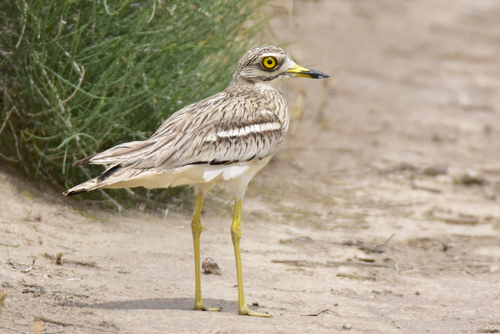
Same Genus (c) Kudaibergen Amirekul, some rights reserved (CC BY-SA), uploaded by Kudaibergen Amirekul · cc-by-sa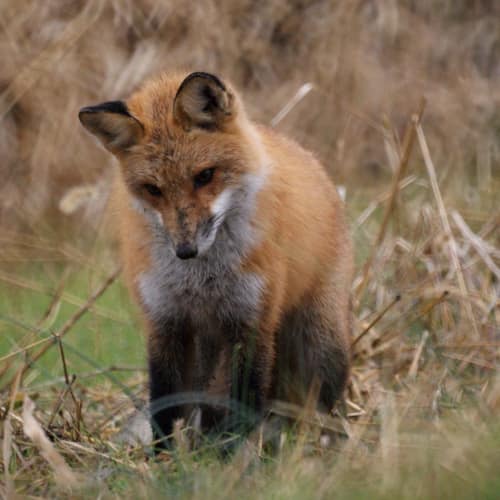
Predator "Red Fox" by Mike's Birds is licensed under CC BY-SA 2.0. To view a copy of this license, visit https://creativecommons.org/licenses/by-sa/2.0/. · cc-by-sa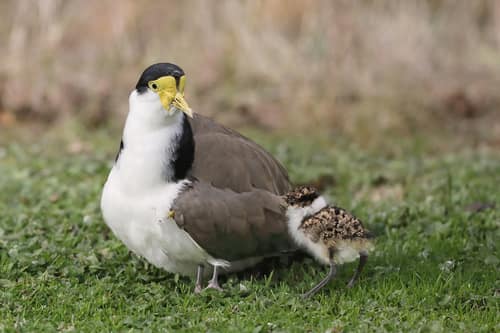
Frequent Companion (c) patrickkavanagh, some rights reserved (CC BY) · cc-by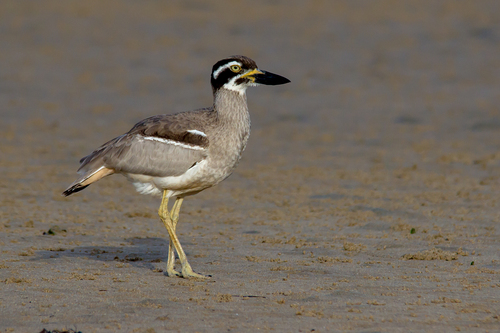
Close Relative (c) Andrew Allen, some rights reserved (CC BY), uploaded by Andrew Allen · cc-by
Help improve the field guideSomething wrong?
Checking your Fauna account…Report a name, category, or profile issue for review.