
Bird · GBIF taxon 2481958
Red-throated Diver
Gavia stellataAlso known as Red-throated Loon, Rain Goose
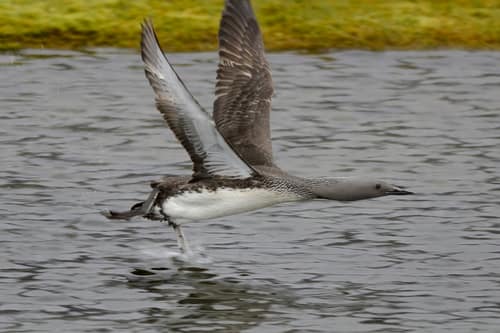
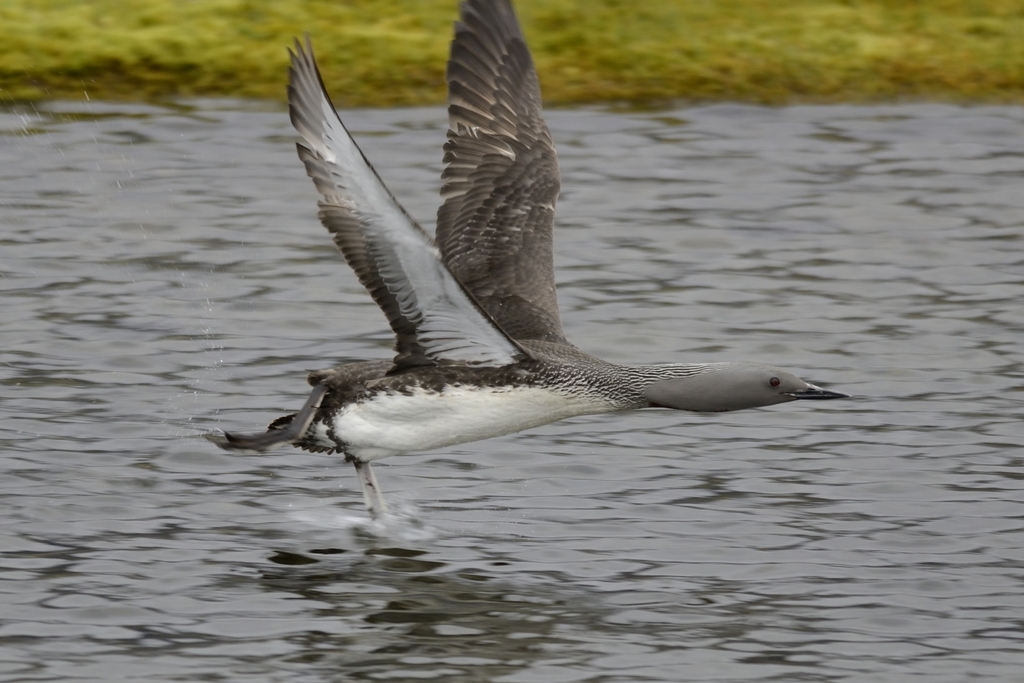
Red-throated Divers are the smallest and lightest of all loons, distinguished by their slender, slightly upturned bills and graceful diving motion. During breeding season, adults display a rich chestnut-red throat patch, fine dark neck striping, and a soft ash-grey head before molting into a subdued silvery-grey winter plumage. Uniquely among loons, they can take flight directly from land or small, shallow tundra ponds without needing a long running start across open water.
AquaticMigratoryArctic
—observations
—countries
—peak records
Least ConcernConservation statusIUCN Red List categoriesLCNTVUENCREWEXLeast ConcernRed List categories, explained →
Diet & prey
- Small fish
- Crustaceans
- Aquatic insects
Predators
- Arctic foxes
- White-tailed eagles
- Large gulls
ThreatsOil spills, fishing line entanglement, coastal development, disturbance at nest sites
HabitatsArctic tundra ponds, coastal seas, estuaries, bays
Life span10–20 years
Size / weightNot available
Classification
- FamilyGaviidae
- SpeciesGavia stellata
Range data is not available yet.
Interaction riskLow
- Low
- Moderate
- High
- Very high
- Why interaction risk is low
- Sharp bill can deliver a painful puncture if handled; maintain distance and avoid approaching nesting birds.
- What to notice
- Look for adults on shallow tundra pools or flying high overhead carrying small fish back to hidden shoreline nests.
- Support conservation
- Maintain a minimum distance of 100 meters from freshwater tundra pools during late spring and summer nesting months.
Responsible observation
- Binocular Viewing: Use a spotting scope or binoculars to watch birds offshore or on tundra pools without causing stress.
- Nesting Space: Keep a wide berth around tundra pond margins in summer, as parent birds easily abandon eggs when approached.
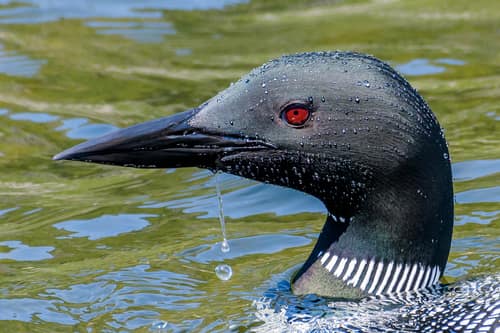
Close Relative (c) Andrew Hrycyna, some rights reserved (CC BY), uploaded by Andrew Hrycyna · cc-by
Close Relative (c) Vsevolod Rudyi, some rights reserved (CC BY) · cc-by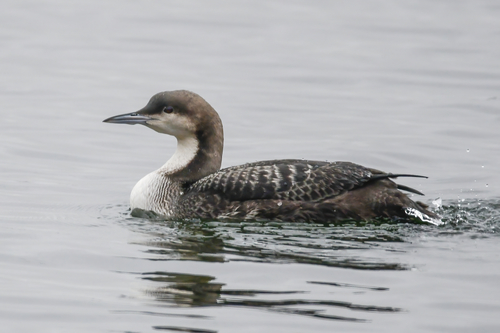
Close Relative (c) Frank Sengpiel, some rights reserved (CC BY), uploaded by Frank Sengpiel · cc-by
Help improve the field guideSomething wrong?
Checking your Fauna account…Report a name, category, or profile issue for review.