
Bird · GBIF taxon 2481957
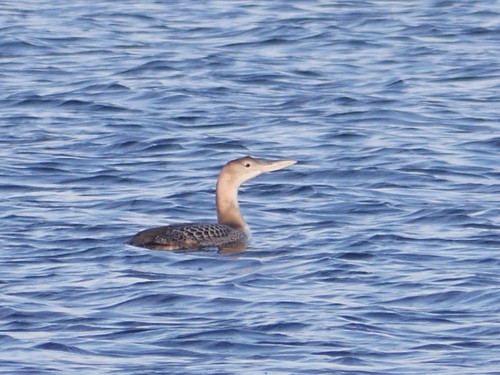
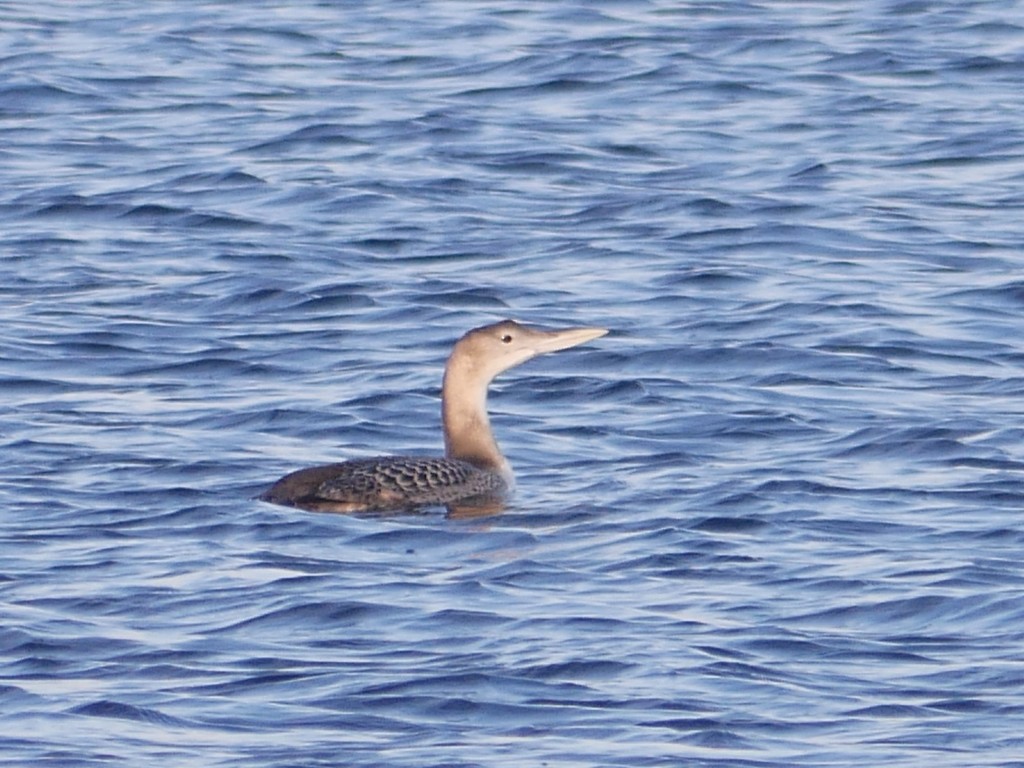
Yellow-billed Loon
Gavia adamsiiAlso known as White-billed Diver
Yellow-billed Loons navigate remote Arctic tundra lakes during summer breeding, giving voice to haunting wails and yodels that carry across open water. They are powerful foot-propelled divers, plunging deep to hunt fish before migrating south along coastal Pacific and Atlantic waterways for winter. Low reproductive rates and specialized breeding needs make them particularly susceptible to environmental changes across northern high latitudes.
AquaticMigratoryArctic
—observations
—countries
—peak records
Near ThreatenedConservation statusIUCN Red List categoriesLCNTVUENCREWEXNear ThreatenedRed List categories, explained →
Diet & prey
- Sculpins
- Cod
- Crustaceans
Predators
- Arctic Fox
- Glaucous Gull
- Common Raven
ThreatsOil spills, climate change, fishing net entanglement
HabitatsTundra lakes, coastal bays, marine inlets
Life span15–25 years
Size / weightNot available
Classification
- FamilyGaviidae
- SpeciesGavia adamsii
Range data is not available yet.
Interaction riskLow
- Low
- Moderate
- High
- Very high
- Why interaction risk is low
- Capable of delivering a sharp peck with its massive bill if cornered; keep a respectful distance.
- What to notice
- Recognized as the largest loon by its thick straw-yellow bill held at a slightly uptilted angle and bold checkered back in summer.
- Support conservation
- Observe from a distance using spotting scopes, avoiding approaches near Arctic nesting sites or wintering shorelines.
Responsible observation
- Binocular Distance: Scan sheltered coastal bays during winter to catch sight of these deep divers without disturbing them.
- Breeding Caution: Give nesting tundra lakes a wide berth, as disturbed parents may leave eggs vulnerable to cold and predators.
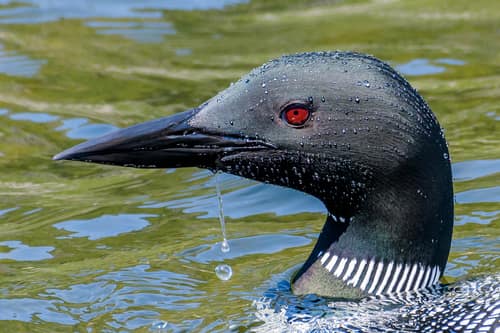
Close Relative (c) Andrew Hrycyna, some rights reserved (CC BY), uploaded by Andrew Hrycyna · cc-by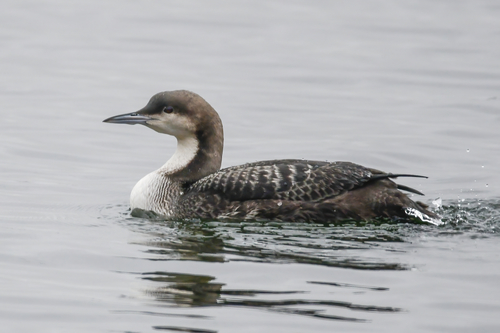
Close Relative (c) Frank Sengpiel, some rights reserved (CC BY), uploaded by Frank Sengpiel · cc-by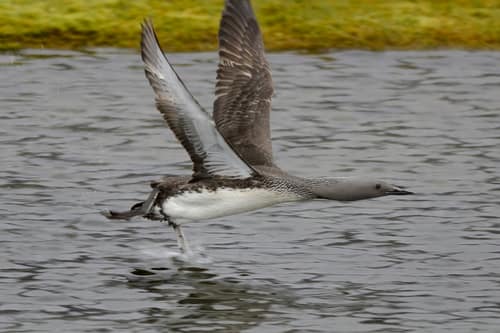
Close Relative (c) Noel Reynolds, some rights reserved (CC BY) · cc-by
Help improve the field guideSomething wrong?
Checking your Fauna account…Report a name, category, or profile issue for review.